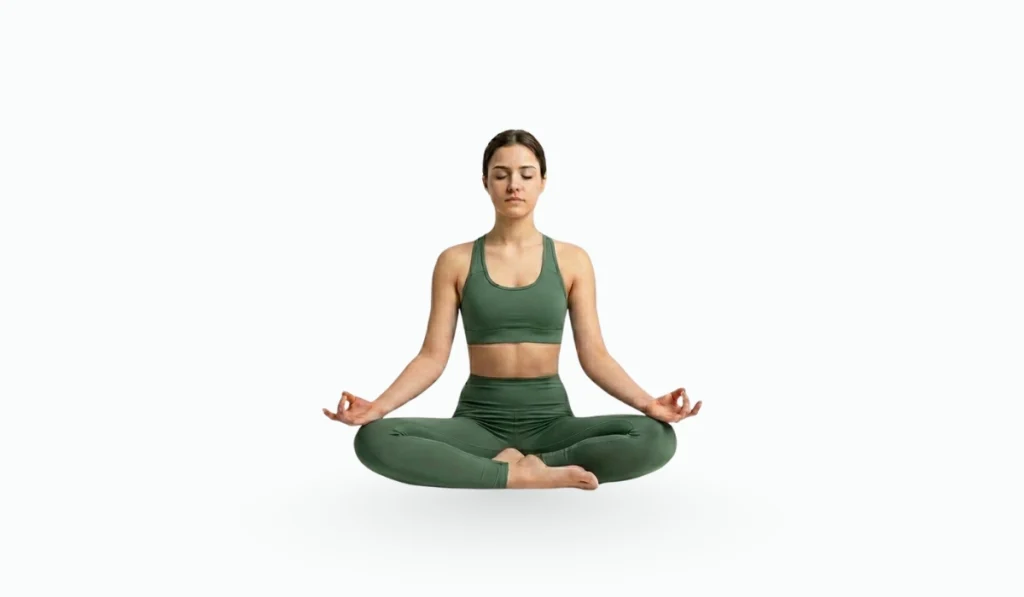
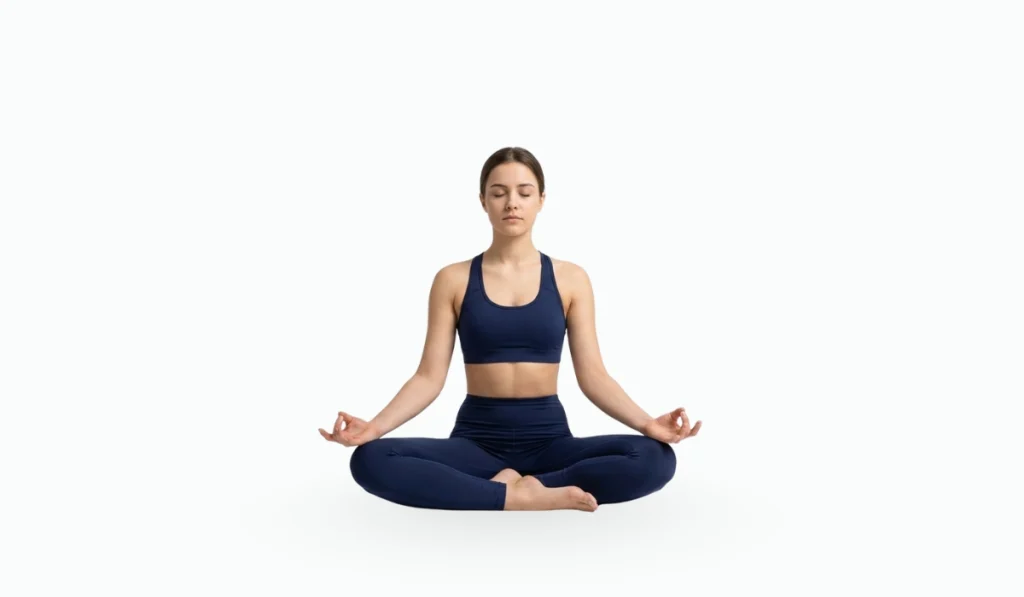
Yoga is a practice that supports balance, flexibility, and mental peace for everyone. It does not depend on whether a person is right-handed or left-handed. However, yoga for left handers may sometimes notice that many daily activities are designed for right-handed individuals.
Yoga can help left-handed people develop better coordination and body awareness. It encourages balance between the left and right sides of the body and mind.
With regular practice, yoga improves flexibility, strength, and focus. Left-handed individuals can practice yoga just like anyone else, while also learning ways to balance both sides of the body.
Understanding Left-Handedness
Left-handed people prefer using their left hand for activities such as writing, eating, or throwing. This is connected to how the brain works.
The human brain has two hemispheres:
- The left hemisphere controls the right side of the body.
- The right hemisphere controls the left side of the body.
Left-handed people often rely more on the right side of the brain, which is linked with creativity and imagination.
Why Yoga Is Helpful for Left-Handed People
Yoga focuses on balance and body awareness. It works both sides of the body equally.
For left-handed people, yoga can:
- Improve coordination between both sides of the body
- Increase strength and flexibility
- Reduce stress
- Improve posture
- Support mental focus
Yoga helps create harmony between body and mind.
Challenges Left-Handed People May Notice
Most yoga instructions begin from the right side. This can sometimes feel unusual for left-handed practitioners.
Common challenges may include:
- Difficulty following right-side instructions
- Feeling more comfortable starting with the left side
- Slight imbalance between sides
However, these challenges are small and easy to manage.
Tips for Left-Handed People Practicing Yoga
1. Start with Your Comfortable Side
If a pose feels easier on the left side, you can begin with that side first. Then repeat on the other side.
2. Practice Both Sides Equally
Yoga encourages balance. Even if one side feels stronger, practice both sides evenly.
3. Focus on Body Awareness
Pay attention to how each side of the body feels during poses.
4. Move Slowly
Slow movement helps improve coordination and control.
5. Follow Your Natural Rhythm
Yoga is personal. Adjust the practice in a way that feels natural for you.
Yoga Poses That Help Balance Both Sides
Certain yoga poses naturally improve balance between the left and right sides.
1. Mountain Pose (Tadasana)
This pose improves posture and body alignment.
Benefits:
- Improves balance
- Strengthens legs
- Creates body awareness
2. Tree Pose (Vrikshasana)
This balancing pose strengthens the legs and improves concentration.
Benefits:
- Improves stability
- Develops focus
- Strengthens ankles and legs
Practice on both sides for equal balance.
3. Warrior II (Virabhadrasana II)
This strong pose builds strength and flexibility.
Benefits:
- Strengthens legs and arms
- Improves balance
- Opens the chest
4. Downward Dog (Adho Mukha Svanasana)
This pose stretches the whole body.
Benefits:
- Improves flexibility
- Strengthens shoulders
- Increases blood flow to the brain
5. Seated Twist (Ardha Matsyendrasana)
Twisting poses improve spinal flexibility and balance both sides of the body.
Benefits:
- Improves digestion
- Increases spine mobility
- Relieves back tension
Breathing Practices for Balance
Breathing exercises help create balance between the brain hemispheres.
Alternate Nostril Breathing
This breathing technique is often used in yoga.
Steps:
- Sit comfortably.
- Close the right nostril with your thumb.
- Inhale through the left nostril.
- Close the left nostril and exhale through the right.
- Repeat slowly.
Benefits:
- Calms the mind
- Improves focus
- Balances brain activity
Mental Benefits of Yoga for Left-Handed People
Yoga supports mental clarity and emotional balance.
Regular practice may help:
- Improve concentration
- Reduce anxiety
- Increase creativity
- Support emotional stability
Since many left-handed people are naturally creative, yoga can strengthen this quality.
Yoga and Brain Balance
Yoga movements and breathing exercises activate both sides of the brain. This improves communication between the brain hemispheres.
Balanced brain activity can lead to:
- Better decision making
- Improved learning ability
- Stronger memory
This is helpful for students and professionals.
Common Mistakes to Avoid
When practicing yoga, left-handed people should avoid:
- Ignoring the weaker side
- Rushing through poses
- Comparing themselves with others
- Practicing without focus
Yoga is about progress, not perfection.
Tips for Better Yoga Practice
- Practice in a calm environment
- Use a comfortable yoga mat
- Maintain steady breathing
- Practice regularly
Even 10–15 minutes daily can bring benefits.
Is Yoga Different for Left-Handed People?
In reality, yoga is the same for everyone. The poses and breathing techniques work equally for both left-handed and right-handed people.
The only difference is personal comfort and natural preference.
With practice, the body becomes balanced regardless of dominant hand.
Conclusion
Yoga is a powerful practice that benefits people of all backgrounds, including left-handed individuals. It improves strength, flexibility, and mental focus while balancing both sides of the body and brain. Left-handed people can practice yoga just like anyone else, while paying attention to their natural comfort and body awareness.
With regular and mindful practice, yoga helps create harmony between the left and right sides of the body. Over time, it builds balance, confidence, and inner peace. Consistency and patience are the keys to enjoying the full benefits of yoga.
Sources:
Laura. (2017, August 11). Yoga for lefties: Are lefties left out in yoga? – Yoga Blog | Laura Green Yoga. Yoga Blog | Laura Green Yoga.
Yoga, L. H. (n.d.). Left handed yoga. Left Handed Yoga.