
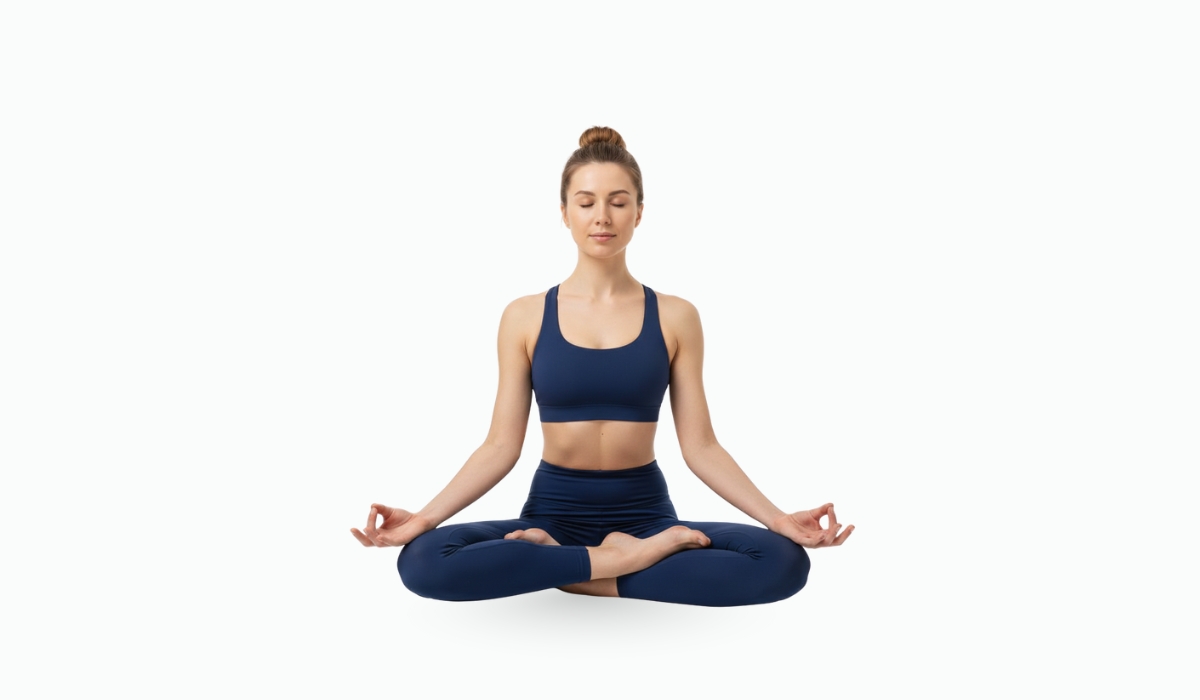
Vairagya is an important concept in Yoga, meaning “non-attachment” or “freedom from desires.” It does not mean leaving life, family, or work. Instead, it means staying calm inside, even when life changes.
Vairagya teaches us how to reduce unnecessary desires, avoid emotional ups and downs, and keep the mind peaceful. When paired with practice (abhyasa), Vairagya becomes a powerful tool for personal growth.
In this article, you will learn what Vairagya is, why it matters, and how it can be applied in daily life in a simple and clear way.
What Is Vairagya?

Vairagya means letting go of attachment to temporary things. In Yoga, everything that changes — emotions, objects, results, situations, and even success — is seen as temporary.
When we become attached to these things, we suffer. Vairagya teaches us to enjoy life but not depend on anything for happiness.
In simple words:
“Vairagya is staying free inside while living fully outside.”
Why Vairagya Is Important
Attachment causes:
- Stress
- Fear
- Anger
- Jealousy
- Anxiety
- Disappointment
When we expect too much from people or situations, we get hurt. Vairagya helps remove these emotional traps.
Benefits include:
- Inner peace
- Better focus
- Clear thinking
- Strong emotional control
- Balanced reactions
In Yoga, Vairagya is necessary for reaching mental clarity.
Vairagya in Yoga Philosophy
The Yoga Sutras of Patanjali describe two main tools for controlling the mind:
- Abhyasa: Consistent practice
- Vairagya: Letting go of attachment
Abhyasa trains the mind. Vairagya frees the mind.
Together, they create balance.
Without Vairagya, the mind becomes trapped in desire.
Without practice, Vairagya becomes weak.
This is why both must go together.
Types of Vairagya
Yoga texts explain Vairagya in different stages. Here are the main types explained simply:
1. Temporary Vairagya
This happens when someone gives up something only for a short time.
Example:
- After a heartbreak, a person avoids relationships for a while.
- After getting sick, someone avoids junk food for a few days.
This Vairagya does not last long because it is driven by emotion, not understanding.
2. Mature Vairagya
This comes from understanding that everything changes. The person slowly becomes free from heavy emotions like greed, jealousy, or fear.
This type of Vairagya is steady and long-lasting.
3. Supreme Vairagya
This is the highest level and very rare. Here, a person becomes completely free from all desires and attachments.
Yogis and enlightened beings may reach this state. For daily life, the second type (mature Vairagya) is most practical.
How Vairagya Works in Daily Life
Vairagya does NOT mean giving up responsibilities or living like a monk.
It means:
- You work hard but do not fear failure.
- You love people but do not control them.
- You enjoy things but are not addicted to them.
- You face problems but do not panic.
Here are everyday examples:
1. At Work
If a project fails, you feel disappointed but move forward calmly.
2. In Relationships
You care for people but do not depend on them for your happiness.
3. With Money
You earn and spend wisely but do not get stressed about material things.
4. With Emotions
You experience emotions but do not let them control your actions.
5. With Success
You enjoy achievements but stay humble.
In each case, Vairagya keeps the mind balanced.
Vairagya and Mental Health
Vairagya can help reduce:
- Anxiety
- Overthinking
- Fear of loss
- Jealousy
- Emotional burnout
People who practice Vairagya:
- React less
- Stay calm during problems
- Handle pressure better
- Think clearly
- Sleep better
It gives emotional strength by removing unnecessary mental weight.
How to Practice Vairagya
Here are simple methods anyone can follow:
1. Self-Observation
Watch your thoughts. Notice where attachments are coming from — fear, ego, or desire.
2. Reduce Expectations
Most emotional pain comes from expecting too much. Lower expectations = more peace.
3. Practice Gratitude
A grateful mind desires less. It becomes naturally content.
4. Meditation
Meditation helps break the link between thoughts and emotions. It calms the mind and creates space for Vairagya.
5. Breathwork (Pranayama)
Deep breathing reduces emotional pressure and increases inner balance.
6. Accept Change
Everything in life changes — people, jobs, emotions, health. Accepting this reduces fear and attachment.
7. Focus on Actions, Not Results
Do your best, but stay relaxed about the outcome. This is one of the strongest forms of Vairagya.
8. Letting Go Practices
Write down what stresses you and release it mentally. Let go of grudges, regrets, and past mistakes.
Signs That You Are Developing Vairagya
- You remain calm in stressful moments
- You forgive easily
- You expect less and appreciate more
- You react less emotionally
- You stay focused
- You prefer simplicity
- You stop comparing yourself to others
- You feel lighter inside
- You make decisions without fear
These are signs that attachment is losing its power.
Misunderstanding About Vairagya
Many people misunderstand Vairagya. Here is what it is NOT:
- It is not running away from life
- It is not suppressing emotions
- It is not avoiding relationships
- It is not becoming cold or careless
- It is not lack of ambition
True Vairagya means living life fully but without inner dependence.
Vairagya and Spiritual Growth
In spiritual paths, Vairagya is essential because:
- It frees the mind from distractions
- It reduces emotional reactions
- It creates mental clarity
- It opens the way to meditation
- It helps a person connect with their true Self
A mind filled with desire cannot stay peaceful. A mind with Vairagya becomes light, silent, and ready for deeper awareness.
Conclusion
Vairagya is the path of living with freedom, balance, and clarity. It teaches you to enjoy life without becoming controlled by desires or fears. Through simple practices like mindfulness, meditation, breathwork, and reducing expectations, anyone can develop Vairagya.
It helps improve mental health, strengthen emotional stability, and bring lasting peace. Vairagya is not about leaving life but about living it with wisdom and lightness. By applying this principle daily, a person can grow mentally, emotionally, and spiritually.
Sources:
Wikipedia contributors. (2025, November 18). Vairagya. Wikipedia.
www.wisdomlib.org. (2025, May 8). Vairagya, Vairāgya: 26 definitions.
Hridaya Yoga. (2024, April 28). Abhyasa & Vairagya—The Essential Aspects of Spiritual Life.
the yoga institute. (2022, July 4). Vairagya explained: Non-Attachment without escaping the world. The Yoga Institute.


