Yoga is an ancient practice that has evolved over thousands of years. After the time of Classical Yoga, where Patanjali created the Eight Limbs of Yoga, came the period known as Post-Classical Yoga.
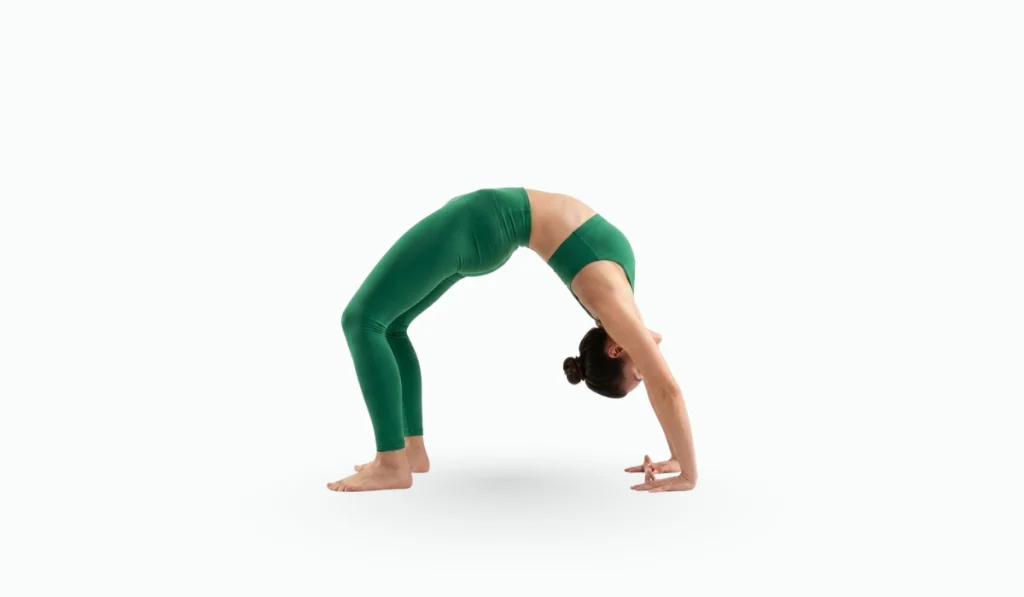
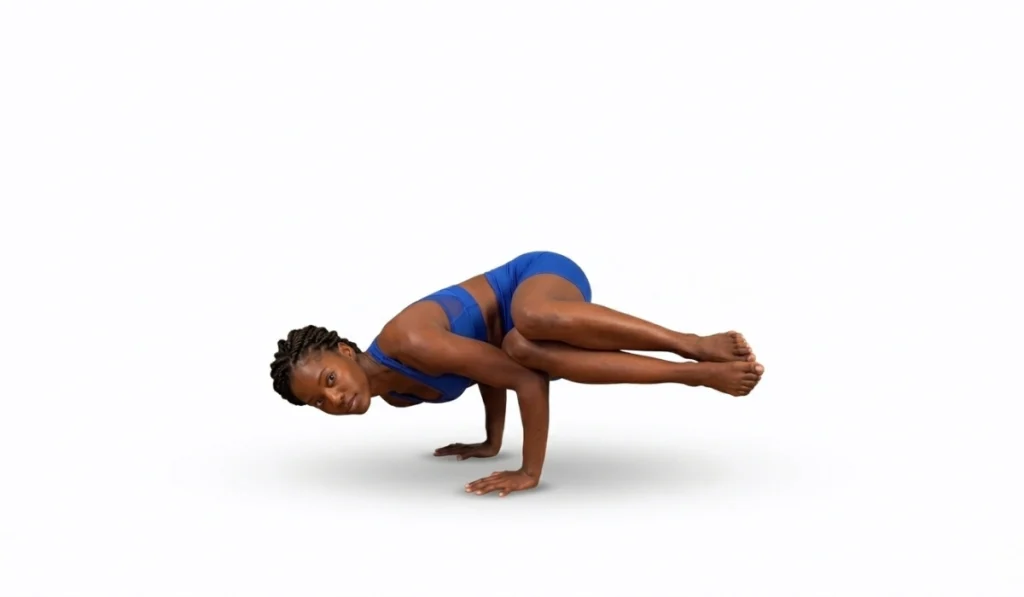
This stage was very important because it brought new ideas and practices. Instead of only focusing on the mind and meditation, Post-Classical Yoga introduced methods that also worked with the body. These teachings gave rise to many of the physical postures (asanas) we see in modern yoga today.
Content Navigator
ToggleIn this article, we will explore what Post-Classical Yoga is, how it developed, its main teachings, and why it continues to shape the yoga we practice now.
What is Post-Classical Yoga?
Post-Classical Yoga refers to the period that came after Patanjali’s Yoga Sutras (around 500 CE to 1700 CE).
During this time, yogis began to shift focus:
- They wanted not only liberation (moksha) but also to improve health, vitality, and longevity.
- They developed new systems of yoga that included physical postures, breathing practices, and energy work.
- They emphasized the idea that the body is not a barrier but a tool for spiritual growth.
This marked the beginning of yoga as a mind-body discipline.
The Philosophy Behind Post-Classical Yoga
Earlier stages of yoga (Pre-Classical and Classical) taught that the body and material world were distractions from the true self. But Post-Classical Yoga changed this view.
It introduced the idea that:
- The body is sacred and should be cared for.
- Health and energy are important for spiritual progress.
- By using the body wisely, one can prepare for higher states of consciousness.
This philosophy gave birth to Hatha Yoga and many other practical systems.
Key Contributions of Post-Classical Yoga
1. Rise of Hatha Yoga
One of the greatest contributions of this period was the development of Hatha Yoga (around the 10th–11th century CE).
Hatha Yoga focused on:
- Asanas (postures): To strengthen the body and improve flexibility.
- Pranayama (breath control): To channel life energy (prana).
- Bandhas and Mudras (energy locks and gestures): To direct energy flow.
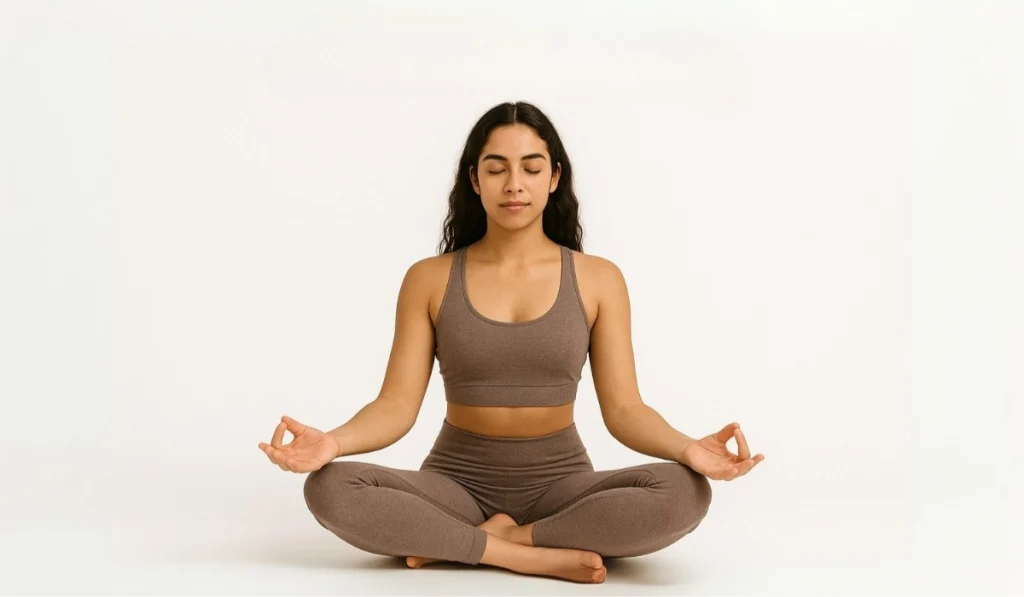
- Meditation: To reach higher awareness through physical and mental balance.
Hatha Yoga became the bridge between ancient yoga and modern yoga.
2. Tantric Influence
Tantra also influenced Post-Classical Yoga. It taught that spiritual growth could be achieved by working with the body, senses, and energy. This led to:
- Use of mantras (sacred sounds)
- Rituals and meditations on chakras (energy centers)
- Kundalini practices to awaken spiritual energy
This was a big shift from earlier yoga, which was mostly about renunciation and detachment.
3. Focus on Longevity and Health
Post-Classical yogis developed practices not only for liberation but also for:
- Strengthening the immune system
- Increasing lifespan
- Maintaining youthful energy
Texts from this period, such as the Hatha Yoga Pradipika, describe yoga as a science of both health and spirituality.
4. Chakra System
The chakra system became more refined during this stage. Yogis believed that the human body contains seven main energy centers that can be activated through yoga and meditation. Balancing these chakras was seen as the key to both health and spiritual awakening.
Important Texts of Post-Classical Yoga
Several texts shaped yoga during this period, including:
- Hatha Yoga Pradipika (15th century): A key text on Hatha Yoga that describes asanas, pranayama, bandhas, and meditation.
- Gheranda Samhita (17th century): A detailed guide with seven stages of yoga practice.
- Shiva Samhita (14th–15th century): Explains philosophy, chakras, and yogic techniques.
These works helped spread practical yoga that combined body, breath, and spirit.
Main Practices in Post-Classical Yoga
Post-Classical Yoga introduced practices that are still widely used today:
- Asanas (Postures): Physical exercises for strength, flexibility, and energy flow.
- Pranayama (Breathwork): Breathing techniques to control life force and calm the mind.
- Mudras and Bandhas: Hand gestures and body locks to channel energy.
- Meditation: Deep mental focus to achieve inner peace.
- Kundalini Practices: Awakening spiritual energy lying dormant at the base of the spine.
- Chakra Balancing: Using meditation and visualization to harmonize energy centers.
Difference Between Classical and Post-Classical Yoga
| Aspect | Classical Yoga | Post-Classical Yoga |
| Time Period | 200 BCE onward | 500 CE–1700 CE |
| Key Figure | Patanjali | Various Hatha yogis |
| Focus | Mind control, liberation | Health, body, energy, liberation |
| Practices | Meditation, ethics, breath | Physical postures, chakras, energy work |
| View of Body | A distraction from spirit | A tool for spiritual growth |
Benefits of Post-Classical Yoga Today
The practices that came from Post-Classical Yoga remain popular because they provide benefits for both body and mind.
- Physical Health: Asanas improve strength, flexibility, and posture.
- Energy Boost: Pranayama and mudras increase vitality.
- Stress Relief: Meditation and breathwork calm the nervous system.
- Balance: Chakra practices bring harmony to emotions and thoughts.
- Spiritual Awakening: Kundalini practices guide deeper inner growth.
Why Post-Classical Yoga Matters
This period made yoga more accessible to ordinary people. Before, yoga was often seen as something for monks and sages. But with the rise of Hatha Yoga and practical techniques, everyday people could benefit from it.
It also shaped the modern yoga movement. Without Post-Classical Yoga, the physical postures that fill yoga classes today would not exist.
Conclusion
Post-Classical Yoga was a turning point in the history of yoga. It transformed yoga from a path focused mainly on meditation into a practice that used the body, breath, and energy as tools for spiritual growth.
The development of Hatha Yoga, pranayama, and chakra systems during this period opened the door to the styles of yoga we know today.
By studying and practicing the wisdom of Post-Classical Yoga, we can enjoy not only better health and peace of mind but also a deeper connection to our inner self.
Post-Classical Yoga reminds us that yoga is a complete way of life, balancing the physical, mental, and spiritual for true transformation.
Sources:
Medindia. (2023, June 20). Yoga History – Postclassical yoga.
indianyogaassociation.com. (2015, September 25). The Four periods of The History of Yoga. Yoga Teacher Training in Rishikesh.
Post classical period. (n.d.). Yoga.