Our stomach is the center of health. When the digestive system is weak, it affects energy, focus, and overall well-being.
Ancient yogis understood this and created special cleansing techniques, called Shatkarma, to purify the body.
One of the most powerful of these techniques is Nauli. It is known as an abdominal massage or churning of the stomach muscles.
Nauli is not just an exercise for the abs—it is a complete yogic practice that improves digestion, strengthens the core, and balances energy.
What is Nauli?
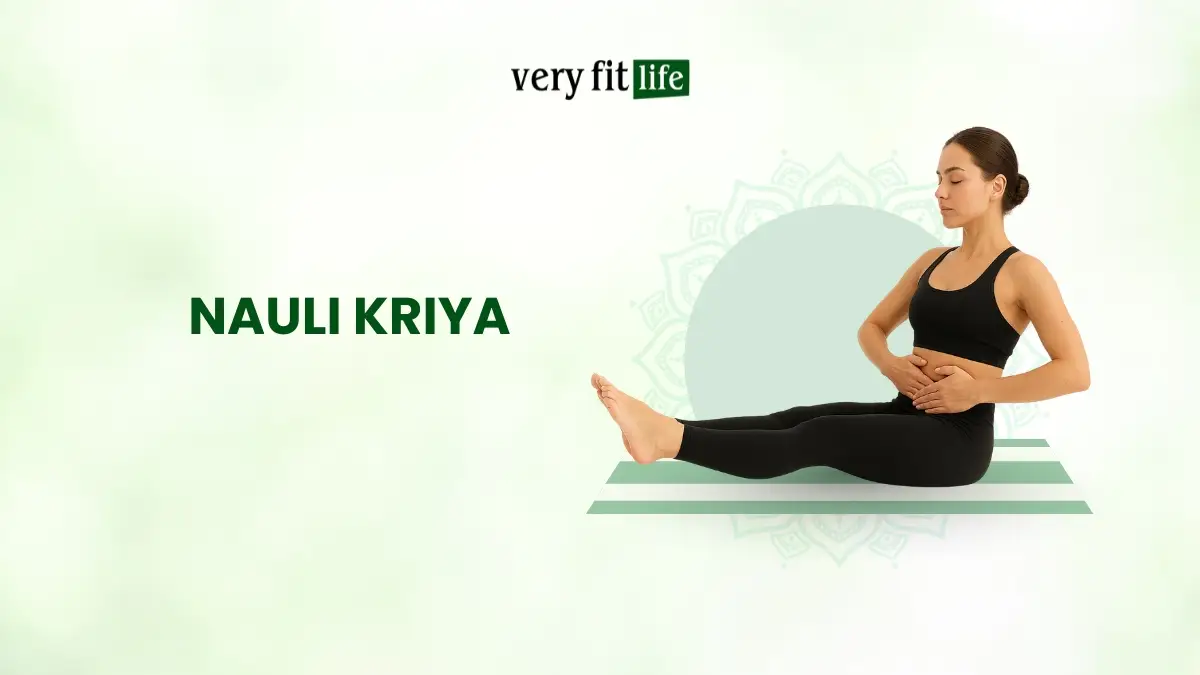
The word Nauli comes from the Sanskrit root “Nala,” which means “tube” or “nerve of the abdomen.” In practice, it refers to the rolling and churning movement of the abdominal muscles.
Nauli is part of the Shatkarma (six cleansing techniques) in Hatha Yoga. It is often practiced after Dhauti (digestive cleansing) and before pranayama (breathing exercises).
This practice is considered advanced and requires patience, but once learned, it brings deep physical and mental benefits.
Types of Nauli
There are four main types of Nauli, each with a unique movement:
- Madhyama Nauli (Central Nauli)
- The rectus abdominis muscles are contracted in the middle, creating a central bulge.
- Vama Nauli (Left Nauli)
- The abdominal muscles are isolated and moved to the left side.
- Dakshina Nauli (Right Nauli)
- The abdominal muscles are isolated and moved to the right side.
- Nauli Chalan (Churning Motion)
- Continuous rolling of the abdominal muscles from left to right or right to left.
- Continuous rolling of the abdominal muscles from left to right or right to left.
How to Practice Nauli (Step by Step)
Preparation
- Practice on an empty stomach (preferably in the morning).
- Stand with feet shoulder-width apart.
- Bend your knees slightly and place your hands on your thighs.
Steps:
- Uddiyana Bandha (Abdominal Lock)
- Exhale completely, pulling the stomach in and up under the ribcage.
- Hold your breath with empty lungs.
- Madhyama Nauli
- Push the center abdominal muscles forward while keeping the sides contracted.
- Vama and Dakshina Nauli
- Shift the contraction to the left side for Vama Nauli.
- Shift to the right side for Dakshina Nauli.
- Nauli Chalan (Churning)
- Rotate the abdominal muscles in a circular motion, either clockwise or counterclockwise.
- Release
- Inhale slowly, relax the muscles, and return to a normal standing position.
- Inhale slowly, relax the muscles, and return to a normal standing position.
Here’s a video that explains this yoga pose in more detail.
Benefits of Nauli
1. Physical Benefits
- Strengthens and tones abdominal muscles
- Improves digestion and absorption of nutrients
- Prevents constipation and bloating
- Stimulates the intestines and abdominal organs
- Supports liver, pancreas, and kidney function
- Strengthens the diaphragm and breathing muscles
2. Mental Benefits
- Improves focus and concentration
- Increases self-control through breath regulation
- Reduces stress by massaging the nervous system
- Creates a sense of inner strength and confidence
3. Energetic Benefits
In yoga, Nauli balances the Manipura Chakra (solar plexus energy center). This chakra is linked to willpower, energy, and transformation. By stimulating this area, Nauli awakens inner fire (Agni) and enhances vitality.
Science Behind Nauli
Modern science supports the effects of abdominal massage:
- It improves blood circulation in the stomach area.
- Activates the parasympathetic nervous system, which promotes relaxation.
- Helps regulate hormones by stimulating digestive glands.
- Encourages bowel movement, reducing constipation naturally.
Thus, Nauli is both a yogic and scientific technique for better digestion and stress relief.
When to Practice Nauli
- Morning: Best time, on an empty stomach.
- Before Yoga or Meditation: Prepares body and mind.
- Digestive Issues: Useful for people suffering from slow digestion or bloating.
Frequency:
- Beginners: 3–5 rounds daily
- Advanced: 10–15 rounds
Safety Tips and Precautions
- Learn from a qualified yoga teacher before practicing alone.
- Avoid it if you have high blood pressure, heart disease, ulcers, or hernia.
- Pregnant women should not practice Nauli.
- Always practice on an empty stomach.
- Start slowly—do not force the abdominal muscles.
Nauli in Daily Life
Nauli is not only for yogis. Anyone can benefit from it as a natural way to improve digestion and strengthen the core. Modern lifestyles often cause stomach problems due to processed food, stress, and lack of movement. Nauli works as a natural remedy to restore balance.
For office workers, students, or people with weak digestion, just a few minutes of Nauli daily can bring lasting health benefits.
Comparison: Nauli vs. Regular Abdominal Exercises
| Aspect | Nauli | Sit-ups/Crunches |
| Purpose | Cleansing + strengthening | Strengthening only |
| Organs Affected | Digestive organs + muscles | Muscles only |
| Energy Effect | Stimulates Manipura Chakra | No direct energy effect |
| Breath Control | Involves breath retention | Normal breathing |
| Spiritual Role | Part of Hatha Yoga | Purely physical |
This shows why Nauli is unique—it combines physical, digestive, and energetic benefits.
Conclusion
Nauli is one of the most powerful yogic cleansing practices. By rolling and churning the abdominal muscles, it massages the digestive system, strengthens the core, and awakens inner energy.
It is more than just an exercise—it is a complete practice for physical health, mental clarity, and spiritual growth.
Though challenging at first, with regular practice Nauli becomes natural and deeply rewarding. For those who want a stronger digestive system, more energy, and a calmer mind, Nauli is truly life-changing.
Clear stomach, clear mind, clear energy—that is the magic of Nauli.
Sources:
Admin. (2025, July 11). What Is Nauli Kriya? Steps & Health Benefits. HariOm Yoga.