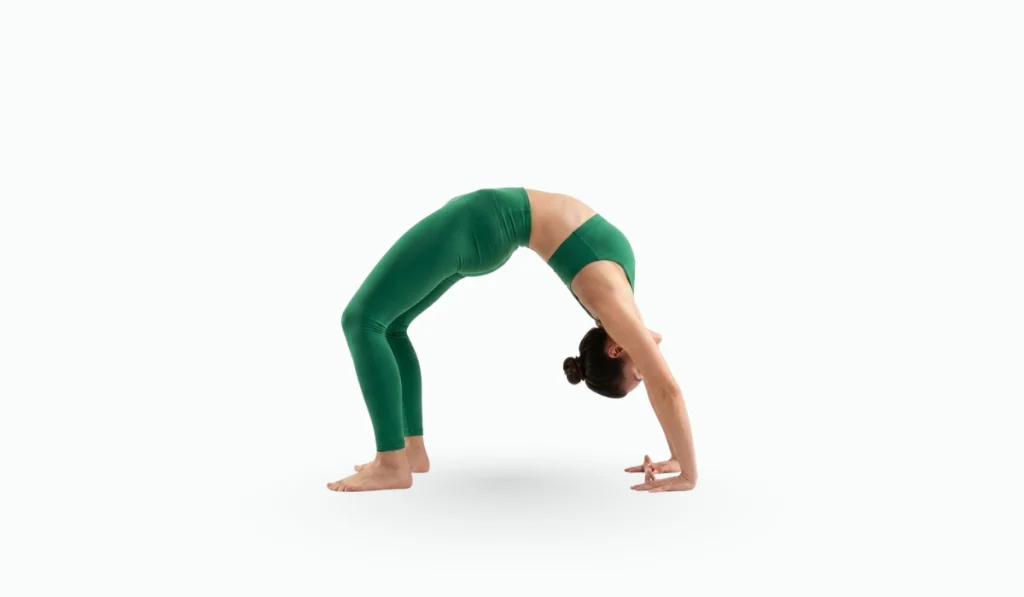
Yoga is more than just physical exercise; it’s a complete system that connects the body, mind, and spirit. One of the most powerful ways yoga helps us is through its effect on the nervous system.
The nervous system controls everything we do thinking, breathing, moving, and even our emotions. When this system is stressed or unbalanced, we experience anxiety, fatigue, and even illness. But yoga helps restore balance, calmness, and clarity by directly influencing how the nervous system works.
Let’s explore how yoga affects the brain, nerves, and body to create peace and balance from within.
Understanding the Nervous System

To see how yoga helps, we first need to understand what the nervous system does.
The nervous system has two main parts:
- Central Nervous System (CNS) – Made up of the brain and spinal cord. It controls thoughts, emotions, and body movements.
- Peripheral Nervous System (PNS) – Includes nerves throughout the body that send signals between the brain and muscles or organs.
Within the peripheral system, there’s a special branch called the autonomic nervous system (ANS). This system controls automatic body functions like heart rate, breathing, and digestion.
The ANS has two main parts:
- Sympathetic Nervous System (SNS): Known as the “fight or flight” system. It prepares the body for action in stressful situations.
- Parasympathetic Nervous System (PNS): Known as the “rest and digest” system. It calms the body and supports healing and recovery.
A healthy nervous system keeps these two systems balanced—and that’s exactly what yoga does.
How Yoga Calms the Nervous System
When we are under constant stress, the sympathetic system stays active. This leads to anxiety, high blood pressure, and tension. Yoga helps shift the body from “fight or flight” mode to “rest and digest” mode by activating the parasympathetic system.
1. Deep Breathing (Pranayama)
Yoga’s breathing techniques are one of the most effective ways to calm the nerves. When you take slow, deep breaths:
- Your heart rate slows down.
- Blood pressure decreases.
- The vagus nerve, a key part of the parasympathetic system, is stimulated.
This sends a signal to the brain that the body is safe, helping release tension and anxiety.
2. Mindful Movement
Yoga poses (asanas) combine stretching with breath awareness. These gentle movements improve blood flow to the brain and spinal cord, helping nourish nerve cells.
Holding and releasing poses also helps the body learn to relax under gentle pressure, which trains the nervous system to stay calm even during stressful moments.
3. Meditation and Relaxation
Meditation helps slow down brain activity and activates alpha and theta brain waves, which are linked to relaxation. Over time, this builds resilience in the nervous system, allowing you to recover from stress more easily.
Yoga and the Autonomic Nervous System
Several scientific studies show that yoga helps regulate the autonomic nervous system (ANS).
- Heart Rate Variability (HRV): Yoga increases HRV, a measure of how well the body switches between stress and relaxation. Higher HRV means better nervous system balance.
- Cortisol Levels: Yoga lowers cortisol, the main stress hormone.
- Blood Pressure: Regular practice helps normalize blood pressure by keeping the sympathetic system calm.
A study published in Frontiers in Psychology (2021) found that people who practiced yoga for eight weeks had improved vagal tone and HRV, showing a stronger parasympathetic response and reduced stress levels.
The Brain and Yoga
Yoga has a deep effect on the brain—the control center of the nervous system.
1. Prefrontal Cortex (Focus and Calm)
Yoga and meditation strengthen the prefrontal cortex, which controls attention, planning, and emotional control. This helps improve focus and reduce impulsive reactions.
2. Amygdala (Stress and Fear Center)
The amygdala becomes less active during yoga and meditation. This reduces the feeling of fear, anger, or anxiety.
3. Hippocampus (Memory and Learning)
Studies show that yoga increases gray matter in the hippocampus, which improves learning, emotional balance, and memory.
4. Vagus Nerve (Relaxation Pathway)
The vagus nerve plays a key role in calming the body. Yoga activates this nerve through deep breathing and gentle poses, sending signals that promote relaxation and healing.
Yoga Poses That Support the Nervous System
Here are a few yoga poses that are known to calm and strengthen the nervous system:
1. Child’s Pose (Balasana)
This gentle resting pose relaxes the spine, slows the heart rate, and brings a feeling of safety and calm.
2. Legs-Up-the-Wall Pose (Viparita Karani)
This pose reduces stress and fatigue by improving circulation and soothing the parasympathetic system.
3. Cat-Cow Stretch (Marjaryasana-Bitilasana)
This slow movement between two poses helps release tension in the spine and relaxes the nerves.
4. Corpse Pose (Savasana)
Often done at the end of yoga practice, Savasana activates the relaxation response, calming the entire nervous system.
5. Alternate Nostril Breathing (Nadi Shodhana)
This breathing practice balances the two hemispheres of the brain and creates harmony between the sympathetic and parasympathetic systems.
The Science Behind Yoga’s Effect on the Nervous System
Scientific research has proven that yoga helps regulate the nervous system through measurable physiological changes.
Study 1: Harvard Medical School (2015)
Researchers found that yoga practitioners had lower heart rates, reduced anxiety, and improved vagus nerve activity, proving that yoga directly supports the parasympathetic system.
Study 2: National Center for Complementary and Integrative Health (2020)
This study showed that yoga reduces stress-related inflammation by calming the sympathetic system and activating relaxation hormones.
Study 3: University of California (2022)
EEG scans revealed that yoga increases alpha brain waves, promoting calm alertness and improving the nervous system’s ability to recover from stress.
Long-Term Benefits on the Nervous System
Practicing yoga regularly can bring lasting changes to how your body and mind respond to stress.
- Improved emotional regulation: The nervous system becomes less reactive to stress triggers.
- Better sleep quality: Deep relaxation reduces nighttime restlessness.
- Enhanced concentration: Calm nerves improve focus and mental clarity.
- Stronger resilience: The body learns to return to a calm state faster after stress.
Over time, the nervous system becomes more balanced, leading to improved physical, emotional, and mental well-being.
Practical Tips for a Healthy Nervous System Through Yoga
- Practice Consistently: Even 10–15 minutes a day can create positive changes.
- Focus on Breath: Slow, deep breathing calms the vagus nerve.
- Stay Mindful: Be aware of sensations, not just movements.
- Avoid Overstretching: Gentle movements protect the nervous system from strain.
- End with Relaxation: Always finish with Savasana or meditation to allow the nervous system to reset.
Conclusion
Yoga is one of the most effective ways to calm, balance, and strengthen the nervous system. Through mindful movement, deep breathing, and meditation, yoga helps switch the body from stress to relaxation mode.
Scientific research supports what ancient yogis have known for centuries—a calm nervous system leads to a calm mind. Regular yoga practice lowers stress hormones, improves nerve function, and restores inner peace.
By understanding how yoga affects your nervous system, you can use it as a daily tool to bring balance, healing, and mental clarity into your life.
So, roll out your mat, take a deep breath, and let yoga bring harmony to your body and mind—one breath at a time.
Sources:
How yoga affects our nervous system. (2021, February 3).
Shobana, R., Maheshkumar, K., Venkateswaran, S., Geetha, M. B., & Padmavathi, R. (2022). Effect of long-term yoga training on autonomic function among the healthy adults. Journal of Family Medicine and Primary Care, 11(7), 3471–3475.
Mankinen, J. (2019, October 30). How yoga can help Soothe your Nervous System – Symmetry Physical therapy. Symmetry Physical Therapy.