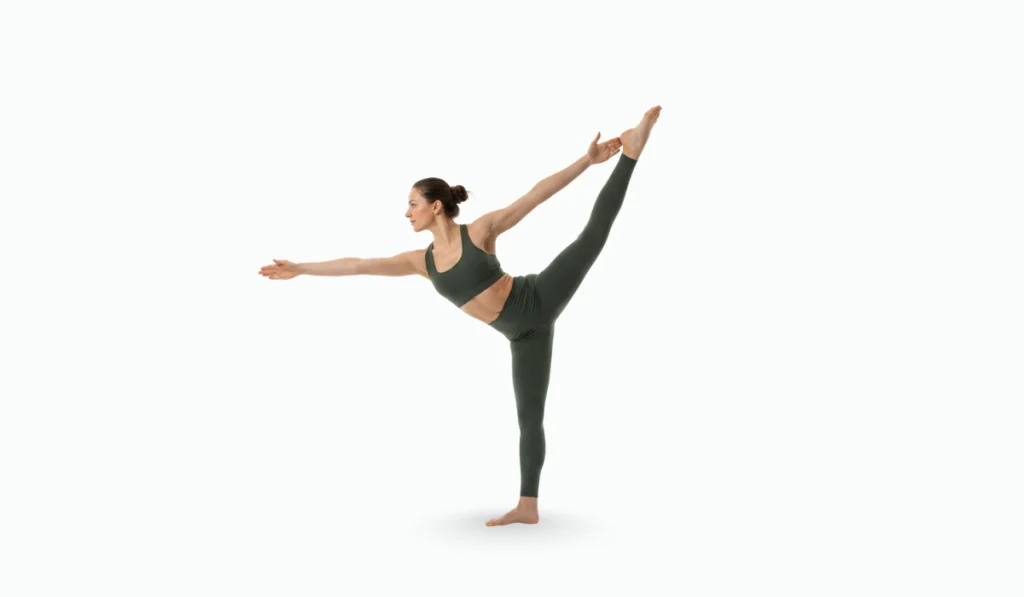
Insomnia is a common sleep disorder that makes it difficult to fall asleep or stay asleep during the night. Many people struggle with stress, anxiety, overthinking, and an unhealthy lifestyle, which can affect sleep quality.
Lack of proper sleep can lead to tiredness, poor focus, mood swings, and low energy levels. The good news is that yoga for insomnia is a natural and effective way to relax the body and calm the mind before bedtime.
Yoga combines breathing techniques, gentle stretching, and relaxation exercises that help reduce stress and prepare the body for restful sleep. Practicing yoga regularly can improve sleep quality and help you wake up feeling refreshed and energized.
What Causes Insomnia?
Insomnia can happen because of many reasons, including:
- Stress and anxiety
- Overthinking
- Excessive screen time
- Poor sleeping habits
- Mental pressure
- Lack of physical activity
- Irregular daily routine
Yoga for insomnia helps by calming the nervous system and reducing mental tension.
How Yoga Helps with Insomnia
Yoga for insomnia works naturally to improve sleep by:
- Relaxing the body and muscles
- Slowing down racing thoughts
- Reducing stress hormones
- Improving breathing patterns
- Creating mental calmness
- Helping the body feel balanced and relaxed
Even a short yoga session before bed can make a big difference.
Best Poses Yoga for Insomnia
1. Child’s Pose
This is a relaxing pose that gently stretches the body and calms the mind.
Benefits:
- Relieves stress and anxiety
- Calms the nervous system
- Helps relax the body before sleep
How to do:
- Kneel on the floor
- Sit back on your heels
- Stretch your arms forward
- Rest your forehead on the mat
- Breathe slowly and deeply
2. Legs-Up-the-Wall Pose
One of the best yoga poses for deep relaxation.
Benefits:
- Reduces tiredness
- Improves blood circulation
- Relaxes the mind and body
How to do:
- Lie on your back near a wall
- Place your legs upward against the wall
- Keep your arms relaxed by your sides
- Stay in the pose for 5–10 minutes
3. Cat-Cow Pose
A gentle movement that releases tension from the spine.
Benefits:
- Improves breathing
- Relaxes body stiffness
- Reduces tension and stress
How to do:
- Come onto your hands and knees
- Arch your back upward (Cat Pose)
- Then lower your belly and lift your chest (Cow Pose)
- Repeat slowly several times
4. Seated Forward Bend
A calming forward bend pose that relaxes the nervous system.
Benefits:
- Reduces anxiety
- Helps quiet the mind
- Improves relaxation
Bend your knees slightly if needed.
5. Supine Twist
A gentle twisting pose that releases stress and tension.
Benefits:
- Relaxes the spine and lower back
- Improves body relaxation
- Helps calm the mind
6. Corpse Pose
The ultimate relaxation pose.
Benefits:
- Deeply relaxes the body
- Reduces mental fatigue
- Helps prepare the body for sleep
How to do:
- Lie flat on your back
- Relax your arms and legs
- Close your eyes
- Focus on slow breathing
Breathing Exercises for Yoga For Insomnia
Deep Breathing
Deep breathing is very effective for calming the mind.
How to practice:
- Sit or lie comfortably
- Inhale slowly through your nose
- Exhale slowly through your mouth
- Repeat for 5–10 minutes
This helps slow down overthinking and relaxes the nervous system.
Benefits of Yoga for Insomnia
Regular practice of yoga for insomnia can:
- Improve sleep quality
- Reduce stress and anxiety
- Calm the nervous system
- Relax the body and mind
- Improve emotional balance
- Increase energy during the day
Easy Tips for Better Results
1. Practice Before Bed
Night time yoga works best for insomnia.
2. Keep the Room Calm
Use dim lights and a quiet environment.
3. Avoid Mobile Screens
Reduce screen time before sleeping.
4. Focus on Breathing
Slow breathing helps the body relax faster.
5. Stay Consistent
Practice regularly for long-term improvement.
Common Mistakes to Avoid
Avoid these mistakes while practicing yoga for sleep:
- Doing intense exercises before bedtime
- Forcing difficult poses
- Practicing in a noisy environment
- Holding your breath
- Expecting instant results
Gentle and relaxing yoga works best for insomnia.
Why Yoga is Better Than Stressful Night Habits
Many people try to fix insomnia by scrolling on their phones or staying awake longer, but this often makes sleep worse. Yoga for insomnia is different because it naturally relaxes the mind and body without creating more stress.
It teaches the body to slow down and enter a peaceful state, making sleep easier and healthier.
Conclusion
Yoga for insomnia is one of the best natural ways to reduce insomnia and improve sleep quality. Simple yoga poses, breathing exercises, and relaxation techniques can help calm your mind, relax your body, and prepare you for restful sleep.
The key is patience and consistency. Even a few minutes of gentle yoga each night can create positive changes over time.
By adding yoga to your bedtime routine, you move closer to a peaceful, relaxed, and healthy life.
Sources:
Harvard Health. (2020, June 15). Yoga for better sleep.
Coviello, C. (2023, January 4). Can’t sleep? try these 5 yoga poses for insomnia that are backed by science. Yoga Journal.
Dpt, C. H. P., & Dpt, M. M. P. (2025, July 15). 10 yoga stretches for better sleep. hingehealth.
Stelter, G. (2024, December 17). A restful yoga routine for insomnia. Healthline.