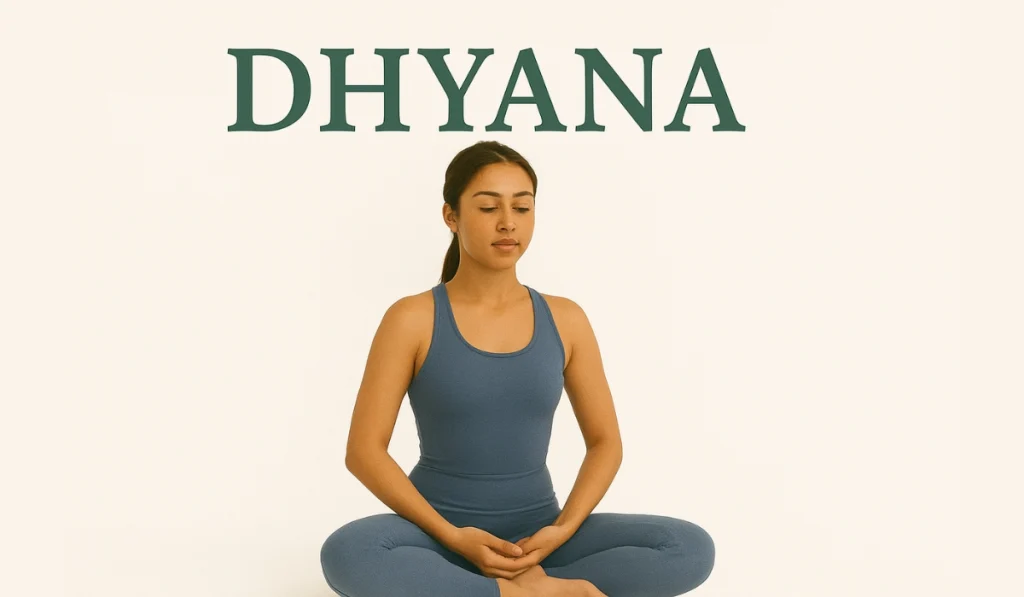
As a yoga teacher, I often see beginners struggle with sitting still. I remember early in my journey how my legs would tingle and my back would slouch during meditation.
It was frustrating—I wanted to find peace, but my body just wouldn’t cooperate. That changed when I found Siddhasana, or the Accomplished Pose. It gave me the support and balance I needed to focus inward and feel grounded.
If you’ve been restless or uncomfortable during meditation, I encourage you to give Siddhasana a try.
It’s a simple pose, but with powerful results—both for the body and mind.
What Does the Mean of Siddhasana Pose?

The word Siddhasana comes from the Sanskrit words:
- “Siddha” meaning “accomplished” or “perfected,”
- “Asana” meaning “pose” or “posture.”
Siddhasana is a traditional seated meditation pose in yoga. It is believed to calm the mind and prepare the body for long periods of stillness.
It is often used by advanced practitioners during deep meditation or pranayama (breathing exercises). Siddhasana helps build focus, discipline, and inner peace.
Warm-up Exercises
Before getting into Siddhasana, it’s important to warm up your hips, knees, and lower back. Here are a few simple warm-up moves:
- Butterfly Stretch: Sit with your feet together and gently flap your knees like butterfly wings.
- Cat-Cow Stretch: On your hands and knees, alternate arching and rounding your back.
- Seated Forward Bend: Stretch your legs forward and bend at the hips to reach your toes.
- Hip Circles: Sit cross-legged and gently move your upper body in circles to loosen the hips.
These warm-ups help prevent strain and make sitting more comfortable.

How to Perform Siddhasana
Follow these easy steps to perform Siddhasana:
- Sit on the floor with your legs stretched out in front.
- Bend your left leg and bring the heel close to the body, touching the perineum (space between the genitals and anus).
- Now bend your right leg and place the heel above the left ankle, allowing the right foot to rest comfortably.
- Tuck the toes of each foot into the gaps between the calf and thigh, if possible.
- Keep your spine straight, shoulders relaxed, and hands resting on the knees in Gyan Mudra (thumb and index finger touching).
- Close your eyes and breathe deeply. Focus on your breath or a mantra.
- Hold this position for a few minutes at first. With practice, you can increase the duration.
Here’s a video that explains this yoga pose in more detail.
Physical Benefits
Siddhasana is more than just a sitting pose. It helps your body in many ways:
- Improves posture: It trains the spine to stay straight naturally.
- Opens hips: It stretches and strengthens the hip joints.
- Increases flexibility: Knees, ankles, and groin become more flexible over time.
- Strengthens the back: Holding this pose builds core and back strength.
- Supports digestion: Sitting in Siddhasana can massage the lower abdomen gently.
These benefits make Siddhasana great not just for meditation, but for everyday body health.
Mental Benefits
The mental benefits of Siddhasana are just as powerful as the physical ones:
- Calms the mind: The pose helps reduce racing thoughts and anxiety.
- Improves focus: A steady spine and still body allow deeper mental focus.
- Reduces stress: Deep breathing in this pose activates the calming part of your nervous system.
- Boosts mindfulness: You become more aware of your breath, body, and thoughts.
- Encourages stillness: It builds the habit of being quiet and centered.
Over time, practicing Siddhasana daily can bring mental clarity and emotional peace.
Variations and Modifications
Not everyone can jump into Siddhasana on the first try. Here are some ways to make it easier:
- Use a folded blanket or cushion: Sitting on a cushion helps raise the hips and reduces pressure on the knees.
- Half Siddhasana: Instead of tucking both feet, keep one leg extended and the other folded in.
- Wall support: Sit with your back against a wall if your spine gets tired.
- Yoga blocks: Place a block under each knee for extra support.
As flexibility improves, you can move closer to the full pose. Always listen to your body.
Safety Precautions
While Siddhasana is generally safe, keep these points in mind:
- Avoid if you have knee injuries: This pose puts pressure on the knees.
- Don’t force the pose: Forcing your legs into position can cause pain.
- Support your back: If your back hurts, use props or reduce the duration.
- Stop if numbness occurs: Tingling or numbness means blood flow is restricted.
- Consult a doctor: If you have hip or spine issues, ask a health expert before starting.
With patience and proper alignment, Siddhasana becomes safe and effective.
Final Words
Siddhasana may look simple, but it holds deep power. As a yoga teacher, I’ve seen this pose transform meditation practices for many students—including myself.
It helps your body stay grounded and your mind stay calm. Whether you’re just starting yoga or looking to deepen your inner focus, this pose can guide you there.
Begin slowly, be kind to your body, and give yourself time to adjust. Siddhasana isn’t about looking perfect—it’s about feeling peaceful and centered.
In just a few minutes a day, you can build a stronger connection to yourself—one breath, one moment, one sit at a time.
Sources:
Lindberg, S. (2019, June 19). How to do siddhasana in yoga. Verywell Fit.
Siddhasana (The Accomplished Pose). (n.d.). MyYogaTeacher.
Yandara Yoga Teacher Training, Mexico, Bali, Hawaii, Europe. (2024, March 28). Siddhasana: Master Siddhasana pose | Learn Benefits & Variations.