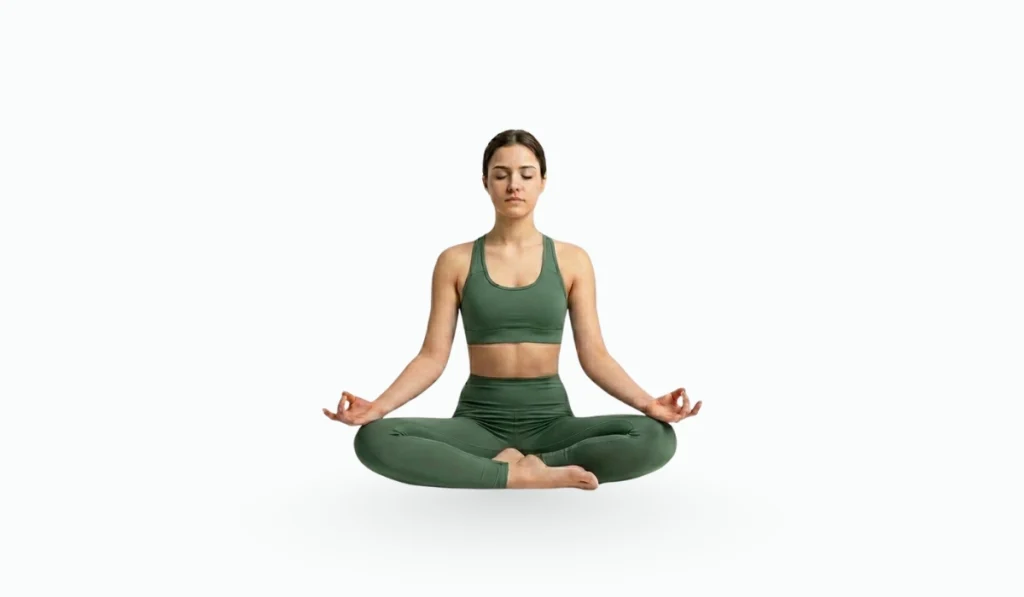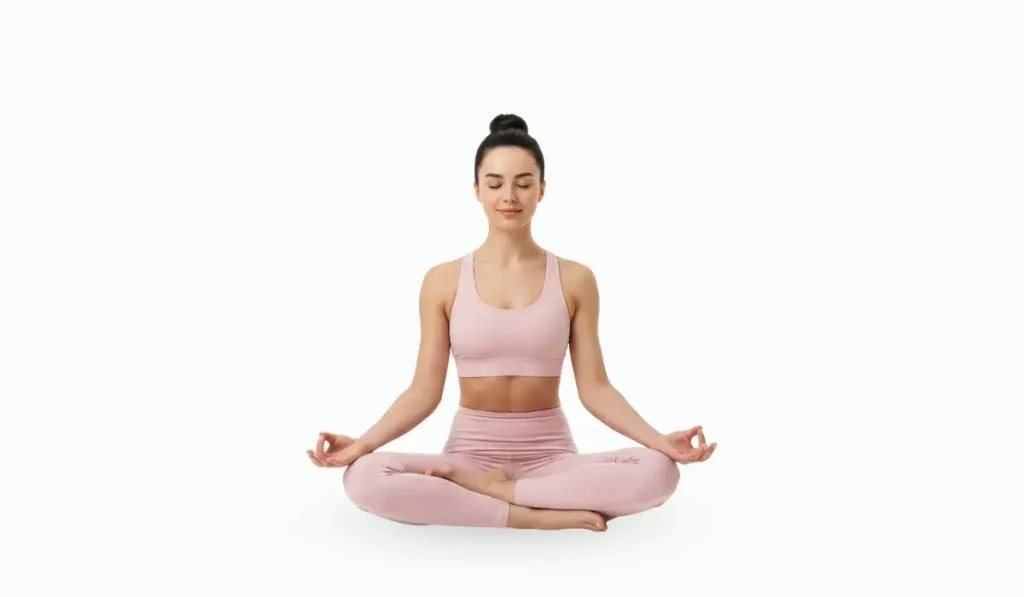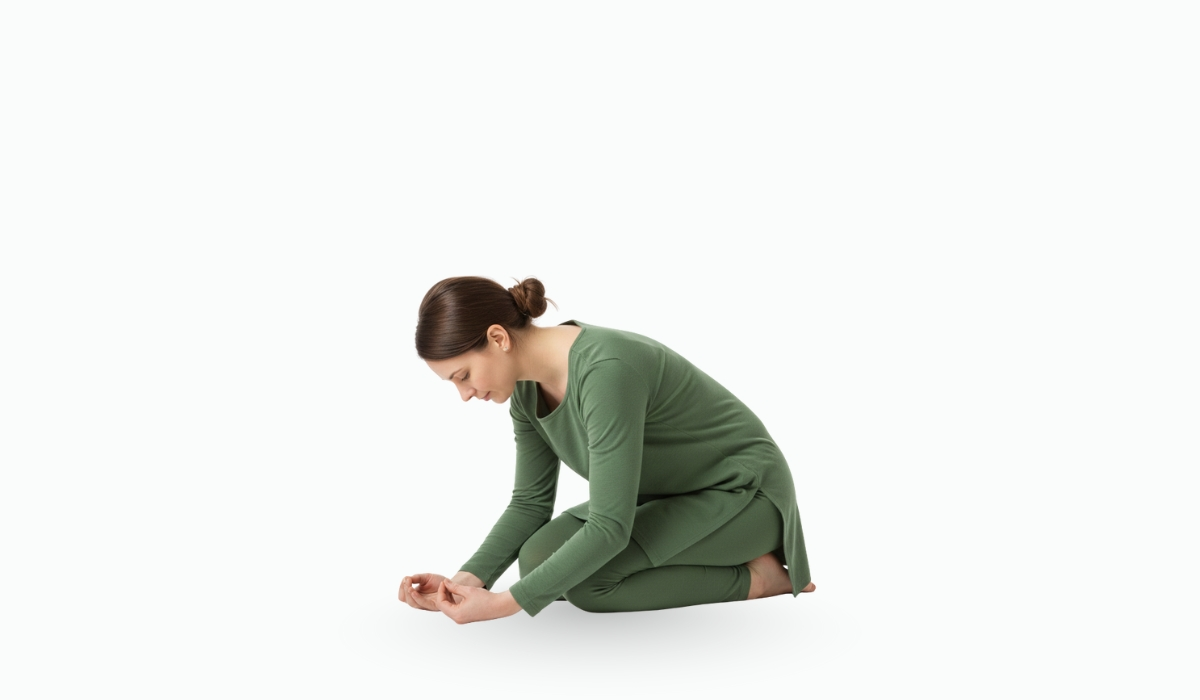
Padasevana is a spiritual practice that teaches humility, respect, and selfless service. The word Padasevana comes from Sanskrit, where pada means “feet” and sevana means “service.”
Together, Padasevana means “serving at the feet.” In spiritual life, it does not mean only physical service. It means serving with love, devotion, and humility.
Padasevana helps remove ego and develop a caring heart. Through this practice, a person learns to serve others sincerely and stay grounded. Padasevana is a gentle but powerful path that leads to inner peace, discipline, and spiritual growth.
Meaning of Padasevana
Padasevana means loving and humble service. Traditionally, it refers to serving the feet of a respected teacher, saint, or divine presence. The feet symbolize guidance, wisdom, and the right path.
In a deeper sense, Padasevana means:
- Serving with respect
- Letting go of pride
- Accepting guidance with humility
It is not about worshiping a person, but about honoring values like wisdom, truth, and goodness.
Padasevana in Bhakti Yoga
Padasevana is one of the important practices in Bhakti Yoga, the yoga of devotion. Bhakti Yoga focuses on love, surrender, and service.
In Bhakti Yoga, Padasevana teaches:
- Devotion through action
- Love through service
- Growth through humility
By serving others with devotion, the heart becomes pure and calm.
Symbolic Meaning of “Feet”
In spiritual teachings, feet have a deep symbolic meaning.
Feet represent:
- The foundation of life
- The path we walk
- Guidance and direction
Serving the “feet” means respecting the path of truth and walking on it with sincerity.
Why Padasevana Is Important
Padasevana plays an important role in personal and spiritual growth.
1. Reduces Ego
Service helps remove pride and selfishness.
2. Builds Humility
It teaches us to respect others and accept guidance.
3. Develops Compassion
Serving others increases kindness and care.
4. Creates Inner Peace
Selfless service brings calmness and satisfaction.
Padasevana and Humility
Humility is the heart of Padasevana. A humble person:
- Does not seek praise
- Respects everyone
- Accepts mistakes
- Learns continuously
Padasevana helps us understand that true greatness comes from being humble.
Padasevana in Daily Life
Padasevana is not limited to spiritual places. It can be practiced in daily life.
At Home
- Helping parents and elders
- Caring for family members
- Doing chores without complaint
At School or Work
- Respecting teachers and seniors
- Helping classmates or coworkers
- Following rules honestly
In Society
- Serving the needy
- Volunteering
- Helping without expecting reward
All these actions become Padasevana when done with respect and love.
Difference Between Service and Padasevana
| Ordinary Service | Padasevana |
| Done for reward | Done with devotion |
| May involve ego | Ego-free |
| Temporary satisfaction | Deep inner peace |
| External action | Inner attitude |
Padasevana focuses more on intention than action.
Padasevana and Discipline
Padasevana builds discipline naturally.
It teaches:
- Punctuality
- Responsibility
- Patience
Serving regularly creates structure and balance in life.
Padasevana and Character Building
Regular practice of Padasevana helps build strong character.
It develops:
- Honesty
- Respect
- Kindness
- Gratitude
These qualities improve both personal and social life.
Padasevana and Inner Purity
Selfless service cleans the heart and mind.
When actions are pure:
- Negative thoughts reduce
- Jealousy fades
- Anger softens
Padasevana helps purify inner intentions.
Padasevana and Spiritual Growth
In spiritual life, Padasevana prepares the mind for deeper practices.
It helps:
- Reduce ego
- Increase surrender
- Develop devotion
- Strengthen faith
A pure heart grows faster on the spiritual path.
Padasevana in Different Traditions
Many spiritual traditions include Padasevana-like practices.
- Respecting teachers
- Serving elders
- Honoring sacred spaces
This shows that Padasevana is a universal value, not limited to one culture.
Challenges in Practicing Padasevana
Some common challenges are:
- Expecting praise
- Feeling proud of service
- Losing patience
These challenges reduce with awareness and sincerity.
How to Practice Padasevana
Here are simple steps to practice Padasevana:
- Serve with respect
- Avoid showing off
- Be patient and calm
- Accept guidance happily
- Focus on intention, not reward
Even small acts become meaningful with the right attitude.
Padasevana and Modern Life
In today’s fast world, Padasevana teaches balance.
It helps people:
- Stay grounded
- Reduce selfishness
- Build healthy relationships
- Find purpose in service
It brings humanity into modern life.
Benefits of Padasevana
Regular Padasevana brings many benefits:
- Inner peace
- Emotional balance
- Strong character
- Respect from others
- Spiritual progress
These benefits grow slowly but last long.
Padasevana and Inner Joy
True joy comes not from taking, but from giving.
Padasevana creates joy by:
- Making others happy
- Reducing ego
- Bringing contentment
This joy is deep and lasting.
Relation of Padasevana with Other Bhakti Practices
Padasevana works well with:
Together, they create a complete path of devotion.
Conclusion
Padasevana is the path of humble and loving service. It teaches us to serve without pride and to respect wisdom and guidance. Through Padasevana, we learn that service is not weakness but strength. It cleans the heart, builds character, and brings inner peace.
In daily life, Padasevana helps us become kind, patient, and grounded. In spiritual life, it prepares the mind for deeper understanding. By practicing Padasevana regularly, we move closer to a life of balance, devotion, and true happiness.
Sources:
Padasevana. (n.d.).
Pada-Sevanam – Bhaktiyogavision.com. (n.d.).
4: Pada-Sevanam – Service Supreme by Dvarakadhisa Devi Dasi – Back to Godhead. (n.d.).