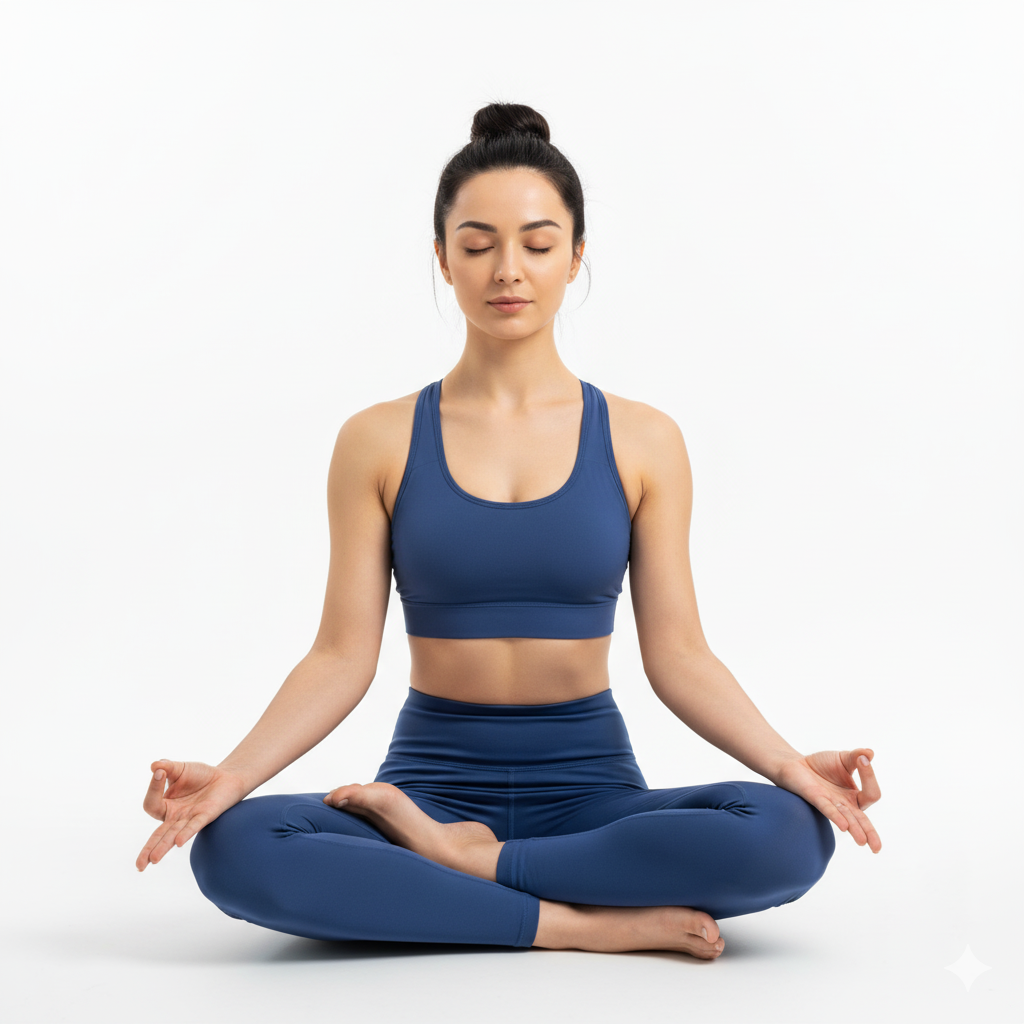
Chin Mudra is one of the most commonly used hand gestures in yoga and meditation. You may have seen it in pictures of yogis sitting peacefully with their hands resting on their knees, thumb and index finger touching. But Chin Mudra is more than just a pose — it is a powerful energy seal that helps calm the mind, balance your inner state, and deepen meditation.
In yoga philosophy, the word “Mudra” means a symbolic hand gesture that guides the flow of energy within your body. The word “Chin” comes from Sanskrit and means consciousness. So, Chin Mudra is known as the Gesture of Consciousness.
This mudra is simple to perform, but its effects are surprisingly deep. Whether you’re dealing with stress, lack of focus, negative thoughts, or low energy, Chin Mudra can help you feel centered and stable.
What Is Chin Mudra?

Chin Mudra is a yogic hand gesture where:
- You lightly touch the tip of your thumb to the tip of your index finger
- The other three fingers (middle, ring, and little finger) stay extended and relaxed
- Your palms face upward, usually resting on your knees or thighs
This gesture symbolizes the union of individual energy with universal energy.
Thumb = divine energy
Index finger = human ego/mind
When these two touch, it represents the connection between the self and the higher consciousness. This is why Chin Mudra is commonly used in meditation practices—it brings awareness, calmness, and mental clarity.
Symbolic Meaning of Chin Mudra
Every finger in yoga mudras has its own meaning. In Chin Mudra, their position represents:
- Thumb – Fire element, divine consciousness
- Index finger – Air element, individual ego
- Middle finger – Space element
- Ring finger – Earth element
- Little finger – Water element
When the thumb and index finger join, it symbolizes harmony between your lower self and higher self. The remaining three fingers represent the material world, which stays separate but balanced.
This symbolic meaning shows why Chin Mudra is so powerful in meditation — it helps the mind become quiet and aligned.
How to Perform Chin Mudra Correctly
Here is a step-by-step guide to practicing Chin Mudra:
Step 1: Sit Comfortably
Sit in a comfortable meditation posture like:
- Sukhasana (Easy Pose)
- Padmasana (Lotus Pose)
- Vajrasana (Thunderbolt Pose)
- Or even on a chair with your spine straight
Your back should be upright but relaxed.
Step 2: Place Your Hands
Rest your hands on your knees or thighs with your palms facing upward.
Step 3: Form the Mudra
Gently touch the tip of the thumb to the tip of the index finger.
Extend the remaining three fingers comfortably.
Avoid pressing too hard—the touch should be light and natural.
Step 4: Close Your Eyes
Take a few slow breaths. Relax your shoulders and facial muscles.
Step 5: Meditate
Stay in this mudra for 10–45 minutes. You can chant a mantra, focus on your breath, or simply observe your thoughts.
Benefits of Chin Mudra
Chin Mudra offers benefits for the mind, body, and energy system. Here are the most important ones:
1. Calms the Mind
Chin Mudra reduces mental restlessness and helps balance the nervous system. It is excellent for people who deal with:
- Overthinking
- Anxiety
- Stress
- Negative thoughts
By connecting the index finger (ego) with the thumb (consciousness), the mind becomes steady.
2. Improves Concentration
If you struggle to focus, Chin Mudra helps increase clarity. It enhances memory and sharpens mental awareness, making it great for:
- Students
- People doing meditation
- Anyone working in a creative or analytical field
3. Enhances Meditation
Chin Mudra deepens meditative states by directing energy upward, toward the brain. It helps you enter a peaceful, centered state more easily.
4. Boosts Energy and Reduces Fatigue
This mudra activates the pranic (life force) channels in the body. It helps remove dullness and tiredness, making the mind feel more awake and refreshed.
5. Improves Breathing
Chin Mudra supports better lung capacity, helping you breathe more deeply. This is especially useful during pranayama (breathing exercises).
6. Balances the Element of Air
The index finger represents the air element. Chin Mudra helps regulate this element in the body, which can improve:
- Nervous system function
- Mind–body connection
- Emotional stability
7. Helps With Anger and Irritability
Chin Mudra cools down emotional intensity. It helps you respond peacefully instead of reacting with anger or frustration.
When Should You Practice Chin Mudra?
You can perform Chin Mudra anytime, but it is especially effective during:
- Meditation
- Pranayama
- Morning routines
- Yoga practice
- Before sleep
- During stressful situations
Even doing it for 5 minutes can calm your mind.
Difference Between Chin Mudra and Jnana Mudra
Many people confuse Chin Mudra with Jnana Mudra. They look almost identical, but the position of the palm creates the difference.
Chin Mudra
- Palm faces up
- Represents higher consciousness
- Used for meditation, energy upliftment
Jnana Mudra
- Palm faces down
- Represents grounding and knowledge
- Used for stability and mental focus
Chin Mudra is uplifting; Jnana Mudra is grounding.
Who Can Practice Chin Mudra?
Chin Mudra is safe for everyone, including:
- Beginners
- Kids
- Older adults
- People with stress or anxiety
- Pregnant women
- Those recovering from illness
It has no side effects and can be practiced anywhere.
How Long Should You Hold Chin Mudra?
For best results:
- Minimum: 10 minutes
- Ideal: 20–30 minutes
- Advanced practitioners: 45 minutes or more
You can break it into smaller sessions throughout the day.
Tips for Best Results
- Practice with slow, deep breathing
- Keep your shoulders relaxed
- Don’t press the fingers too hard
- Stay consistent—daily practice brings the best benefits
- Pair it with meditation or mantra chanting
Final Thoughts
Chin Mudra is one of the simplest yet most powerful mudras in yoga. It strengthens your mind, balances your emotions, and deepens meditation by connecting your individual consciousness with the universal energy around you. Even if you practice for just a few minutes daily, you will notice a calmer, clearer, and more focused mind.
If you want inner peace, mental clarity, and emotional balance, Chin Mudra is an excellent practice to include in your daily routine.
Sources:
Sharma, D. (2024, March 31). Chin Mudra: Meaning, Benefits & How to Do | Siddhi Yoga. Siddhi Yoga.
Flynn, R. (2023, November 27). WHAT IS CHIN MUDRA? YOUR TWO MINUTE GUIDE. WONDER YOGA.
Utermoehl, J. (2023, November 30). Chin Mudra – Consciousness seal. Asivana Yoga.