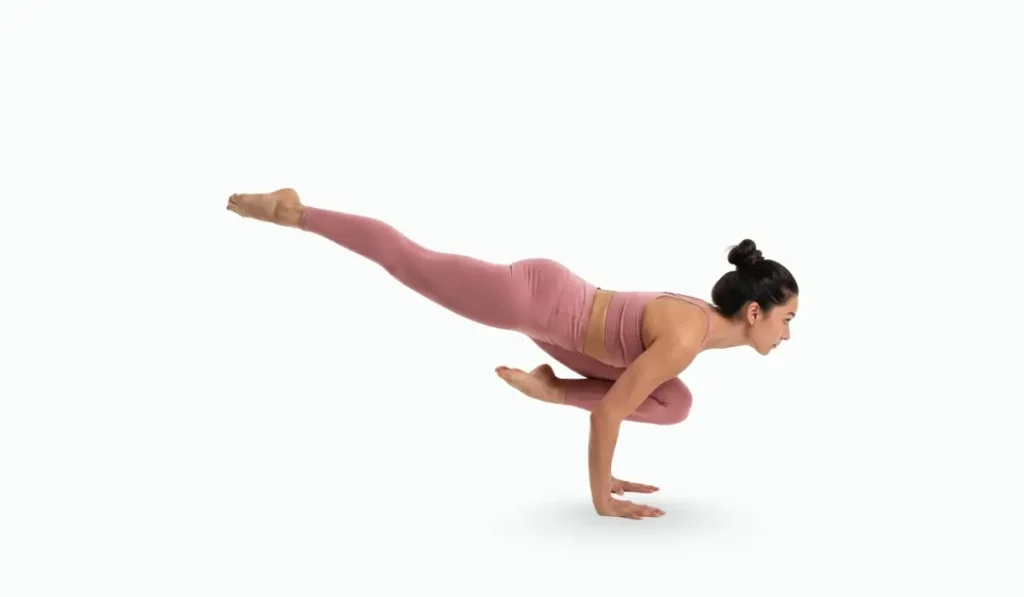
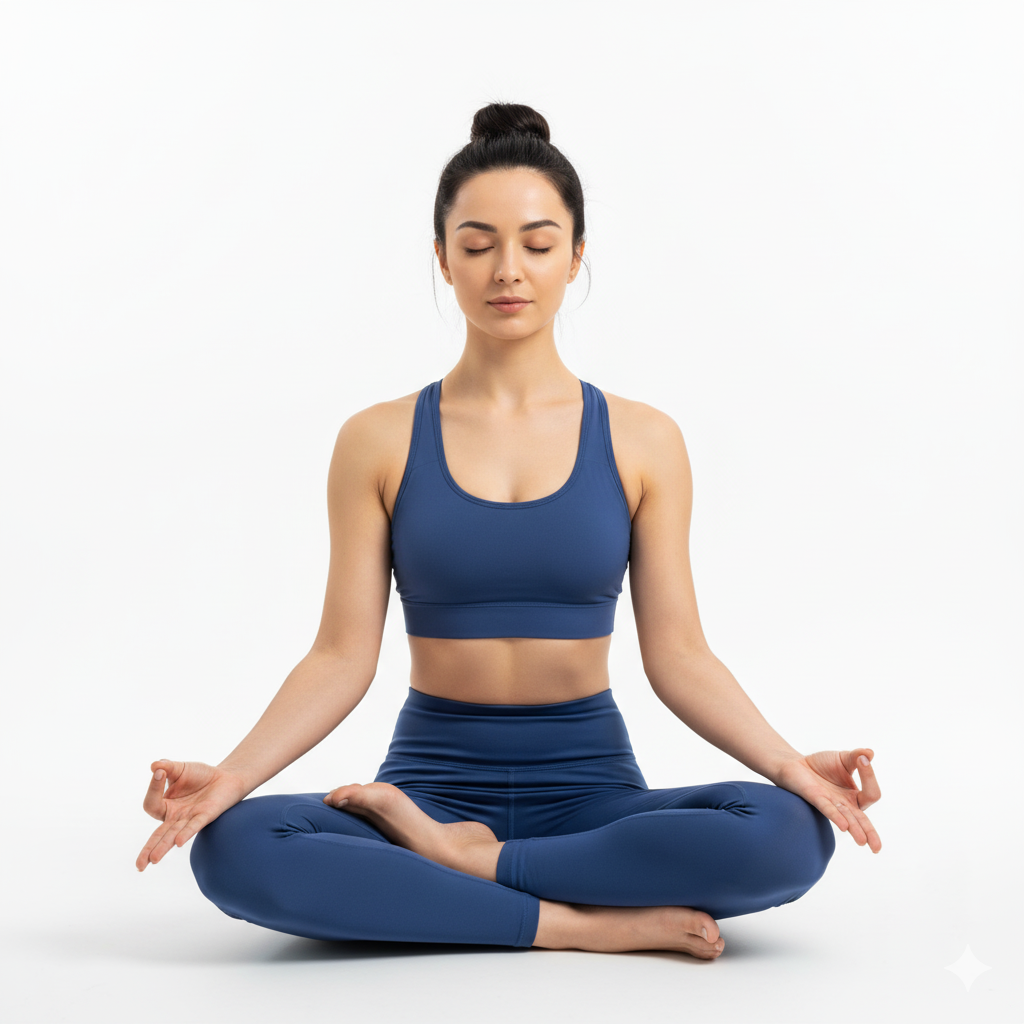
Yoga and meditation are often spoken of together — and for good reason. Both help calm the mind, reduce stress, and improve overall well-being. Many people even think they’re the same thing. But while they are closely connected, yoga and meditation are two different practices with unique goals and benefits.
In simple terms, yoga works through the body to calm the mind, while meditation works directly with the mind to find peace and focus.
Let’s look deeper into what makes yoga and meditation different, how they support each other, and which one might be right for you.
What Is Yoga?

Yoga is an ancient practice that started in India more than 5,000 years ago. The word “Yoga” means union — the union of the body, mind, and spirit.
At its core, yoga is a complete lifestyle that combines:
- Physical postures (Asanas) for strength and flexibility
- Breathing exercises (Pranayama) for energy and calmness
- Meditation (Dhyana) for focus and inner peace
- Ethical principles that guide behavior and mindset
So, yoga is not just stretching or exercise. It’s a holistic path toward balance and self-awareness.
When you move through yoga poses, you learn to focus your breath and attention — this prepares your mind for meditation.
What Is Meditation?
Meditation is the art of training the mind. It helps you become aware of your thoughts, emotions, and surroundings without judgment.
Unlike yoga, meditation doesn’t involve physical movement. Instead, it focuses on stillness, observation, and awareness.
There are many forms of meditation, such as:
- Mindfulness Meditation: Observing thoughts and sensations in the present moment.
- Mantra Meditation: Repeating a word or sound to stay focused.
- Guided Meditation: Listening to a teacher or recording that leads you through relaxation.
- Loving-Kindness Meditation: Focusing on compassion and gratitude.
Meditation can be done anywhere — sitting on a chair, lying down, or even walking. Its goal is to quiet the mind and bring you into the present moment.
The Relationship Between Yoga and Meditation
Yoga and meditation are like two sides of the same coin.
- Yoga prepares the body for stillness.
- Meditation prepares the mind for awareness.
In traditional yoga philosophy, physical postures (asanas) were designed to help people sit comfortably for long periods during meditation. By strengthening and stretching the body, yoga removes physical distractions so that you can focus inward.
This is why many yoga sessions end with Savasana (the resting pose) or a short meditation — to help your body and mind settle together.
Main Differences Between Yoga and Meditation
Although yoga and meditation often overlap, here’s how they differ in practice and purpose:
| Aspect | Yoga | Meditation |
| Focus | Mind-body connection through movement | Mind focus and awareness through stillness |
| Involves | Physical postures, breath control, and mindfulness | Mental training and concentration |
| Goal | Physical health, balance, and calmness | Mental clarity and inner peace |
| Energy | Active — involves movement and breath | Passive — involves stillness and focus |
| Tools | Mat, space for movement | Cushion, chair, or quiet space |
| Results | Flexibility, strength, relaxation | Mental clarity, emotional balance |
In short, yoga moves the body to still the mind, while meditation stills the mind to awaken awareness.
Benefits of Yoga
Yoga has a wide range of benefits for both physical and mental health. Here are some of the most common ones:
- Improves Flexibility and Strength: The postures stretch and tone your muscles.
- Reduces Stress: Deep breathing and mindfulness lower tension.
- Improves Posture and Balance: Regular practice helps body alignment.
- Boosts Energy: Increases blood circulation and oxygen flow.
- Improves Sleep Quality: Calms the nervous system and mind.
- Supports Heart Health: Reduces blood pressure and improves focus.
- Encourages Self-Awareness: Helps connect with your emotions and body signals.
Yoga is perfect for those who want a balanced mix of movement and mindfulness.
Benefits of Meditation
Meditation focuses mainly on the mind and emotional health. It can be done by anyone, anywhere, and for any duration.
Here are its key benefits:
- Reduces Anxiety and Depression: Helps manage negative thoughts and emotions.
- Improves Focus and Concentration: Trains the mind to stay present.
- Supports Emotional Health: Builds patience, compassion, and self-love.
- Boosts Creativity: A clear mind enhances imagination and problem-solving.
- Improves Sleep: Encourages relaxation and reduces racing thoughts.
- Lowers Blood Pressure: Helps calm the heart rate and nervous system.
- Increases Mindfulness: Teaches you to live in the present moment.
Meditation is ideal if your main goal is mental peace, emotional balance, or inner awareness.
How Yoga and Meditation Work Together
Yoga and meditation are most powerful when practiced together.
Here’s how they support each other:
- Yoga prepares your body: It releases physical tension so you can sit comfortably in meditation.
- Meditation deepens your yoga: It enhances focus and mindfulness during yoga postures.
Think of yoga as the gateway to meditation. After a few minutes of yoga, your breath slows down, your mind clears, and you naturally enter a meditative state.
A great daily routine could be:
- Start with gentle yoga stretches for 10–15 minutes.
- End with meditation for 5–10 minutes to calm the mind.
This combination improves both physical health and mental well-being.
Which One Should You Choose?
The answer depends on your personal goals and lifestyle.
- If you want to improve your body’s strength, flexibility, and balance, start with Yoga.
- If you want to reduce stress, improve focus, and find emotional calm, try Meditation.
- For the best results, combine both — yoga for the body, meditation for the mind.
You can practice yoga in the morning to energize your day, and meditation at night to relax and unwind.
Both are safe, natural, and powerful ways to improve your overall health — inside and out.
Tips for Beginners
If you’re new to yoga or meditation, here are a few simple tips to get started:
- Find a Quiet Space: Choose a calm area without distractions.
- Start Small: Begin with 10 minutes daily — consistency matters more than duration.
- Use Guidance: Follow online videos or attend beginner classes.
- Focus on Breathing: Breath is the bridge between body and mind.
- Be Patient: The benefits grow over time — don’t rush the process.
Remember, both yoga and meditation are journeys, not destinations. Every session helps you grow a little more.
Conclusion
So, what’s the difference between yoga and meditation?
Yoga is a moving meditation that connects your body and breath, helping you become physically and mentally balanced. Meditation is a mental practice that quiets the mind and helps you connect with your inner peace.
While yoga focuses on the body, and meditation focuses on the mind, both lead to the same goal — self-awareness, harmony, and inner peace.
You don’t have to choose between them. Instead, let yoga prepare your body and meditation calm your mind — together, they create the perfect balance for a healthy, happy life.
Sources:
Yoga, A., & Yoga, A. (2024, April 12). Meditation vs Yoga: Exploring Differences, Benefits, & Harmony. Arohan Yoga.
Bayly, K. (2022, October 8). Yoga and meditation: what are the real health benefits? Live Science.
Warren, J. (2024, April 15). Yoga: A comparison between yoga and mindfulness Practices — My Best Self 101. My Best Self 101.