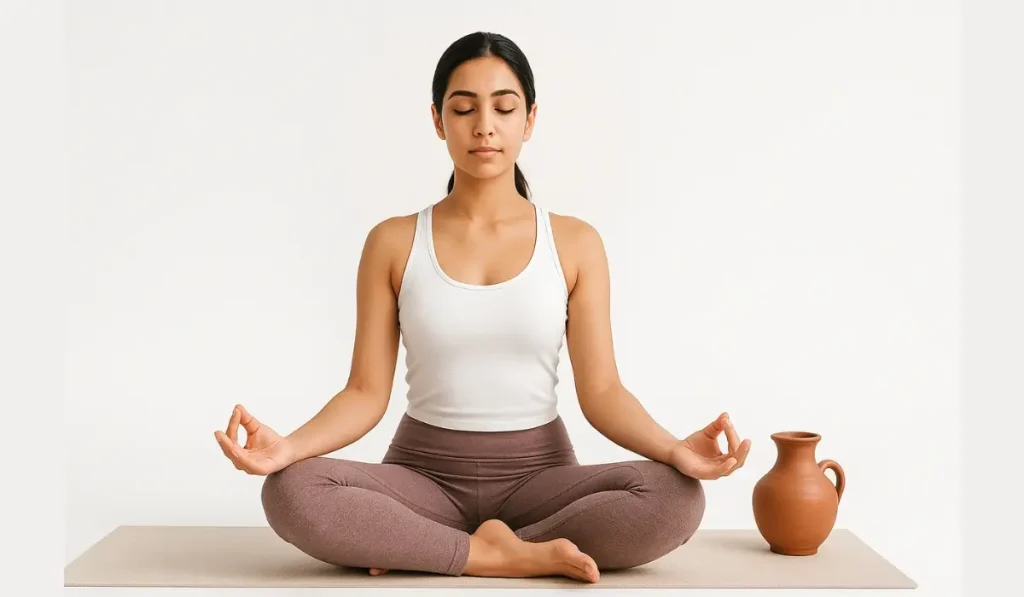
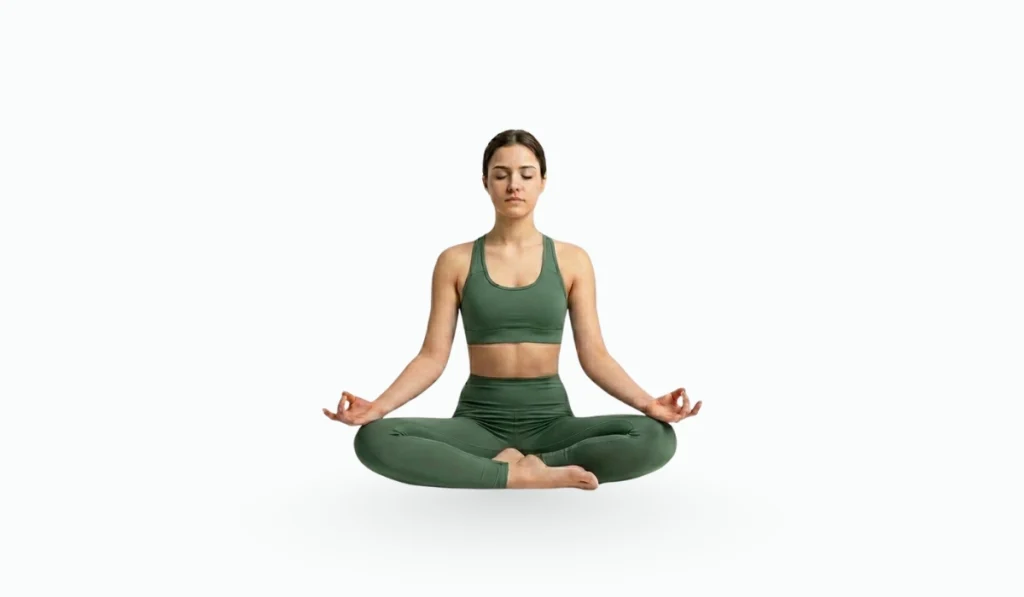
Anjali Mudra, often recognized as the gesture of prayer or salutation, is one of the most iconic hand positions in yoga. It’s the simple act of bringing your palms together in front of your heart, often accompanied by the word “Namaste.” But beyond its surface simplicity, Anjali Mudra holds profound spiritual, physical, and emotional meaning. It’s not just a gesture — it’s a bridge between body, mind, and spirit.
Meaning and Origin of Anjali Mudra

The word “Anjali” in Sanskrit means “offering” or “salutation,” and “Mudra” means “seal” or “gesture.” Together, Anjali Mudra translates to “the gesture of offering.” It symbolizes respect, gratitude, and unity.
In many Eastern traditions — including Hinduism, Buddhism, and Jainism — this gesture is used as a form of greeting, prayer, or devotion. When people say Namaste while joining their hands, they are expressing:
“The divine in me honors the divine in you.”
In yoga philosophy, Anjali Mudra is more than a greeting — it’s a gesture of balance, surrender, and connection. It reminds practitioners to unite opposites: right and left, masculine and feminine, action and stillness, self and universe.
How to Practice Anjali Mudra
Performing Anjali Mudra is simple, yet powerful when done with awareness. Here’s how to practice it correctly:
- Sit or Stand Comfortably:
Begin in a seated pose like Sukhasana (Easy Pose) or a standing position such as Tadasana (Mountain Pose). - Bring Hands Together:
Gently press your palms together in front of your chest, fingers pointing upward, thumbs resting lightly against the sternum. - Align the Body and Mind:
Keep your spine straight, shoulders relaxed, and head slightly bowed as a gesture of humility. - Close the Eyes:
Focus inward. Feel the gentle contact between your palms, sensing warmth and energy flow between them. - Breathe Deeply:
Inhale slowly through your nose, and exhale softly, allowing your breath to guide your focus toward the heart center. - Set an Intention:
Whether you’re practicing gratitude, peace, or compassion, allow your intention to fill the space of your heart.
This position can be held for a few breaths during meditation, prayer, or as part of your yoga practice — especially at the beginning and end of your sessions.
Symbolic Meaning of Anjali Mudra
Each element of Anjali Mudra holds deep symbolic significance:
- Unity of Opposites: The right hand represents the active, masculine energy (Pingala Nadi), while the left hand symbolizes the receptive, feminine energy (Ida Nadi). Bringing them together at the heart symbolizes harmony and balance.
- Centering Energy: Placing the hands at the heart connects you to Anahata Chakra, the center of love and compassion. It’s a reminder to live from your heart.
- Gesture of Surrender: Bowing the head while holding Anjali Mudra signifies humility, surrendering ego, and opening yourself to higher consciousness.
- Expression of Gratitude: It’s a physical manifestation of thankfulness and respect toward oneself, others, and the divine.
Physical Benefits of Anjali Mudra
Although it may seem like a simple gesture, Anjali Mudra has several physical and physiological benefits:
- Improves Posture:
Holding your palms together in front of your chest encourages an upright spine and open chest, promoting better alignment. - Enhances Balance and Coordination:
The symmetry of the gesture helps create balance between the left and right hemispheres of the brain. - Activates the Heart Center:
Gentle pressure between the palms stimulates the heart chakra, increasing feelings of love and compassion. - Reduces Stress:
By combining deep breathing with this mudra, it helps lower cortisol levels and induces calmness. - Improves Focus and Concentration:
The act of bringing hands together directs energy inward, improving mindfulness and focus during meditation or yoga practice.
Mental and Emotional Benefits
Anjali Mudra works on a deeper level — calming the mind and centering emotions. Here’s how it supports mental well-being:
- Cultivates Inner Peace:
When you bring your attention to the heart center, the mind begins to quiet down, reducing anxiety and overthinking. - Builds Gratitude:
The gesture represents thankfulness, which naturally shifts your mindset toward positivity. - Encourages Self-Acceptance:
Practicing Anjali Mudra reminds you to honor your journey — your struggles, growth, and potential. - Promotes Mindfulness:
It anchors you to the present moment, fostering awareness and grounding your thoughts. - Releases Ego:
The act of bowing while in Anjali Mudra symbolizes surrendering the ego and embracing humility.
Spiritual Significance
From a spiritual perspective, Anjali Mudra acts as a gateway to higher consciousness. It represents the union of the individual self (Atman) with the universal consciousness (Brahman). The palms symbolize the dual aspects of existence — good and bad, light and dark, active and passive — coming together in harmony.
In meditation, Anjali Mudra helps channel energy toward the heart, awakening compassion and divine love. It is believed that when practiced with devotion, it connects the practitioner with a higher spiritual frequency, creating a sense of oneness with all beings.
When to Use Anjali Mudra
You can integrate Anjali Mudra into various parts of your daily life and yoga practice:
- At the Beginning and End of Yoga Sessions:
Traditionally, yogis start and end their practice with this gesture to show gratitude and respect. - During Meditation or Prayer:
Use it as a focal point to center your energy and enhance devotion. - In Moments of Stress:
Whenever you feel anxious or overwhelmed, bring your palms together, close your eyes, and breathe deeply. - As a Greeting or Goodbye:
Replace a handshake or hug with Anjali Mudra — a universal sign of respect and goodwill. - Before Important Tasks:
Perform this mudra to focus your mind and set a peaceful intention.
Precautions and Tips
- Keep your shoulders relaxed and chest open; avoid tensing the arms.
- Ensure the palms are pressed lightly, not forcefully.
- Maintain steady, calm breathing throughout.
- If your palms don’t touch due to stiffness, focus on the intention rather than perfection.
- You can practice this mudra for 5–10 minutes daily to experience its benefits.
Modern Relevance of Anjali Mudra
In today’s fast-paced, digitally driven world, Anjali Mudra serves as a beautiful reminder to slow down, reconnect, and be present. It’s a universal gesture that transcends religion and culture — reminding us of our shared humanity.
Many yoga teachers, spiritual healers, and therapists incorporate this mudra as a grounding tool to promote mindfulness and compassion. Whether in a yoga studio, workplace, or home, the essence of Anjali Mudra remains the same — connection through respect and love.
Conclusion
Anjali Mudra may appear simple, but its depth is vast. It harmonizes the physical body, calms the restless mind, and opens the heart to divine awareness. Through this gesture, we acknowledge the light within ourselves and others — a timeless act of reverence that bridges the spiritual and human experience.
Next time you bring your palms together and whisper Namaste, remember that you are engaging in one of yoga’s most profound expressions of unity, love, and peace.
Sources:
Rea, S., & Rea, S. (2024, June 6). What is Anjali Mudra? Yoga Journal.
Pilar. (2024, June 23). What is the Meaning of Anjali Mudra? Bodhi Surf + Yoga.
Pose of the Month – Mind Body solutions. (2021, October 20). Mind Body Solutions.