As a yoga teacher, I’ve seen students struggle with tight hips, poor digestion, and low energy. I used to face the same problems—especially after long hours of sitting or working on my laptop.
One pose that truly helped me unlock my spine, stretch deeply, and feel lighter was Pasasana, also called the Noose Pose.
At first, it was tricky. My heels lifted, my balance was off, and my breath was shaky. But with patience and the right prep, it became one of my favorite twists.
In this article, I’ll guide you step-by-step so you can enjoy its benefits too.
What Does the Mean of Noose Pose?
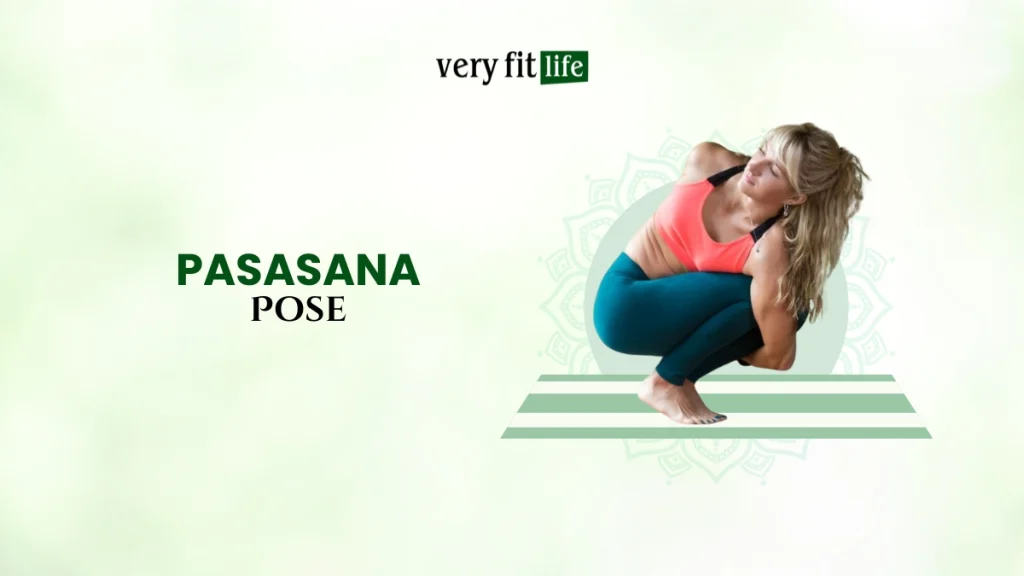
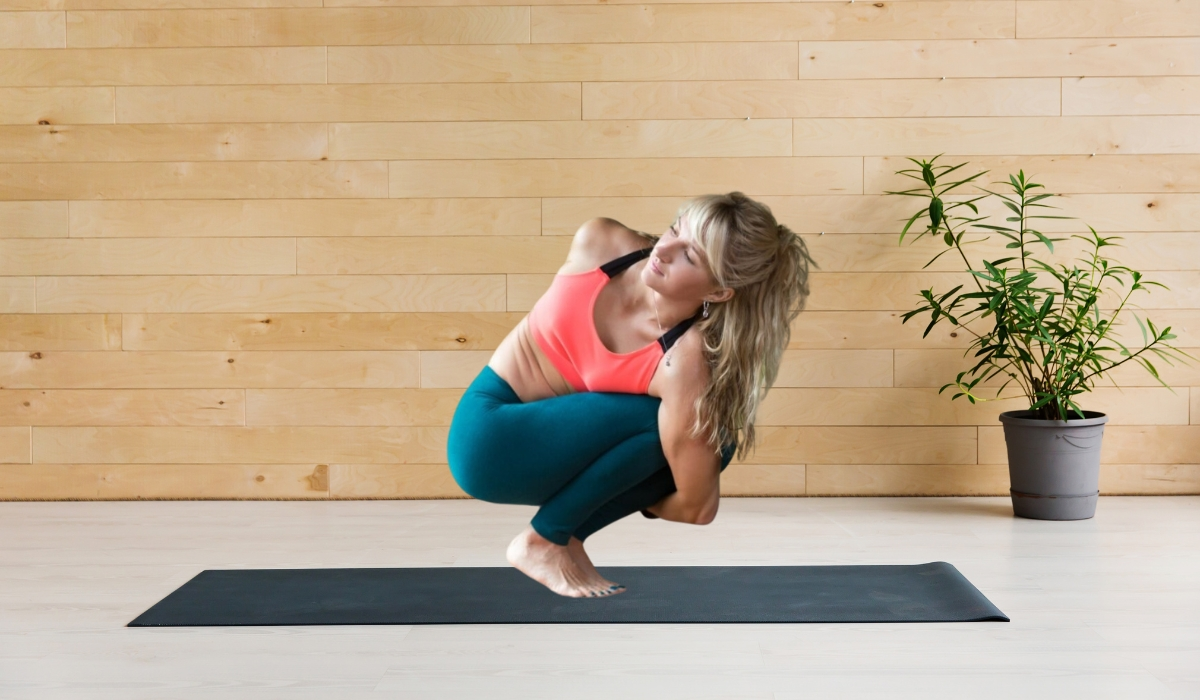
Pasasana comes from the Sanskrit word “Pasa,” meaning noose, rope, or tie. The pose involves wrapping the arms around the legs while squatting and binding the hands behind the back—creating a “noose” shape.
It symbolizes binding negative energy and wringing out what no longer serves you. It’s a deep spinal twist that engages the entire body and challenges your balance and flexibility.
The pose not only stretches the muscles but also helps in cleansing internal organs—especially those around the stomach and liver.
Warm-up Exercises
Before diving into Pasasana, it’s important to warm up your body properly. This pose demands hip flexibility, ankle mobility, and a strong, open back. Try these warm-ups:
- Cat-Cow Pose (Marjaryasana-Bitilasana) – Loosens up the spine.
- Garland Pose (Malasana) – Opens up the hips and ankles.
- Seated Spinal Twist (Ardha Matsyendrasana) – Prepares your spine for the deeper twist.
- Low Lunge (Anjaneyasana) – Stretches the hip flexors and thighs.
- Downward-Facing Dog (Adho Mukha Svanasana) – Warms up the whole body.
Spend at least 1–2 minutes on each warm-up pose. Breathe slowly and allow your muscles to open gradually.
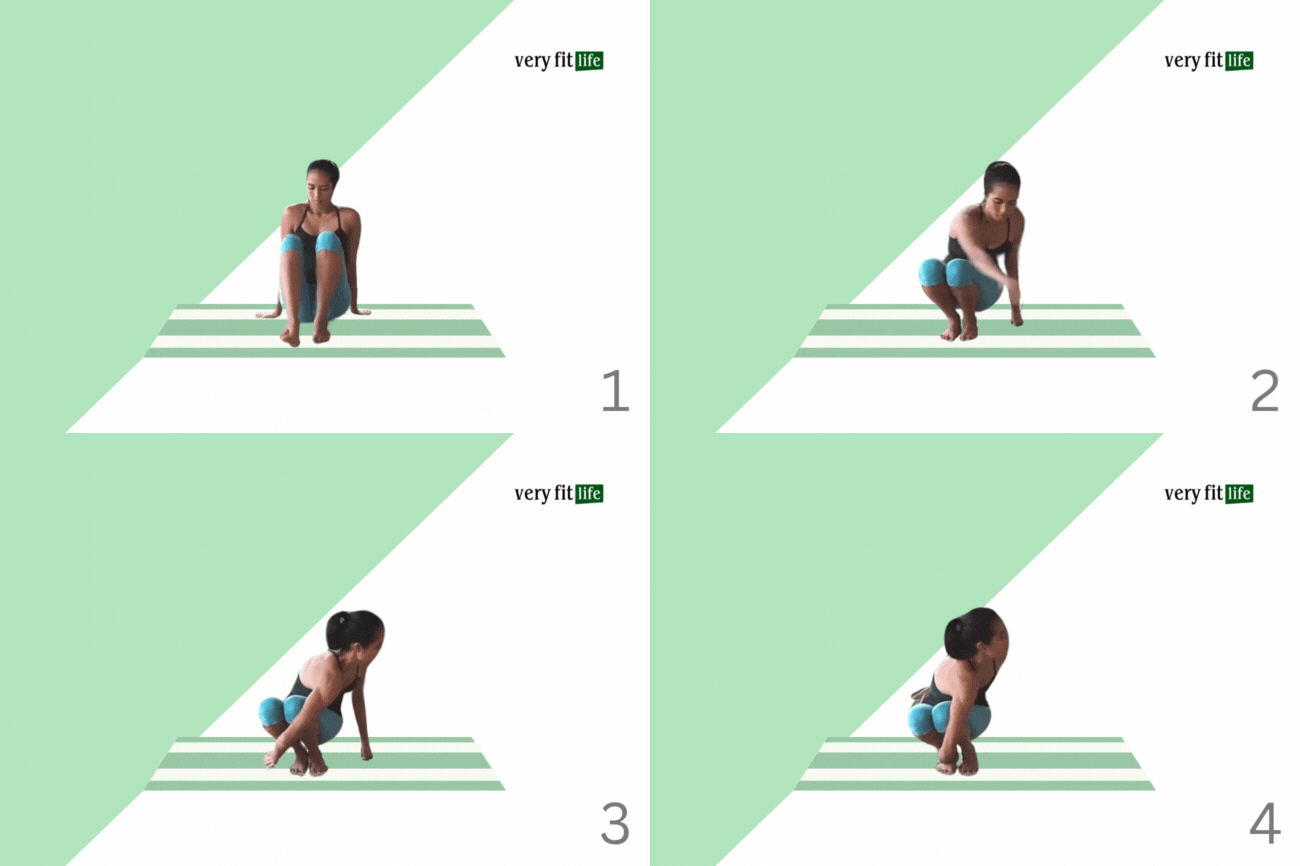
How to Perform Pasasana (Noose Pose)
Here’s a step-by-step guide to help you do Pasasana safely:
- Start in Tadasana (Mountain Pose)
Stand tall with your feet together and arms at your sides. Take a few deep breaths to ground yourself. - Squat Down into Malasana
Bring your feet slightly apart and bend your knees, coming into a deep squat. Keep your heels on the ground if possible. - Twist the Torso
Bring your left arm to the outside of your right thigh. Use your elbow to press against the thigh and deepen the twist. - Bind the Arms
Reach your right arm behind your back and try to clasp the left wrist or fingers. If you can’t reach, use a yoga strap. - Keep the Chest Lifted
Open the chest, roll the shoulders back, and look over your right shoulder. - Breathe and Hold
Stay in the pose for 5–8 breaths. Repeat on the other side.
Tip: Practice near a wall for balance support, especially in the beginning.
Here’s a video that explains this yoga pose in more detail.
Physical Benefits
Pasasana offers many physical benefits when practiced regularly:
- Improves digestion: The deep twist massages the abdominal organs, helping reduce bloating and constipation.
- Increases spinal flexibility: Great for unlocking a stiff back and shoulders.
- Strengthens legs and ankles: The squat strengthens the lower body and helps with ankle mobility.
- Tones abdominal muscles: Engaging the core in the twist helps tone and firm the belly area.
- Supports better posture: It teaches alignment and body awareness, reducing slouching.
Mental Benefits
Yoga is more than just physical. Pasasana also works wonders for the mind:
- Promotes focus: Balancing in a deep twist demands attention, which quiets the mind.
- Relieves stress: The twisting motion helps release tension from the spine and shoulders.
- Encourages letting go: The symbolic “noose” represents releasing toxic thoughts, emotions, or habits.
- Boosts self-awareness: Helps you become more aware of your breath, posture, and internal state.
Variations and Modifications
Pasasana is a challenging pose, but there are ways to make it more accessible:
- Heels Lifted: If your heels don’t stay on the floor, place a rolled blanket or yoga block under them.
- Use a Strap: If you can’t clasp your hands behind your back, use a yoga strap to bridge the gap.
- Chair Pasasana: Sit on a chair, twist the torso, and wrap your arms around the outside of your knee to mimic the pose.
- Wall Support: Practice the squat near a wall to help with balance while twisting.
With regular practice, you’ll build the strength and flexibility needed for the full expression of the pose.
Safety Precautions
Pasasana can be intense. Keep these safety tips in mind:
- Avoid Pregnant: Deep abdominal twists are not safe during pregnancy.
- Be Gentle with the Knees: If you have knee issues, approach the squat with caution or skip the pose.
- Don’t Force the Bind: It’s okay if you can’t clasp your hands. Forcing it can strain your shoulders.
- Warm Up Well: Never attempt Pasasana with a cold body. Always prepare with a proper warm-up.
- Listen to Your Body: If something doesn’t feel right, back off. Yoga should never cause pain.
Final Words
Pasasana is a powerful pose for both body and mind. It might feel challenging at first, but the rewards are worth it.
As a yoga teacher, I’ve seen this pose help students build balance, release deep tension, and boost their confidence on and off the mat.
Remember, progress in yoga is not about forcing the body—it’s about consistent, mindful practice.
Start slow, use props, and most of all—breathe. The journey into Pasasana is not just a twist of the body but a gentle turning inward.
Sources:
Yoga Journal. (2025, March 27). Rope pose.
Sell, C. (2013, May 30). A sequence for Pasasana (Noose Pose).
How to do Pasasana (Noose Pose) – OmStars. (n.d.).