Many yoga students struggle with tight hips, stiff backs, or feeling disconnected during their practice. I used to be one of them—until I found the magic of Reverse Warrior Pose.
This powerful posture not only opened up my body but also helped me find balance between strength and surrender.
As a yoga teacher, I’ve seen this pose transform both beginners and advanced practitioners alike. It looks graceful, but it packs real benefits for the body and mind.
In this guide, I’ll walk you through everything you need to know about Reverse Warrior Pose—from warm-up to safety, and even its mental benefits.
What Does the Reverse Warrior Pose Mean?
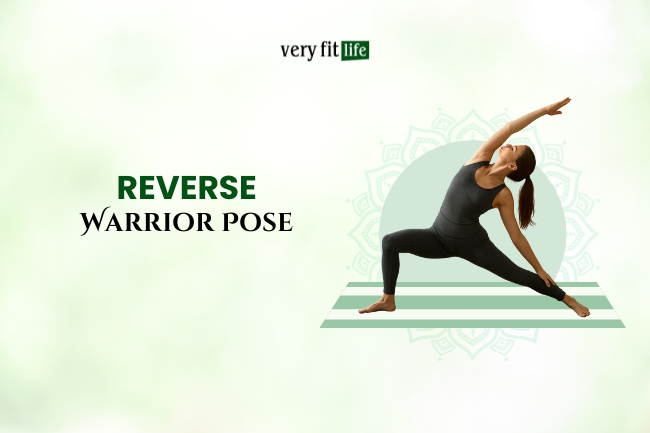
Reverse Warrior Pose, also known as Viparita Virabhadrasana, is a variation of the Warrior II pose. The word “Viparita” means “reverse” or “inverted,” and “Virabhadrasana” comes from a legendary warrior in Hindu mythology.
This pose reflects strength, resilience, and grace. While traditional Warrior Poses focus on forward energy and power, Reverse Warrior brings a sense of lift and openness to the heart and side body.
It’s a pose that invites both strength and fluidity, combining a strong foundation with a gentle backbend and side stretch.
Warm-Up Exercises
Before diving into Reverse Warrior, it’s important to prepare your body. Here are some gentle warm-ups to loosen the muscles and avoid injury:
- Cat-Cow Pose: Warms up the spine and prepares for gentle backbending.
- Side Stretches: Standing side bends help open the side body and rib cage.
- Low Lunge: Opens the hips and strengthens the legs.
- Warrior II Pose: Since Reverse Warrior is a variation, practicing Warrior II first helps set the base.
- Shoulder Rolls: Loosen the shoulders to ease into the reach of the upper arm.
Spending 5–10 minutes on these warm-ups will help you get the most out of Reverse Warrior.

How to Perform Reverse Warrior Pose
Follow these step-by-step instructions:
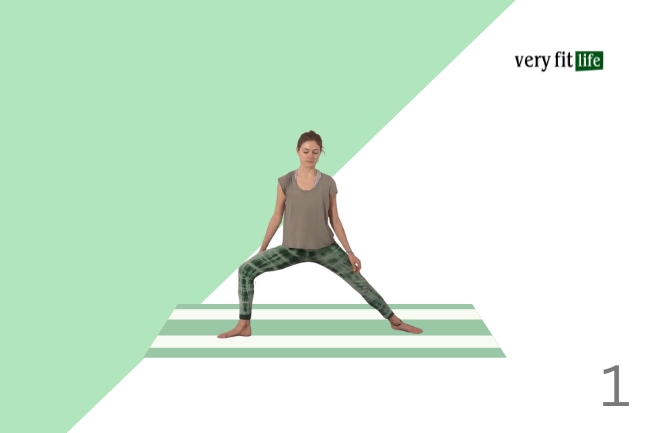
Start in Warrior II: Stand with your feet wide apart. Turn your right foot out 90 degrees and your left foot slightly inward.
Bend the Front Knee: Make sure your right knee is directly over your ankle.
Inhale and Reach Up: Lift your right arm toward the sky, palm facing inward.
Slide the Back Hand Down: Let your left hand rest lightly on your left thigh or calf.
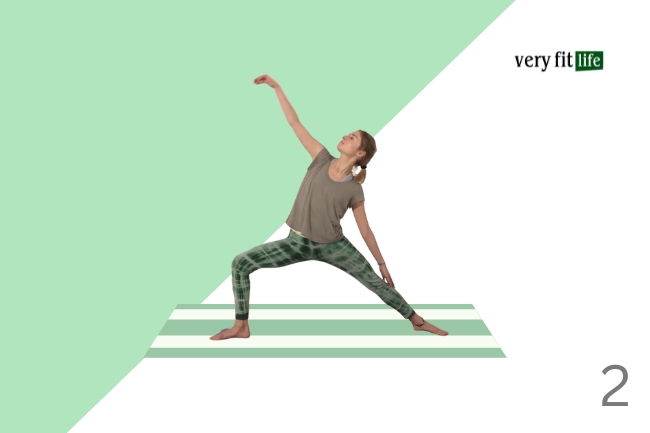
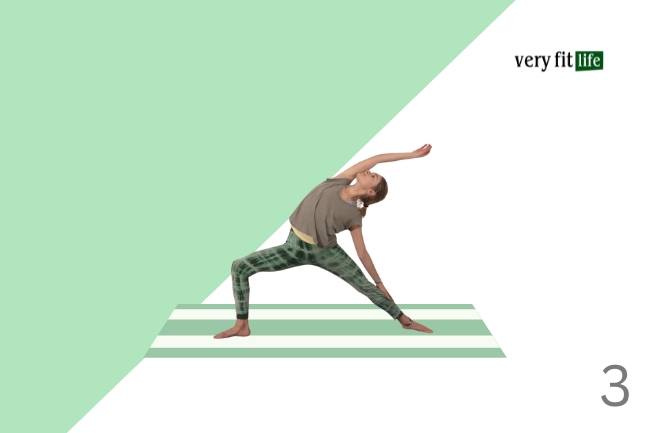
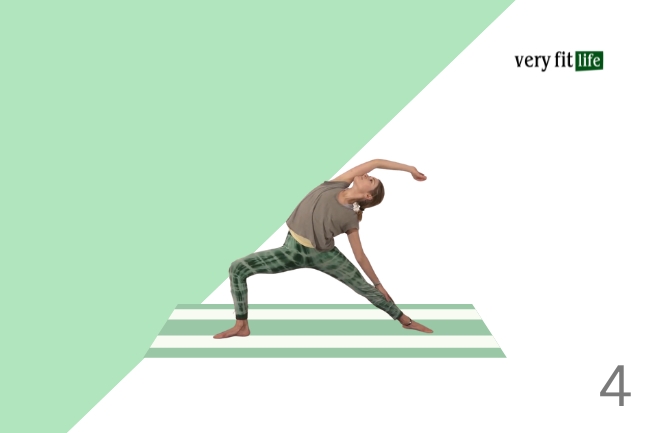
Lean Back Gently: Tilt your torso toward the back leg. Don’t collapse into the lower back—keep the core engaged.
Gaze Upward: Look toward your lifted hand or up to the ceiling.
Hold for 3–5 Breaths: Breathe deeply, feeling the stretch through the side body.
Return to Warrior II: On an inhale, come back to Warrior II and repeat on the other side.
Here’s a video that explains this yoga pose in more detail.
Physical Benefitsfmat
Reverse Warrior offers many benefits for your body:
- Opens the Hips: Helps stretch and strengthen the hip muscles.
- Lengthens the Side Body: Reduces tension in the rib cage and waist.
- Strengthens Legs and Core: Holding the lunge builds stability and endurance.
- Improves Posture: Encourages an upright spine and open chest.
- Increases Flexibility: Especially in the legs, hips, and shoulders.
Practicing this pose regularly can help build a strong and balanced body.
Mental Benefits
Beyond the physical, Reverse Warrior also supports mental clarity and calm:
- Boosts Confidence: The warrior stance builds inner strength and self-belief.
- Encourages Focus: Holding the pose demands attention and presence.
- Reduces Stress: The deep breathing and heart-opening stretch promote relaxation.
- Enhances Mind-Body Connection: Being mindful in this pose helps ground your awareness in the present moment.
- Releases Emotional Tension: Opening the chest can help release stored emotions.
This pose is not just a workout—it’s a mental recharge too.
Variations and Modifications
Reverse Warrior can be adjusted to fit every level of practitioner.
For Beginners:
- Keep the bend in the front knee shallow.
- Rest the back hand on your hip instead of the leg.
- Use a yoga block under the front thigh for support.
For Advanced Yogis:
- Deepen the front knee bend.
- Reach the back hand toward the back leg or calf.
- Add a gentle bind if shoulder mobility allows.
Chair Variation:
- For those with limited mobility, Reverse Warrior can also be seated in a chair.
Safety Precautions
To avoid injury or discomfort, follow these safety tips:
- Don’t Overbend the Knee: Keep the front knee above the ankle, not beyond it.
- Protect the Lower Back: Engage your core and avoid collapsing.
- Avoid Neck Strain: If looking up causes pain, gaze forward or down.
- Modify for Shoulder Pain: Keep the lifted arm at a lower angle or rest it on your hip.
- Consult a Doctor: If you have knee, hip, or spinal issues, ask your healthcare provider before trying the pose.
Always listen to your body—pain is not a part of yoga.
Final Words
As a yoga teacher, I’ve watched students bloom through the Reverse Warrior Pose. It teaches us to stay grounded while reaching for something higher—a perfect balance of strength and softness.
Whether you’re new to yoga or deep in your practice, this pose has something valuable to offer. With mindful movement, steady breath, and proper alignment, Reverse Warrior can become a favorite part of your yoga journey.
So the next time you step onto your mat, give this pose your full attention. You might just discover something powerful within yourself.
Source:
YogaEasy. (2020, November 6). Reverse warrior pose.
Fenton, C., & Fenton, C. (2024, February 6). 17 Cues for Reverse Warrior That You’ve Probably Never Heard Before. Yoga Journal.
Yoga International. (2016, June 22). Reverse warrior pose.