As a yoga teacher, I’ve had my fair share of challenges with complex poses, but Vatayanasana, or Horse Face Pose, stands out.
At first, it was uncomfortable—tight hips and shaky balance—but I stuck with it. With time, this pose brought me better posture, strength, and inner calm.
Many of my students feel stuck when trying to stretch their hips or improve balance. They get frustrated, and I completely understand—I was there too! That’s why I’m excited to share this guide.
If you’re looking to open your body and mind, Horse Face Pose might be exactly what you need.
What Does the Mean of Horse Face Pose?
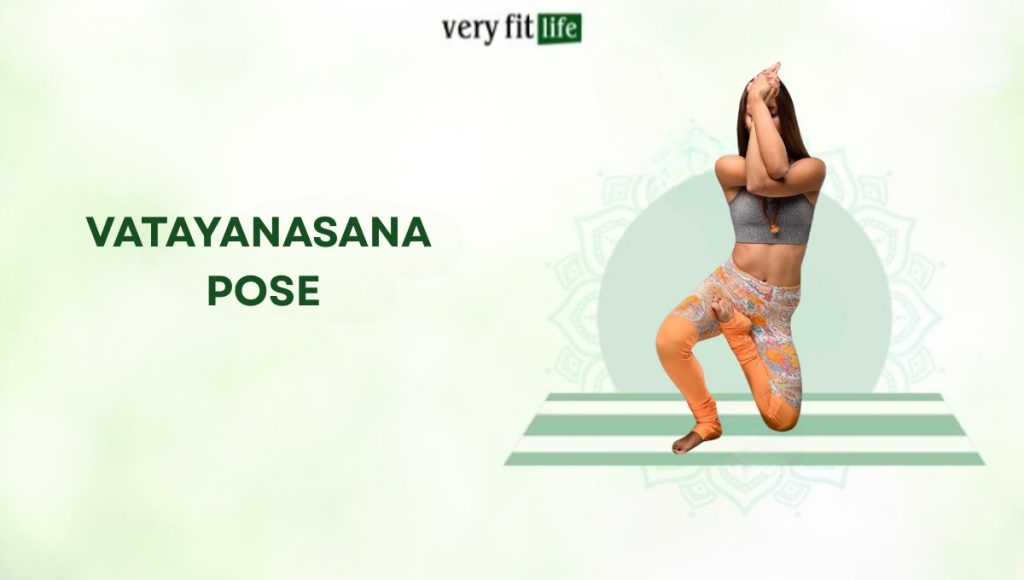
Vatayanasana comes from Sanskrit:
- Vata = horse
- Asana = pose or posture
When you perform it, your legs resemble the stance of a horse, strong and grounded. The upper body stays tall like the noble head of a horse.
This pose isn’t just about physical shape—it also symbolizes balance, strength, and grace, just like a horse.
Vatayanasana is often seen in advanced yoga practices. However, with the right steps and safety, anyone can begin working toward it.
It teaches patience and focus while giving your hips and thighs a deep stretch.
Warm-Up Exercises
Before doing Horse Face Pose, it’s important to warm up your hips, knees, and spine. These areas are deeply involved in this pose. Here are some beginner-friendly warm-ups:
Cat-Cow Stretch
Helps loosen the spine and improve breathing.
- Come to your hands and knees
- Inhale (cow): lift head and tailbone
- Exhale (cat): round your back and tuck chin
Low Lunge (Anjaneyasana)
In low lunge pose Open the hips gently.
- Step one foot forward, keep the other knee down
- Lean into the stretch and raise your arms
Seated Forward Bend (Paschimottanasana)
Warms up your hamstrings and lower back.
Butterfly Pose (Baddha Konasana)
Butterfly pose Brings gentle movement to the inner thighs and hips.
Warming up helps avoid injury and makes it easier to hold the Horse Face Pose comfortably.

How to Perform Vatayanasana (Horse Face Pose)
Follow these steps with care:
Start in a Kneeling Position
- Sit with your legs folded under you.
- Shift your weight slightly to the left.
Position the Legs
- Bring your right foot forward and place it flat on the ground.
- Tuck your left foot under your right thigh.
- Your right knee should be bent like you’re riding a horse.
Lift the Spine and Chest
- Sit tall, press the palms together at your heart or extend them upward.
- Keep your gaze forward or upward.
Hold and Breathe
- Hold for 15–30 seconds.
- Breathe deeply and focus on your balance.
Release Slowly
- Come back to a kneeling position.
- Repeat on the other side.
Tip: Use a block or cushion under your hip if you feel unstable.
Here’s a video that explains this yoga pose in more detail.
Physical Benefits
Horse Face Pose offers strong physical rewards:
- Hip Flexibility: Deeply opens the hip joints and groin area.
- Stronger Thighs and Knees: Builds strength in the quads and stabilizes the knees.
- Improves Posture: Teaches you to sit tall and keep the spine aligned.
- Joint Support: Enhances movement in the ankles, knees, and hips.
- Increases Balance: Builds better body awareness and stability.
This pose works both sides of the body, which helps bring better symmetry and muscle balance.
Mental Benefits
Horse Face Pose is not just about stretching—it’s a mind trainer too.
- Improves Focus: Holding the pose takes concentration.
- Calms the Mind: The deep breathing used during this pose helps reduce stress.
- Boosts Confidence: It’s a tough pose—mastering it gives you a mental win.
- Teaches Patience: You can’t rush into it. The process teaches calm progress.
Many of my students say they feel emotionally lighter and more peaceful after working on Vatayanasana. It truly connects the body and the mind.
Variations and Modifications
Not ready for the full pose yet? That’s okay! Try these easier versions:
Use a Wall or Chair
- Hold on to a chair or wall to keep your balance.
Place a Block Under the Hip
- Helps if your hips don’t reach the floor yet.
Keep the Bottom Leg Extended
- Instead of folding the bottom leg, keep it straight and rest it on the mat.
Arms in Prayer Position
- Instead of raising your arms, keep hands in prayer at your chest for better balance.
Advanced yogis can add a twist or bind the arms for an extra challenge.
Safety Precautions
Vatayanasana is a rewarding pose, but it comes with risks if done wrong. Follow these safety tips:
- Avoid if you have knee injuries
The twisting motion puts pressure on the knees. - Use Props
Blocks, straps, and cushions are your friends. - Warm Up Properly
Never jump into this pose with cold muscles. - Listen to Your Body
If it hurts, stop. A little stretch is okay—sharp pain is not. - Consult a Teacher
If you’re unsure, ask a certified yoga teacher for help.
Final Words
Vatayanasana, or Horse Face Pose, might look strange at first, but it holds so many rewards inside.
As someone who’s felt frustrated and stiff, I can say this pose has helped me become more open—not just in my hips but also in my mind.
Whether you’re looking to boost your flexibility, stand taller, or find a peaceful focus, this pose has something for you.
Don’t worry if you can’t get it perfect right away. Stay patient, breathe, and enjoy the journey.
With practice and care, Vatayanasana will help you feel grounded like a horse—calm, powerful, and full of grace.
Sources:
Newell, Z. (2017, August 26). Vatayanasana (Horse face pose): Exploring the mythology.
Heggs, L. (2023, December 4). Exploring the awesomeness of horse face pose (Ever heard of it?). DoYou.
Wellness, Y. (2022, March 2). Vatayanasana(Horse faced pose) : Benefits, Method, Precautions, Modificatio.