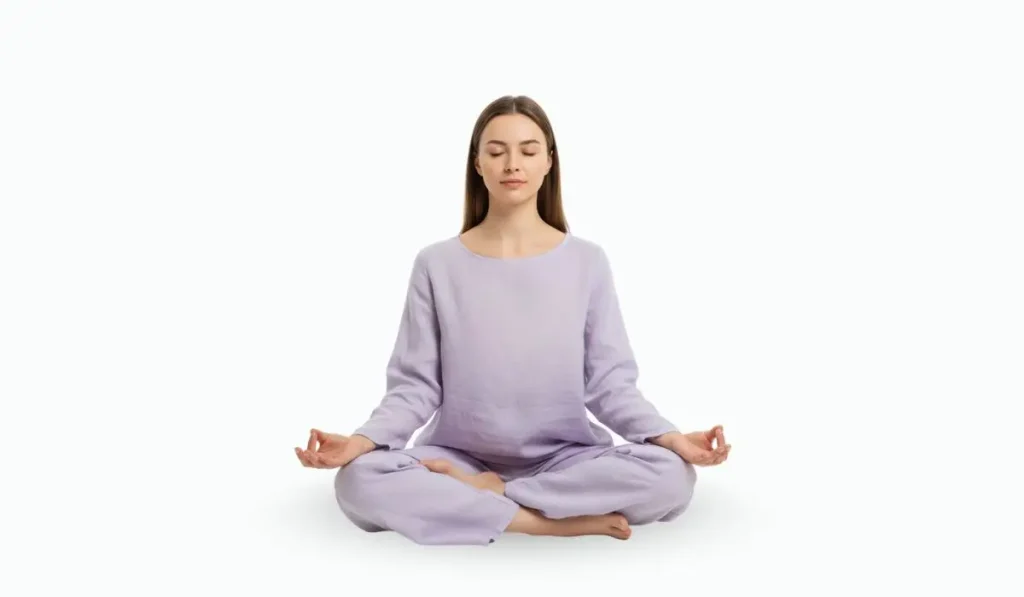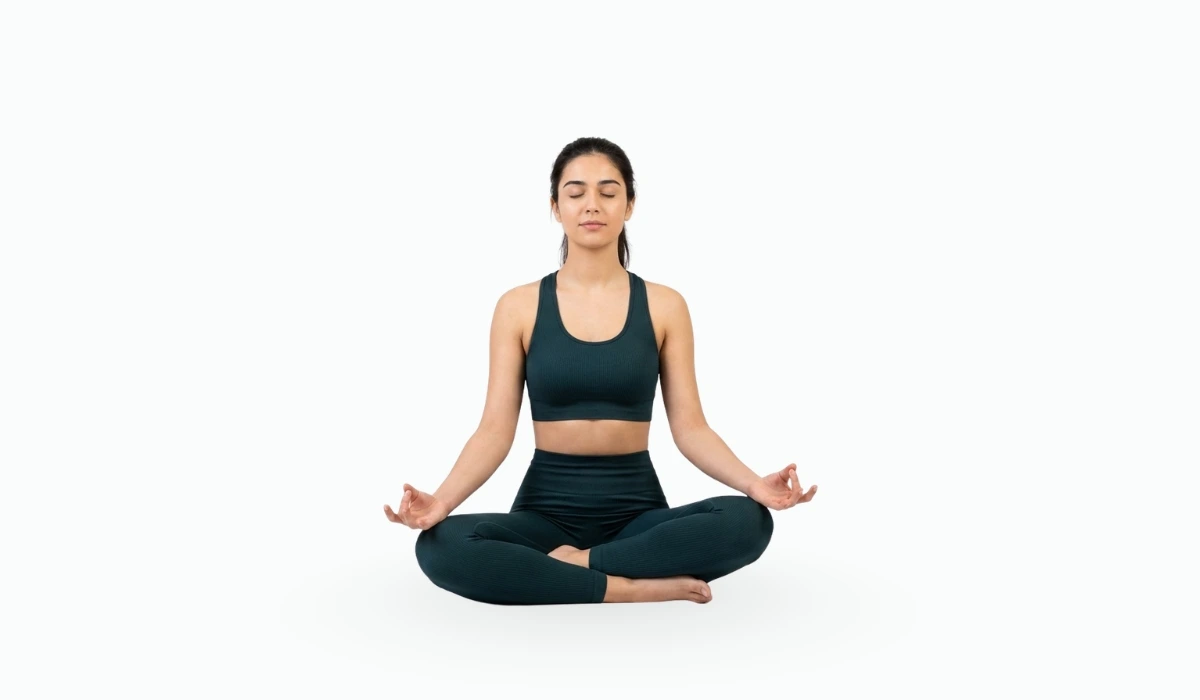
Chinmaya Mudra is a simple yet powerful hand gesture used in yoga and meditation. The word “Chinmaya” means full of knowledge or awareness, and “Mudra” means gesture or seal. This mudra helps improve breathing, focus, and inner calm.
It is often practiced during pranayama and meditation. Chinmaya Mudra is easy to learn and safe for beginners. It connects the body and mind through conscious breathing. With regular practice, it may help reduce stress and improve concentration.
Many yoga teachers include this mudra in daily practice because it supports both physical health and mental clarity.
What Is Chinmaya Mudra?

Chinmaya Mudra is a hand gesture where the thumb and index finger touch, while the other fingers are folded into the palm. It is similar to Chin Mudra, but with a small difference in finger position.
In this mudra:
- The thumb represents universal energy.
- The index finger represents individual consciousness.
- The folded fingers symbolize letting go of ego and distractions.
This mudra is commonly used in seated meditation.
Meaning of the Word “Chinmaya”
The word “Chinmaya” comes from Sanskrit and means:
- Full of awareness
- Filled with knowledge
- Pure consciousness
It represents wisdom and inner understanding.
How to Perform Chinmaya Mudra (Step by Step)
Step 1: Sit Comfortably
Step 2: Form the Mudra
- Touch the tip of your thumb and index finger together.
- Fold the remaining three fingers into your palm.
- Keep the hands relaxed.
Step 3: Hand Placement
- Place hands on your knees.
- Keep palms facing upward.
Step 4: Focus on Breathing
- Close your eyes.
- Take slow and deep breaths.
- Practice for 5–15 minutes.
Difference Between Chin Mudra and Chinmaya Mudra
| Chin Mudra | Chinmaya Mudra |
| Other three fingers are straight | Other three fingers are folded |
| Promotes open energy | Promotes internal awareness |
| Used in meditation | Often used in pranayama |
Both mudras are helpful but have slightly different effects.
Benefits of Chinmaya Mudra
1. Improves Breathing
This mudra supports better chest breathing and lung expansion.
2. Enhances Focus
It helps the mind stay calm and attentive.
3. Reduces Stress
Slow breathing with this mudra relaxes the nervous system.
4. Improves Mental Clarity
It may help improve memory and concentration.
5. Supports Meditation
It creates a balanced and peaceful mental state.
Chinmaya Mudra and Breathing
Chinmaya Mudra is often practiced during pranayama exercises. It helps expand the rib cage and improve breathing awareness.
When practiced with deep breathing:
- Oxygen supply improves
- Mind becomes calm
- Body feels relaxed
Breathing slowly is the key.
Best Time to Practice
- Early morning
- During meditation
- Before sleep
- During pranayama practice
It can be practiced anytime you need calmness.
How Long Should You Practice?
- Beginners: 5 minutes
- Intermediate: 10–15 minutes
- Advanced: 20 minutes
Regular practice gives better results.
Who Can Practice Chinmaya Mudra?
- Beginners
- Students
- Office workers
- Meditation practitioners
- Elderly people
It is simple and generally safe for most people.
Precautions
Chinmaya Mudra is very safe, but:
- Do not strain your fingers.
- Keep hands relaxed.
- Avoid slouching while sitting.
Comfort is important.
Chinmaya Mudra and Energy Flow
In yoga philosophy, fingers represent different elements:
- Thumb – Fire
- Index finger – Air
- Middle finger – Space
- Ring finger – Earth
- Little finger – Water
By touching thumb and index finger, this mudra balances air and fire elements. This balance supports calm thinking and inner awareness.
Scientific View
Slow breathing and relaxed hand gestures may activate the parasympathetic nervous system. This system helps the body rest and relax.
Benefits may include:
- Lower heart rate
- Reduced anxiety
- Better oxygen flow
Modern research supports mindful breathing practices for stress reduction.
Common Mistakes
- Pressing fingers too tightly
- Sitting with bent back
- Breathing too fast
- Practicing without focus
Keep everything gentle and natural.
Tips for Better Practice
- Practice in a quiet place
- Combine with deep breathing
- Keep eyes closed
- Stay consistent
Even 5 minutes daily can make a difference.
Spiritual Importance
Chinmaya Mudra is believed to represent the connection between individual soul and universal energy. It reminds practitioners that true knowledge comes from within.
During meditation, this mudra helps turn awareness inward. Over time, it may deepen spiritual understanding.
Conclusion
Chinmaya Mudra is a simple yet meaningful hand gesture used in yoga and meditation. It supports better breathing, improves focus, and reduces stress. Easy to practice and safe for beginners, it can be included in daily meditation or pranayama sessions.
With regular practice, Chinmaya Mudra helps create mental clarity and inner calm. Though small in appearance, this mudra carries deep meaning and powerful benefits. By practicing it consistently and mindfully, one can improve both physical relaxation and mental awareness.
Sources:
Sharma, D. (2024, February 15). Chinmaya Mudra: Meaning, Benefits & How to Do | Siddhi Yoga. Siddhi Yoga.
Utermoehl, J. (2024, July 19). Chinmaya Mudra – Gesture of Embodied Knowledge. Asivana Yoga.
JenYoga. (2026, February 3). Chinmaya Mudra. Jennifer Reis Yoga.
Popović, S., & Popović, S. (2023, March 24). Chinmaya Mudra. Yogajala.