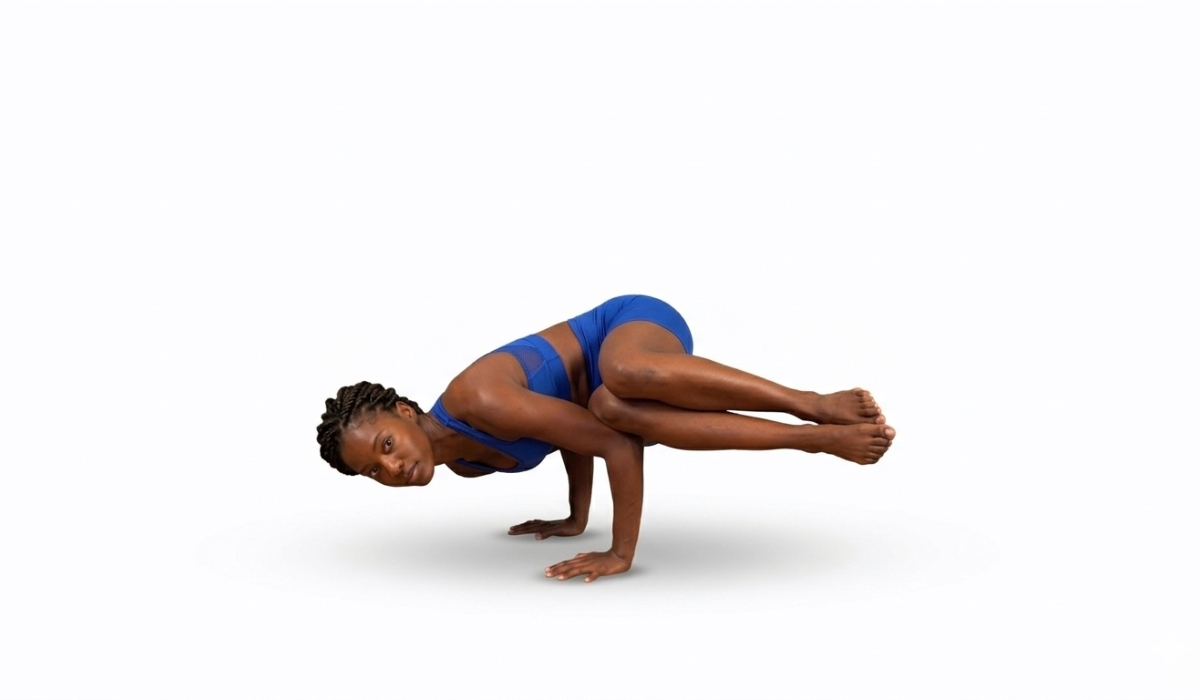
Parsva Bakasana, also known as Side Crow Pose, is an advanced arm-balancing yoga posture. The word “Parsva” means side, and “Bakasana” means crow pose. In this pose, the body twists to one side while balancing on the hands.
Parsva Bakasana requires strength, balance, and focus. It strengthens the arms, wrists, and core muscles while improving flexibility in the spine. This pose also helps develop concentration and body awareness.
Although it may look difficult at first, regular practice can make it easier. With patience and proper technique, Parsva Bakasana can become a powerful part of your yoga routine.
Meaning of Parsva Bakasana
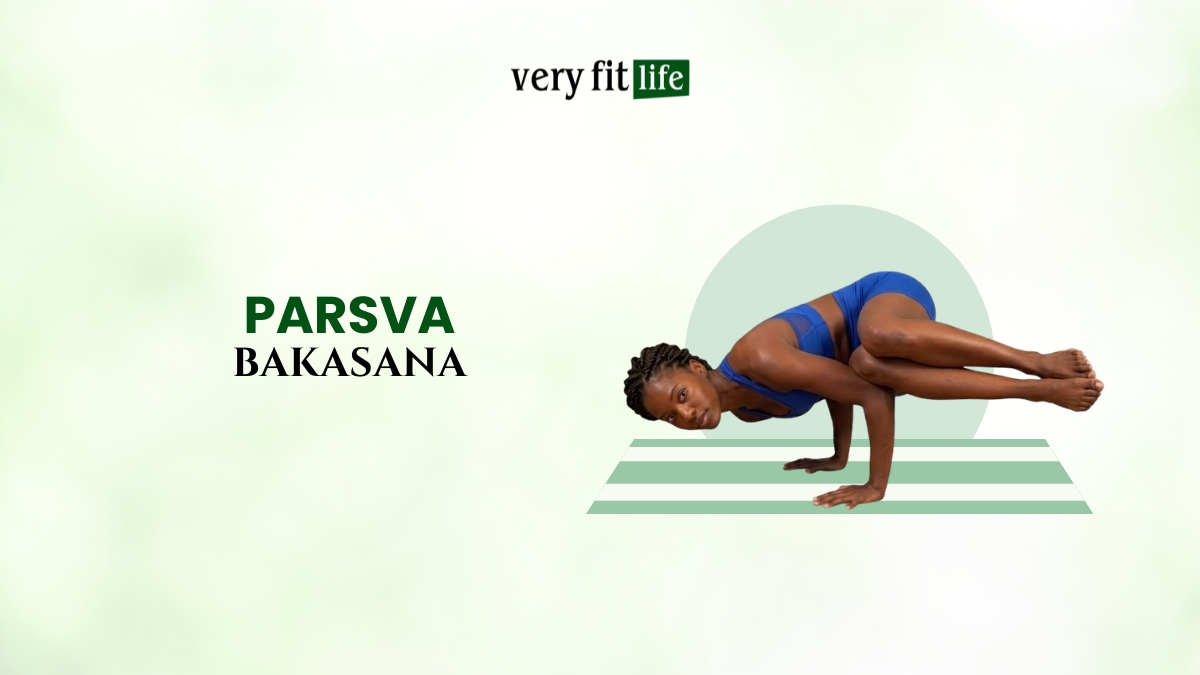
The name comes from Sanskrit:
- Parsva – Side
- Baka – Crow
- Asana – Pose
The posture looks like a crow balancing sideways on the arms, symbolizing focus, stability, and control.
How to Perform Parsva Bakasana (Step by Step)
Step 1: Start in Squat Position
- Begin in a low squat (Malasana).
- Keep your feet close together.
- Place your hands on the floor in front of you.
Step 2: Twist the Body
- Twist your torso to one side.
- Place both knees on the outside of one upper arm.
Step 3: Position the Hands
- Keep your palms flat on the floor.
- Spread your fingers for better balance.
Step 4: Shift Your Weight
- Lean forward slowly.
- Transfer your weight onto your hands.
Step 5: Lift the Feet
- Gently lift your feet off the ground.
- Balance your body on your arms.
Step 6: Hold the Pose
- Keep your core engaged.
- Maintain steady breathing.
- Hold for a few seconds.
Step 7: Release and Repeat
- Slowly lower your feet back to the floor.
- Repeat on the other side.
Benefits of Parsva Bakasana
1. Strengthens the Arms
This pose builds strength in the wrists, arms, and shoulders.
2. Improves Core Strength
The abdominal muscles help maintain balance.
3. Enhances Balance and Coordination
Balancing on the hands improves stability.
4. Increases Spine Flexibility
The twisting motion stretches the spine.
5. Supports Digestion
The twist may stimulate abdominal organs.
Best Time to Practice
Parsva Bakasana is best practiced:
- In the morning
- On an empty stomach
- After a proper warm-up
It is often included in intermediate or advanced yoga sessions.
Duration of the Pose
- Beginners: 5–10 seconds
- Intermediate: 15–20 seconds
- Advanced: 30 seconds or more
Repeat 2–3 times on each side.
Who Can Practice Parsva Bakasana?
This pose is suitable for:
- Intermediate and advanced practitioners
- People with good arm strength
- Those experienced with basic arm balances
Beginners should practice under guidance.
Preparatory Poses
Before attempting Parsva Bakasana, practice:
- Crow Pose (Bakasana)
- Plank Pose
- Twisting poses (Seated Twist)
- Squat Pose (Malasana)
These help build strength and flexibility.
Precautions
Avoid this pose if you have:
- Wrist injuries
- Shoulder pain
- Lower back problems
Always warm up before practicing.
Common Mistakes
- Not engaging the core
- Placing knees incorrectly
- Leaning too fast
- Holding the breath
Practice slowly and maintain control.
Tips for Beginners
- Start with basic Crow Pose
- Practice twisting movements
- Use a cushion in front for safety
- Focus on balance and breathing
Progress gradually.
Mental and Emotional Benefits
Parsva Bakasana improves focus and mental strength. Balancing poses help calm the mind and increase awareness.
Regular practice may:
- Improve concentration
- Build confidence
- Reduce stress
- Strengthen mind-body connection
Conclusion
Parsva Bakasana is a powerful yoga pose that combines strength, balance, and flexibility. It strengthens the arms and core while improving coordination and focus.
Although it may seem challenging at first, regular practice can help you master it over time. By practicing safely and maintaining proper breathing, you can enjoy its many benefits. Parsva Bakasana is a great addition to an advanced yoga routine and helps develop both physical strength and mental stability.
Sources:
Crandell, J. (2024, May 29). Essential sequence: Parsva Bakasana (Side Crow). Jason Crandell Yoga Method.
Yoga Journal. (2026, March 8). Side crow pose | Side crane pose.
Jorich, E. (2018, November 30). Parsva Bakasana – Side Crow — Erin Jorich Yoga. Erin Jorich Yoga.
YogaRenew. (2025, October 7). How to side Crow (Parsva Bakasana) – arm balance.