Have you ever felt mentally exhausted even after a full night’s sleep? I used to struggle with low energy, brain fog, and emotional burnout—until I embraced Kapalabhati Pranayama.
As a certified yoga teacher with over a decade of experience guiding students, I’ve personally felt the incredible transformation this breathing practice offers.
Content Navigator
ToggleIt’s not just a way to boost energy—it’s a tool to cleanse the body, sharpen the mind, and uplift the spirit.
In this article, I’ll walk you through everything you need to know about Kapalabhati Pranayama, based on both ancient knowledge and my real-world practice experience.
What Does the Kapalabhati Pranayama Mean?
Kapalabhati is a Sanskrit term that breaks down into two words: “Kapala” meaning “skull” and “Bhati” meaning “shining” or “illuminating.”
So, Kapalabhati literally means “Skull Shining Breath.” It’s a type of cleansing kriya and an advanced form of pranayama (breathing technique) used in yoga.
Traditionally, it is said to cleanse the sinuses, brain, and lungs, leaving the practitioner with a sense of clarity and lightness. In yogic texts, it is known to awaken internal energy and prepare the mind for deeper meditative states.
What is the Anatomy of Kapalabhati Pranayama?
Kapalabhati involves rapid, forceful exhalations driven by the abdominal muscles, while inhalation is passive. Here’s how it works anatomically:
- Primary Muscles Involved: The rectus abdominis, transverse abdominis, and diaphragm are the core muscles used.
- Respiratory Focus: It stimulates the lower lungs and increases carbon dioxide expulsion.
- Nervous System Impact: The breath pattern triggers the sympathetic nervous system, increasing alertness while later promoting parasympathetic balance for calm.
This practice also engages the pelvic floor muscles and influences the vagus nerve, which plays a key role in emotional regulation and gut health.
How to Perform Kapalabhati Pranayama
Here’s a step-by-step guide:
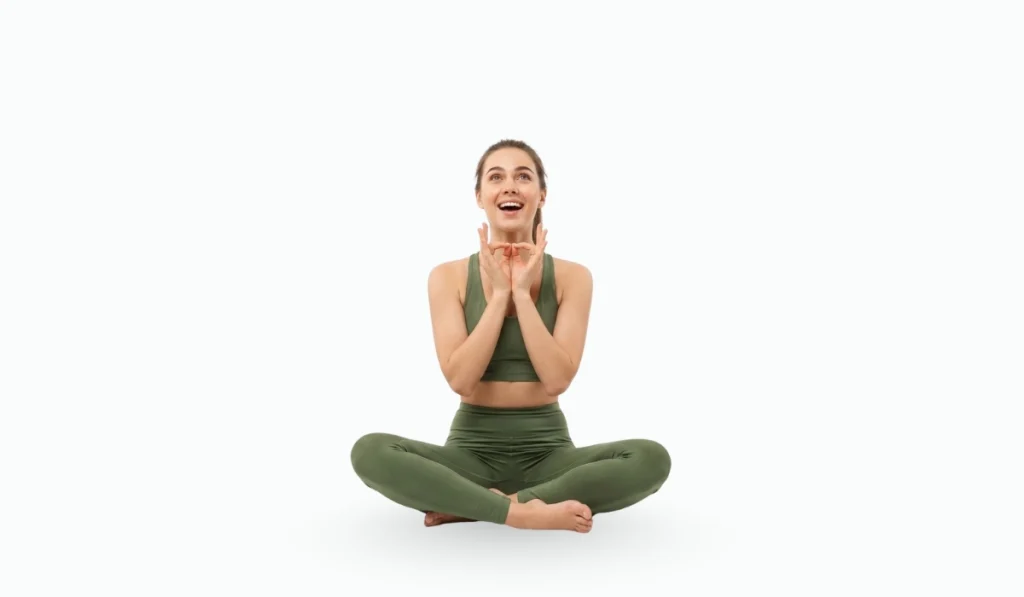
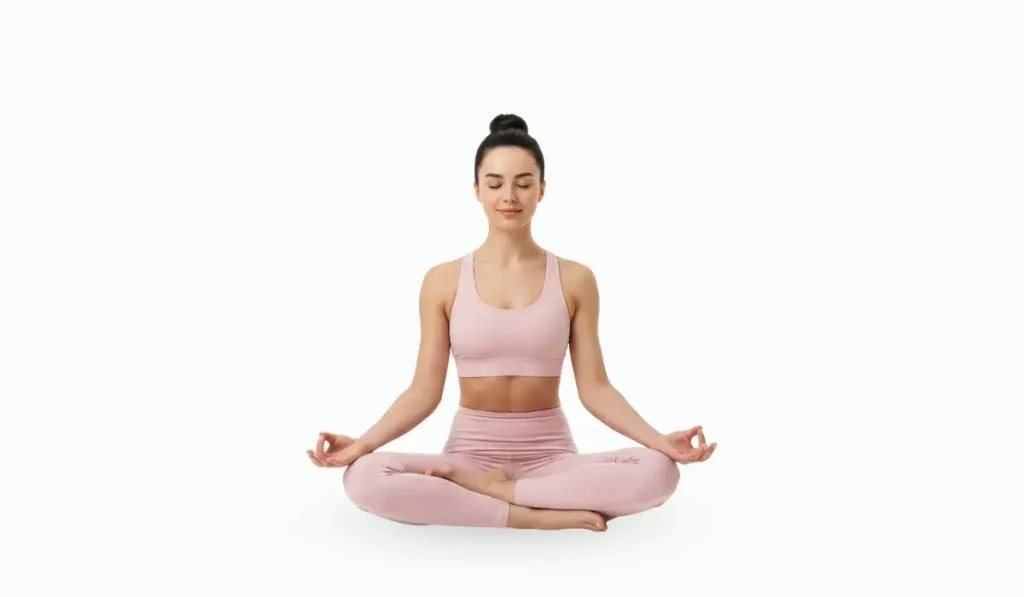
- Posture: Sit in a comfortable position like Padmasana (lotus pose) or Sukhasana (easy pose). Keep your spine straight and shoulders relaxed.
- Inhale Gently: Take a normal breath in through the nose.
- Forceful Exhale: Contract your abdominal muscles to push the air out through your nose. The breath should be sharp and quick.
- Passive Inhale: Allow your lungs to fill naturally without effort.
- Repeat: Start with 30 strokes, rest, and gradually increase to 60 or 100 with practice.
Duration: Begin with 1-2 rounds and increase gradually as your body adapts.
Here’s a video that explains this yoga pose in more detail.
Benefits of Kapalabhati Pranayama
Physical Benefits
- Boosts metabolism: By activating core muscles and oxygenating the body.
- Improves digestion: Massages internal organs like liver, pancreas, and intestines.
- Enhances lung capacity: Promotes efficient oxygen-carbon dioxide exchange.
- Strengthens abdominal muscles: Regular practice tones the core.
Mental Benefits
- Sharpens focus: Enhances memory and attention span.
- Increases alertness: A natural energy booster without caffeine.
- Clears mental fog: Improves clarity and decision-making ability.
Health Benefits
- Detoxifies the body: Aids in removing carbon dioxide and other toxins.
- Improves blood circulation: Especially in the brain and upper respiratory tract.
- Supports weight loss: Through better metabolism and fat burning.
- Balances hormones: Helps regulate thyroid and adrenal gland function.
Spiritual Benefits
- Activates chakras: Especially the third eye (Ajna) and solar plexus (Manipura) chakras.
- Enhances meditation: Clears the mind for deeper spiritual connection.
- Promotes inner peace: Releases pent-up emotional stress and anxiety.
Variations and Modifications
While the traditional Kapalabhati is powerful, you can modify it depending on your level:
- Beginners: Start with 15-20 strokes per round, rest between sets.
- Advanced Practitioners: Add internal breath retention (Antar Kumbhaka) after each round.
- Sensitive Individuals: Use softer exhalations if you have high blood pressure or are pregnant (with your doctor’s advice).
You can also perform Kapalabhati lying down (supine variation) if sitting is uncomfortable.
Expert Insights and Recommendations
As a teacher, I recommend practicing Kapalabhati on an empty stomach, ideally in the morning. This enhances the cleansing effect and energizes the body for the day.
From a therapeutic perspective:
- Asthma patients may benefit, but must proceed under professional supervision.
- Students and working professionals have reported improved productivity and reduced stress after consistent practice.
I also advise my students to combine Kapalabhati with Anulom Vilom and Bhramari Pranayama for a balanced nervous system and emotional well-being.
Safety Precautions
- Avoid if pregnant, or if you suffer from heart disease, high blood pressure, hernia, or recent abdominal surgery.
- Never practice after meals—wait at least 3 hours.
- If you feel dizzy, stop immediately and rest.
- Always consult your healthcare provider if you have any pre-existing health conditions.
It’s essential to start slow and increase gradually under the guidance of a qualified instructor.
Final Words
Kapalabhati Pranayama is much more than just a breathing exercise—it’s a tool for cleansing, transformation, and empowerment.
Whether you’re seeking physical health, mental clarity, or spiritual upliftment, this practice can become a powerful part of your daily routine.
From my own experience and the experiences of hundreds of students I’ve taught, the glow (the “shining skull”) is not just metaphorical—it’s real. Begin gently, stay consistent, and let your breath be your guide toward a brighter you.
FAQs
Q1: Can beginners do Kapalabhati?
Yes, beginners can start with 15-20 strokes per round under proper guidance.
Q2: How many times should I do Kapalabhati a day?
Once or twice daily, preferably on an empty stomach.
Q3: Can I do Kapalabhati during pregnancy?
No. It is not recommended during pregnancy.
Q4: What’s the difference between Kapalabhati and Bhastrika?
Kapalabhati has forceful exhalation and passive inhalation, while Bhastrika involves both forceful inhalation and exhalation.
Q5: When will I see results?
Some people feel energized right after the first session. For deeper benefits, practice consistently for a few weeks.
Sources:
Banyan Botanicals. (2024, April 26). Kapalabhati Pranayama.
Sovik, R. (2015, November 19). Learn kapalabhati (Skull shining breath).
Cap, J. D. D. (2022, April 18). Kapalabhati Pranayama: a breathing practice for balancing blood sugar and boosting brainpower. John Douillard’s LifeSpa.
Tran, P. (2023, November 11). How to practice kapalabhati pranayama in yoga. EverydayYoga.com.