A good night’s sleep is one of the best gifts we can give our body and mind. But in today’s busy world, many people struggle to fall asleep or stay asleep. Stress, anxiety, and screen time often make our minds restless. The result? Fatigue, poor focus, and mood swings the next day.
Yoga offers a natural and effective way to improve sleep quality. It calms the mind, relaxes the body, and balances the nervous system. Over the past decade, scientists have studied how yoga affects sleep—and the results are impressive.
Content Navigator
ToggleIn this article, we’ll look at how yoga helps you sleep better and what modern research says about its benefits.
Why Sleep Is So Important
Sleep is not just rest—it’s a healing process. During sleep, the body repairs tissues, restores energy, and clears waste from the brain. The brain also strengthens memories and balances hormones.
Lack of sleep, on the other hand, can cause:
- Weakened immune system
- Poor focus and memory
- Anxiety and irritability
- Weight gain and hormonal imbalance
Experts recommend 7–9 hours of quality sleep each night. But for many, that’s hard to achieve—this is where yoga can help.
How Yoga Improves Sleep
Yoga works on both the body and the mind, creating deep relaxation and balance. Here’s how:
1. Reduces Stress and Anxiety
Stress is one of the biggest enemies of sleep. Yoga lowers the levels of cortisol, the main stress hormone, and activates the parasympathetic nervous system, also known as the “rest and digest” mode.
When you practice yoga, your heart rate slows, breathing deepens, and your mind quiets down—all of which help prepare your body for sleep.
2. Balances Hormones
Yoga helps regulate hormones that affect sleep, such as melatonin, which controls your sleep-wake cycle. Studies show that people who practice yoga regularly have higher nighttime melatonin levels, helping them fall asleep faster and sleep more deeply.
3. Calms the Nervous System
Gentle yoga poses and slow breathing signal the brain that it’s time to relax. This calms the nervous system, reduces tension in the muscles, and creates a sense of peace—ideal conditions for sound sleep.
4. Improves Breathing and Oxygen Flow
Deep breathing (pranayama) increases oxygen flow to the brain, promoting relaxation. This reduces mental chatter, making it easier to drift into sleep.
Research Findings: Yoga and Sleep Quality
1. Harvard Medical School Study (2015)
A study from Harvard found that adults who practiced yoga daily for eight weeks reported significant improvements in sleep quality, sleep duration, and daytime energy. Participants also experienced less stress and anxiety.
2. National Center for Complementary and Integrative Health (NCCIH, 2020)
This study showed that yoga can help people with insomnia—especially those who have trouble staying asleep. The researchers found that yoga reduced sleep latency (the time it takes to fall asleep) and improved sleep efficiency (how much of the night is spent sleeping).
3. University of California (2021)
Researchers discovered that yoga increases gamma-aminobutyric acid (GABA) levels in the brain. GABA is a chemical that helps calm brain activity, leading to better relaxation and deeper sleep.
4. Indian Journal of Physiology (2019)
A study on middle-aged adults found that practicing yoga for just 30 minutes daily over six weeks led to better sleep patterns, reduced stress, and improved mood stability.
These studies prove that yoga isn’t just relaxing—it actually changes how the brain and body function, leading to more restful sleep.
Best Yoga Poses for Better Sleep
Here are some gentle yoga poses that prepare your body and mind for a peaceful night:
1. Child’s Pose (Balasana)
This pose calms the nervous system and relieves tension in the back and shoulders. It helps quiet the mind before sleep.
2. Legs-Up-the-Wall Pose (Viparita Karani)
This relaxing pose improves blood circulation and helps the body shift from activity to rest.
3. Cat-Cow Stretch (Marjaryasana-Bitilasana)
Gentle movements of the spine release tightness and bring balance to your breathing rhythm.
4. Seated Forward Bend (Paschimottanasana)
This pose reduces fatigue and helps release stress from the lower back, promoting calmness.
5. Corpse Pose (Shavasana)
This is the final relaxation pose in yoga. Lying still while focusing on the breath signals your body that it’s time to rest.
Breathing Techniques for Relaxation
Yoga breathing exercises, known as pranayama, are excellent for preparing the mind for sleep.
1. Alternate Nostril Breathing (Nadi Shodhana)
Balances both sides of the brain and promotes mental peace.
2. 4-7-8 Breathing Technique
Inhale for 4 seconds, hold for 7, exhale for 8. This pattern lowers heart rate and induces sleep naturally.
3. Bhramari (Bee Breath)
Makes a gentle humming sound while exhaling, which vibrates through the head and soothes the brain.
Meditation and Mindfulness Before Bed
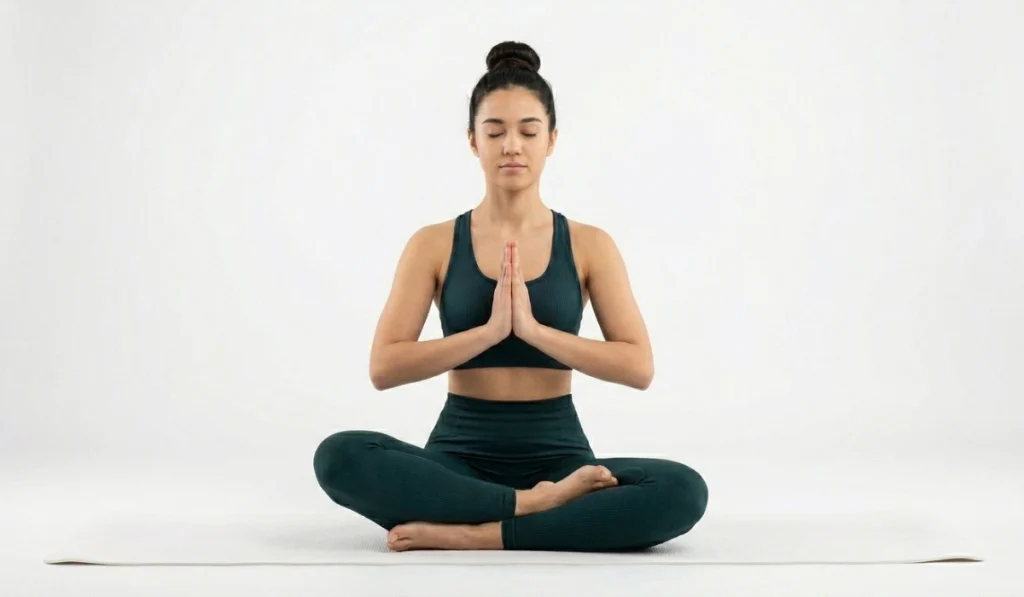
Meditation is another powerful yoga practice for improving sleep. By focusing on your breath or a calming mantra, you slow down mental activity and release daily stress.
Research shows that mindfulness meditation increases melatonin production and decreases racing thoughts, two of the biggest barriers to quality sleep.
Try this short bedtime meditation:
- Sit or lie down comfortably.
- Close your eyes and take slow, deep breaths.
- Focus on your breathing and let go of any tension.
- Continue for 5–10 minutes before bed.
Yoga and Sleep Disorders
Yoga has been shown to help people with sleep disorders such as insomnia and sleep apnea.
- For insomnia, yoga promotes relaxation and helps the body naturally release melatonin.
- For sleep apnea, yoga strengthens the respiratory system and improves breathing patterns.
- For restless sleep, yoga helps relax muscles and reduce nighttime awakenings.
Regular yoga practice improves sleep not just for a night or two—but in the long term.
Tips for Practicing Yoga for Better Sleep
- Avoid vigorous poses close to bedtime. Stick to slow, gentle stretches.
- Practice in dim light to signal the brain it’s time to rest.
- Use calm music or nature sounds to relax your mind.
- Maintain a routine—doing yoga at the same time every evening improves sleep habits.
- End with meditation or gratitude to bring peace before sleep.
Conclusion
Yoga is a natural, side-effect-free way to improve your sleep quality. It relaxes your mind, calms your body, and prepares your nervous system for deep rest. Scientific research supports that regular yoga practice enhances melatonin levels, lowers stress, and improves sleep patterns.
Whether you do a few simple poses, breathing exercises, or a short meditation, yoga can help you fall asleep faster and wake up feeling refreshed.
So tonight, instead of reaching for your phone or watching TV, spend 15 minutes on your yoga mat. You might just find that your best sleep ever begins with your next deep breath.
Sources:
Summer, J. V., & Summer, J. V. (2024, February 27). Yoga Nidra for sleep. Sleep Foundation.
Yu, C., & Tae, T. (2025, March 24). A 10-Minute evening yoga routine for better sleep. The New York Times.
Peloton, T. (2024, May 1). Tossing and turning at night? Try these 5 yoga poses before bedtime.