Feeling overheated, anxious, or mentally foggy? I’ve been there—especially during intense summer days or post-workout fatigue.
As a yoga teacher with years of experience guiding students through various breathwork techniques, I often turn to Sitali Pranayama for its calming and cooling effects.
Content Navigator
ToggleThis breathing technique has not only helped me manage physical heat and emotional stress but has also supported my students in finding balance and clarity.
Backed by ancient yogic traditions and modern wellness science, Sitali is a simple yet powerful tool to reset your nervous system and restore inner peace—naturally and effectively.
What Does the Sitali Pranayama Mean?
The word Sitali comes from the Sanskrit root “Sheetal,” which means “cooling” or “soothing.”
Pranayama refers to the practice of controlling the breath—“prana” meaning life force and “ayama” meaning expansion or control.
Put together, Sitali Pranayama is known as the Cooling Breath, designed to reduce excess body heat and bring a calming sensation to the mind and body.
This technique is especially useful in hot climates or when the mind is running too fast. It’s traditionally practiced in Hatha Yoga and is widely recognized for its restorative and therapeutic effects.
What is the Anatomy of Sitali Pranayama?
Understanding the anatomical process behind Sitali gives us insight into why it works so well.
When you inhale through a curled tongue or through pursed lips (if you can’t curl your tongue), you draw air directly over the moist surfaces in your mouth. This cools the breath before it enters the lungs.
Here’s what happens anatomically:
- Respiratory System: Cools the airflow before it enters the lungs.
- Autonomic Nervous System: Activates the parasympathetic nervous system, which promotes relaxation.
- Digestive Organs: Helps reduce excess heat in the stomach and liver.
- Circulatory System: Supports blood pressure regulation by calming the cardiovascular response.
This combination creates a full-body cooling and calming effect, down to the cellular level.
How to Perform Sitali Pranayama
Follow these simple steps to safely perform Sitali Pranayama:
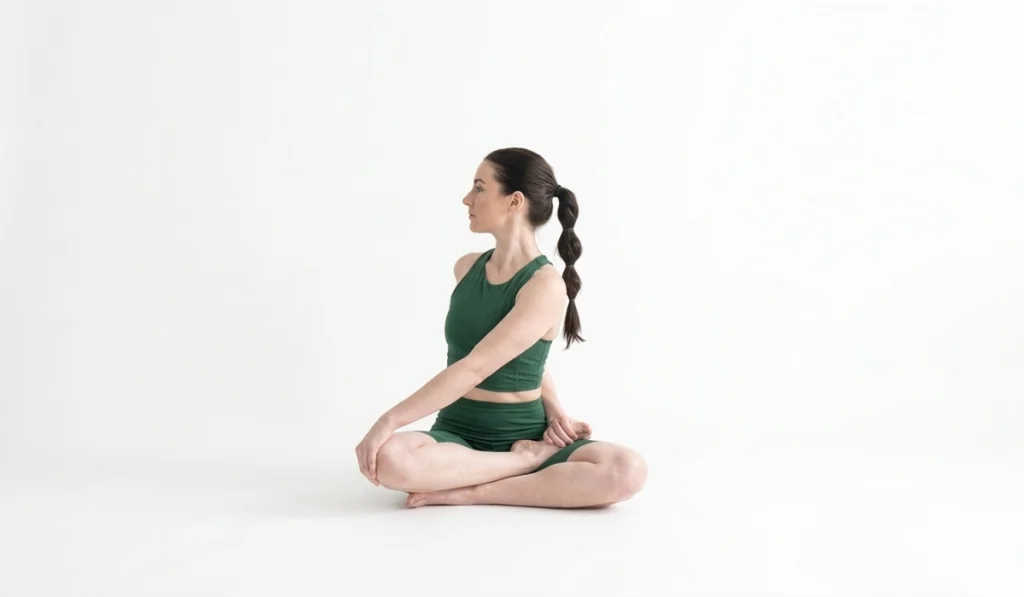
- Sit Comfortably: Find a relaxed seated position—cross-legged, on a cushion, or in a chair with a straight spine.
- Prepare the Tongue: Curl your tongue lengthwise (like a tube). If you can’t curl your tongue, purse your lips like you’re sipping through a straw (this is a common and effective variation).
- Inhale: Breathe in slowly and deeply through your curled tongue or pursed lips. Feel the cool air entering.
- Close the Mouth: After inhaling, close your mouth and hold the breath for 3–5 seconds (or as comfortable).
- Exhale Through the Nose: Slowly exhale through your nose.
- Repeat: Continue for 5 to 10 rounds, gradually increasing up to 5 minutes.
Tip: Practice in a quiet space and preferably on an empty stomach.
Here’s a video that explains this yoga pose in more detail.
Benefits of Sitali Pranayama
Physical Benefits
- Cools the Body: Ideal for hot weather or after physical activity.
- Relieves Hyperacidity: Helps reduce excess heat in the digestive tract.
- Lowers Blood Pressure: Induces calm, which can support cardiovascular health.
- Reduces Inflammation: Especially useful for people with heat-related skin conditions.
Mental Benefits
- Calms the Mind: Activates the relaxation response in the brain.
- Reduces Anger & Irritation: Great for managing fiery emotions.
- Improves Focus: Clears mental fog and improves clarity.
Health Benefits
- Balances Pitta Dosha: In Ayurvedic terms, this breath helps pacify the fire element in the body.
- Supports Respiratory Health: Promotes smooth, deep breathing.
- Improves Sleep: Can be practiced before bedtime to induce restful sleep.
Spiritual Benefits
- Enhances Meditation: Creates a calm mental state ideal for deeper spiritual practice.
- Promotes Inner Peace: Connects the practitioner with a cooler, more harmonious energy.
- Energy Purification: Filters the incoming prana and balances internal energies.
Variations and Modifications
- Sitkari Pranayama: If you can’t roll your tongue, inhale through clenched teeth or parted lips and exhale through the nose.
- Cooling Mudras: Use hand gestures like Chin Mudra to deepen your focus.
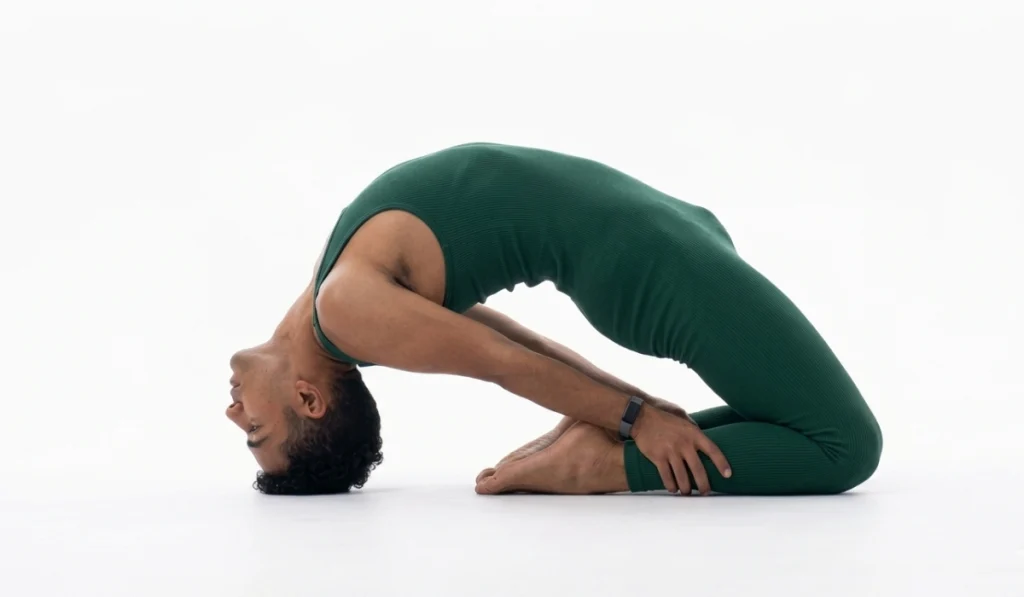
- Seated Positions: Can be performed in Sukhasana (easy pose), Vajrasana (thunderbolt pose), or even seated in a chair.
- Add a Count: Use inhale-exhale counting (e.g., 4-4-4) for deeper rhythm control.
Always adapt the practice to your comfort level and energy state.
Expert Insights and Recommendations
As someone who integrates Sitali into my classes, I’ve seen its power in helping students with stress, migraines, hot flashes, and even anger management. I recommend:
- Morning Practice: To balance body temperature before starting your day.
- Post-Workout or Sauna: Helps naturally regulate internal heat.
- For Pitta Types: If you follow Ayurveda, this is essential for people with dominant fire energy.
- With Journaling or Meditation: Combines well with introspective practices for emotional clarity.
Safety Precautions
- Avoid in Cold Weather: Can overcool the body and make you feel sluggish.
- Not Recommended for Asthma: Unless guided by a certified therapist.
- Don’t Force the Breath: Always breathe within your comfort zone.
- Medical Conditions: If you have low blood pressure or chronic sinus issues, consult your doctor before practicing.
- Children & Elderly: Should practice under supervision.
Final Words
Sitali Pranayama is more than a breathing exercise—it’s a natural remedy for modern-day burnout, heat-related ailments, and emotional overload.
Its simplicity makes it a valuable tool in any wellness routine. Whether you’re a beginner or seasoned yogi, integrating this cooling breath into your day can transform how you feel—inside and out.
FAQs
Q1: Can I do Sitali Pranayama daily?
Yes, it’s safe for daily use, especially in warm weather or during emotional stress.
Q2: What time is best to practice?
Morning or early evening is ideal. Avoid it in cold weather or late at night.
Q3: Can I do Sitali if I have a cold or cough?
It’s better to avoid it during respiratory infections or sinus blockages.
Q4: Is it suitable for children?
Yes, under adult guidance. It can help kids calm down or cool off naturally.
Q5: Can I use Sitali before sleep?
Absolutely. It helps relax the nervous system and may improve sleep quality.
Sources:
Sexton, S. (2013, May 31). Beat the heat: Sitali and Sitkari.
3HO International. (2025, March 19). Sitali Pranayama – 3HO International.
Ryt, A. P. (2020, July 31). How to do cooling breath or Sitali Pranayama. Verywell Fit.
Ekhart, E. (2023, August 29). Cool down with Sitali Pranayama.