
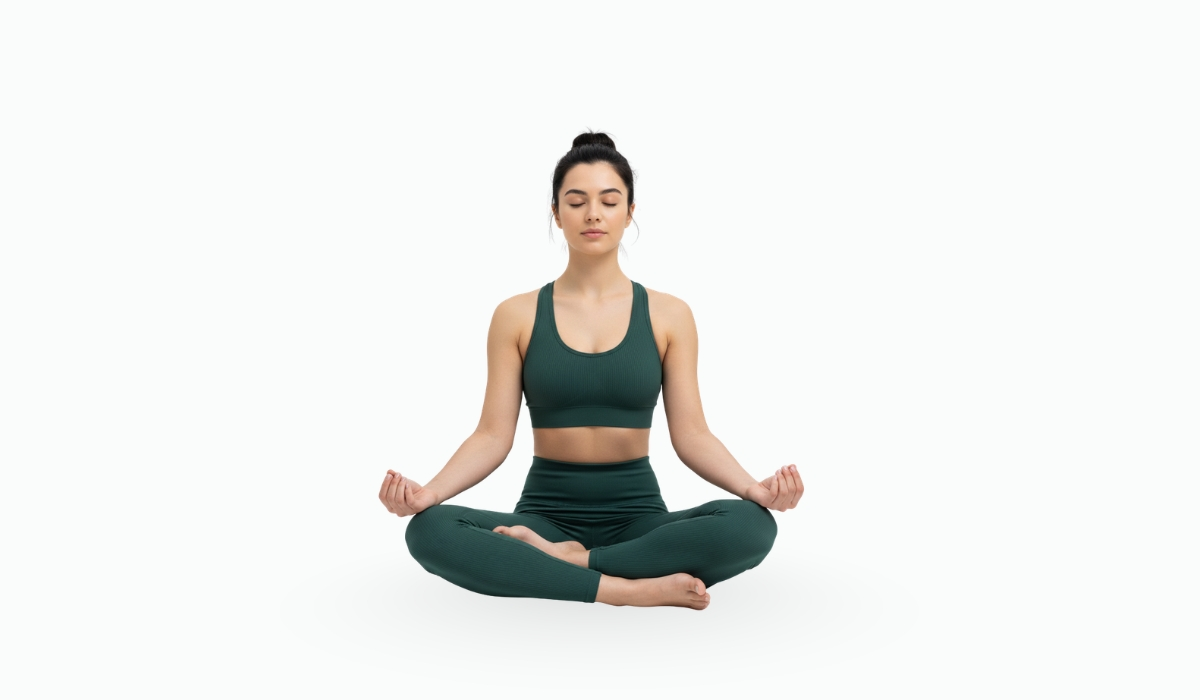
Adi Mudra is a simple and calming hand gesture used in yoga and meditation. The word “Adi” means first or original, and “Mudra” means gesture or seal. Adi Mudra is called the “first mudra” because it is believed to be a natural hand position.
Even babies often keep their hands in this shape. This mudra helps improve breathing, calm the mind, and reduce stress. It is easy to practice and safe for beginners. When combined with slow breathing, Adi Mudra can support relaxation, better focus, and emotional balance in daily life.
What Is Adi Mudra?

Adi Mudra is a hand gesture where the thumb is placed inside the palm and the other four fingers gently close over it to form a soft fist.
This mudra looks simple, but it has powerful calming effects. It is often used during pranayama (breathing exercises) and meditation.
Meaning of the Word “Adi”
The word “Adi” means:
- First
- Beginning
- Original
- Ancient
Adi Mudra represents returning to a natural and peaceful state of mind.
How to Perform Adi Mudra (Step by Step)
Step 1: Sit Comfortably
- Sit in Sukhasana, Padmasana, or on a chair.
- Keep your back straight.
- Relax your shoulders.
Step 2: Form the Mudra
- Fold your thumb into your palm.
- Close the other four fingers gently over the thumb.
- Do not press too tightly.
Step 3: Hand Position
- Place your hands on your thighs.
- Keep palms facing downward.
Step 4: Focus on Breathing
- Close your eyes.
- Breathe slowly and deeply.
- Practice for 5–15 minutes.
How Does Adi Mudra Work?
In yoga philosophy, fingers represent different elements of nature. When the thumb (fire element) is placed inside the palm, it helps calm excess energy.
This mudra is believed to:
- Reduce tension
- Improve breathing patterns
- Calm the nervous system
It encourages deep and steady breathing.
Benefits of Adi Mudra
1. Improves Breathing
Adi Mudra supports deeper chest breathing. It helps expand the upper lungs.
2. Reduces Stress
Slow breathing with this mudra relaxes the mind and body.
3. Calms the Nervous System
It activates the body’s relaxation response.
4. Improves Focus
It helps reduce distractions and improves attention.
5. Supports Better Sleep
Practicing before bed may help improve sleep quality.
Best Time to Practice
- Early morning
- During meditation
- Before sleep
- During pranayama
It can also be practiced during stressful situations.
How Long Should You Practice?
- Beginners: 5 minutes daily
- Intermediate: 10–15 minutes
- Advanced: 20 minutes
Regular practice gives better results.
Who Can Practice Adi Mudra?
- Beginners
- Students
- Working professionals
- Elderly people
- Meditation practitioners
It is simple and generally safe for everyone.
Precautions
Adi Mudra is very safe, but:
- Do not squeeze the fingers tightly.
- Keep hands relaxed.
- Avoid straining shoulders.
Comfort is important for good results.
Adi Mudra and Breathing
Adi Mudra is often used in pranayama exercises. It helps slow down breathing and makes it deeper.
Deep breathing:
- Improves oxygen flow
- Reduces anxiety
- Supports mental clarity
This mudra works best with slow and mindful breathing.
Scientific View
Modern research shows that deep breathing activates the parasympathetic nervous system. This system helps the body relax and recover.
Possible effects include:
- Lower heart rate
- Reduced blood pressure
- Better emotional control
Adi Mudra combined with breathing can support these benefits.
Common Mistakes
- Pressing thumb too hard
- Holding breath
- Sitting with bent back
- Practicing without focus
Keep your body relaxed and breathing natural.
Difference Between Adi Mudra and Other Mudras
| Adi Mudra | Chin Mudra |
| Thumb inside palm | Thumb touches index finger |
| Calms upper breathing | Improves concentration |
| Very grounding | More energizing |
Each mudra has a unique purpose.
Spiritual Importance
Adi Mudra symbolizes returning to a pure and original state. It reminds us to let go of stress and return to simplicity.
During meditation, it helps quiet the mind. With regular practice, it may deepen awareness and inner peace.
Tips for Better Practice
- Practice in a quiet place
- Combine with slow breathing
- Keep spine straight
- Be consistent
Even a few minutes daily can bring positive change.
Conclusion
Adi Mudra is a simple yet powerful hand gesture that promotes calmness, better breathing, and mental clarity. It is easy to practice and suitable for all ages. By placing the thumb inside the palm and breathing slowly, you can relax your nervous system and reduce stress.
Regular practice may improve focus, emotional balance, and sleep quality. Though small in action, Adi Mudra has meaningful effects. With patience and consistency, it can become a helpful tool for daily relaxation and inner peace.
Sources:
Hebbar, J. V. (2025, December 25). Adi Mudra – meaning, method of doing, benefits, dosha effect. Easy Ayurveda Hospital.
Sharma, D. (2024, January 2). Adi Mudra or first gesture: Meaning, benefits | Siddhi Yoga. Siddhi Yoga.
By Art of Living Editorial Team. (2025, June 27). Seated forward bend with Adi Mudra (Yoga Mudra). www.artofliving.org/us-en/blog.
Mosa. (2022, December 17). Mudra Monday: Adi Mudra — Oceana Mariani. Oceana Mariani.


