Many of my yoga students, especially beginners, struggle with tight hamstrings, stiff hips, and mental restlessness. I’ve been there too—feeling stuck and tense in the lower back and hips despite practicing regularly.
That’s when I found relief through Upavistha Konasana. As a certified yoga teacher with years of experience guiding all levels, I’ve seen firsthand how this seated forward bend gently opens the body and calms the mind.
In this article, I’ll walk you through everything I’ve learned, following professional yoga standards, anatomy, and safety guidelines—so you can confidently experience its full benefits.
What Does the Upavistha Konasana Mean?
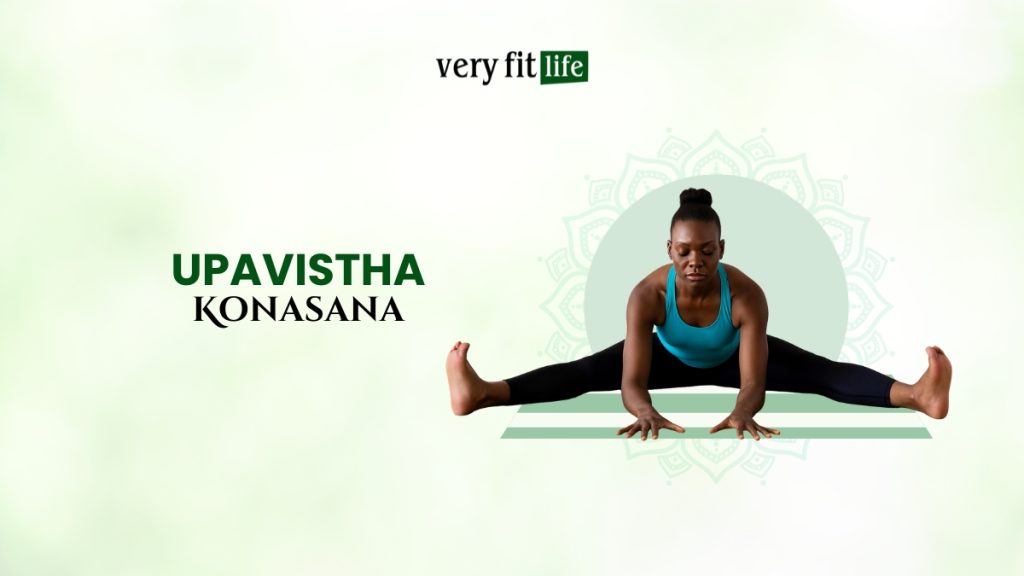
The name “Upavistha Konasana” comes from Sanskrit:
- Upavistha means “seated,”
- Kona means “angle,” and
- Asana means “pose.”
So, Upavistha Konasana literally translates to “Seated Angle Pose.” This wide-legged seated forward bend helps stretch the inner thighs, spine, and hamstrings.
It also represents a state of surrender and receptivity, often associated with inner reflection and balance in yogic philosophy.
What is the Anatomy of Upavistha Konasana?
Understanding the anatomical focus of this pose is essential for practicing it safely and effectively. Here are the key muscles and joints involved:
- Hamstrings: Deep stretch occurs at the back of the thighs.
- Adductors: Inner thigh muscles are lengthened.
- Hip Flexors: The pelvis rotates, opening the hip joint.
- Spine: The erector spinae muscles are elongated during forward folding.
- Core Muscles: Engage to maintain balance and alignment.
- Shoulders and Arms: These support the stretch, especially when reaching forward or holding the feet.
Proper alignment in these areas ensures reduced injury risk and maximum benefit.
How to Perform Upavistha Konasana
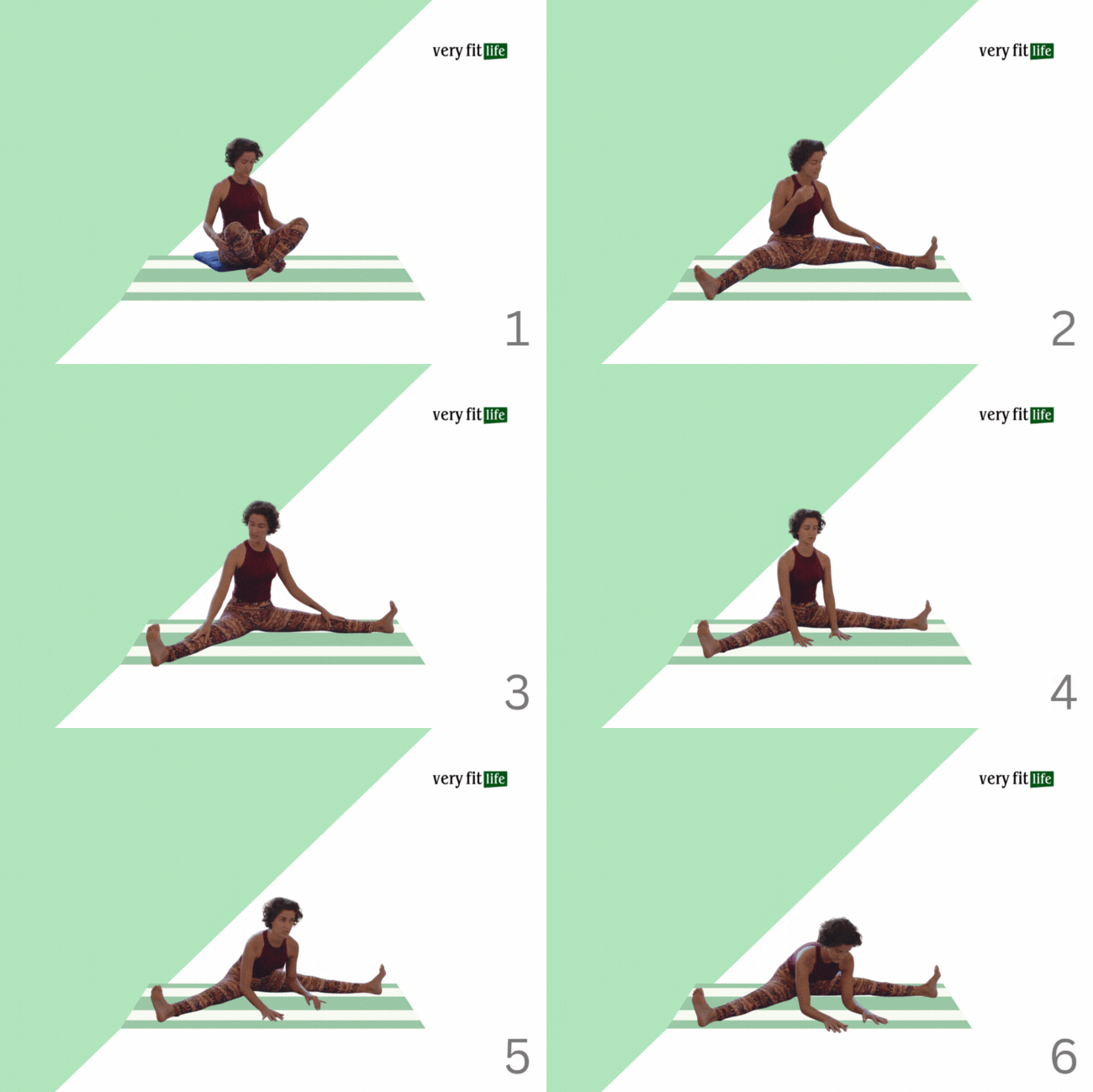
Step-by-Step Instructions:
Start in Dandasana (Staff Pose) on a yoga mat.
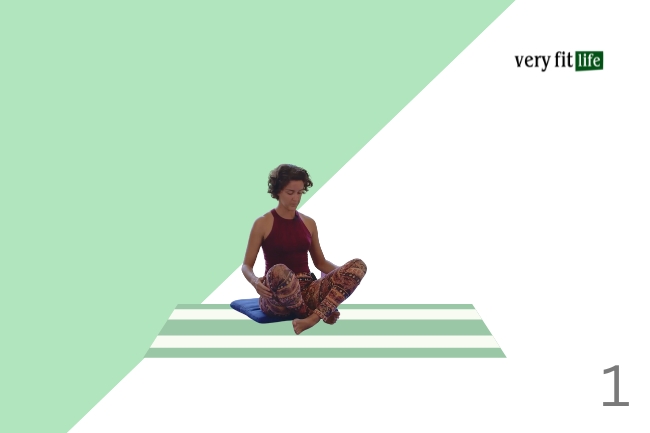
Spread your legs wide apart, forming a ‘V’ shape. Keep the toes pointing upward.
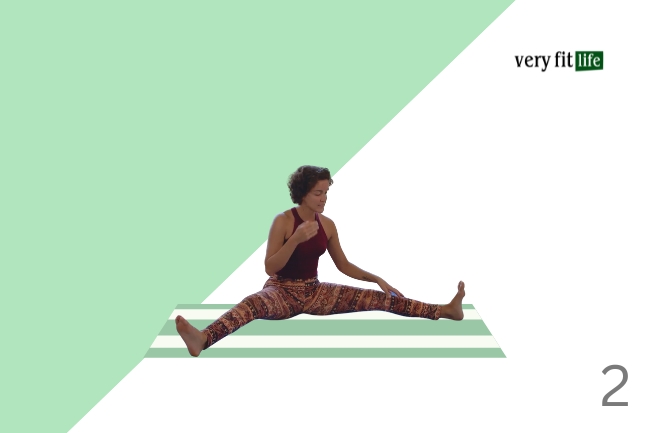
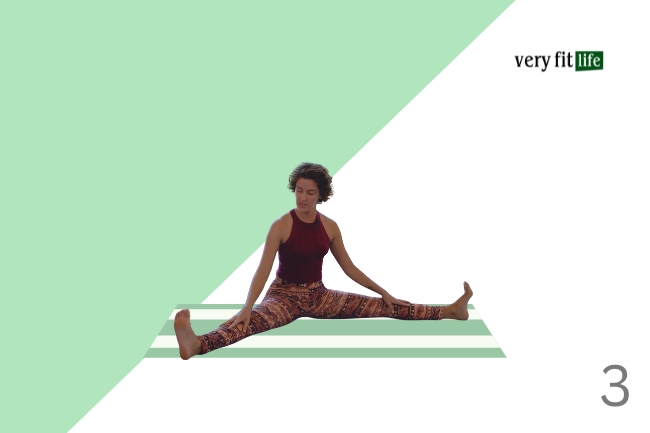
Ground your sit bones evenly on the floor. Sit tall through your spine.
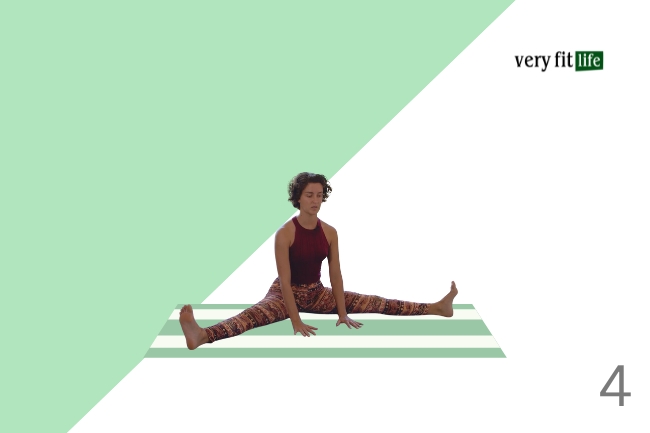
Place your hands on the floor in front of you.
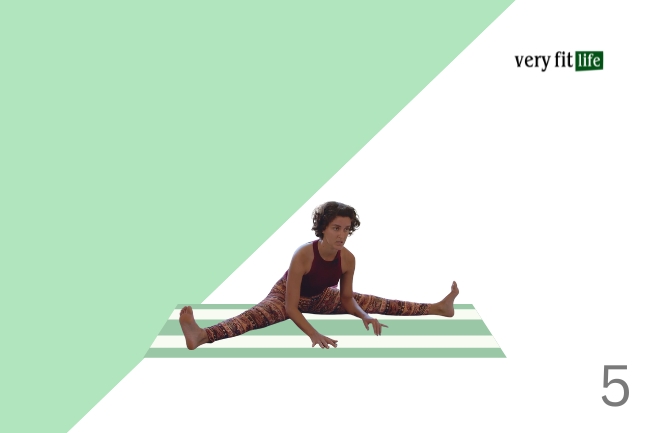
As you inhale, lengthen your spine.
On an exhale, begin to walk your hands forward, hinging from the hips (not the lower back).
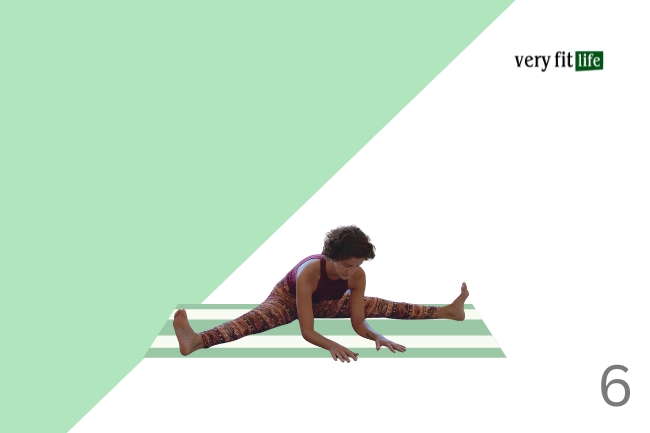
Go only as far as you can while keeping your back straight. Eventually, you may rest your forehead on the mat or a block.
Hold the pose for 30 seconds to 2 minutes, breathing deeply.
To release, gently walk your hands back and bring the legs together.
Props: A folded blanket under the hips or yoga blocks under the forearms can support proper alignment and comfort.
Here’s a video that explains this yoga pose in more detail.
Benefits of Upavistha Konasana
Physical Benefits
- Deep hamstring and inner thigh stretch
- Improved hip joint flexibility
- Strengthens and elongates the spine
- Enhances posture and pelvic alignment
- Improves core stability and awareness
Mental Benefits
- Calms the nervous system
- Reduces mental fatigue and stress
- Encourages mindfulness and deep breathing
- Promotes emotional grounding and relaxation
Health Benefits
- Stimulates abdominal organs and digestion
- Supports detoxification through increased circulation
- Can relieve mild backaches and menstrual discomfort
- Promotes better blood flow to the pelvic region
Spiritual Benefits
- Invites introspection and inward focus
- Supports grounding and root chakra activation
- Encourages surrender, humility, and patience
- Deepens meditation practice and inner awareness
Variations and Modifications
- Supported Forward Fold:
Place a bolster or cushion in front of you and rest your torso on it. - Wall-Assisted Pose:
Sit with your back against the wall to maintain a straight spine and prevent slouching. - Bent Knees:
If hamstrings are tight, allow a slight bend in the knees to avoid overstretching. - Strap Support:
Use a yoga strap looped around the feet to gently pull yourself forward while keeping the spine long.
Expert Insights and Recommendations
- Andrea’s Tip: I always remind my students that it’s not about how far you go, but how aligned and connected you feel. A straight spine and calm breath are more important than touching the floor.
- For Beginners: Use props and don’t rush. The flexibility will come with consistency.
- For Advanced Practitioners: Try folding deeper while keeping your toes active and engaged to intensify the stretch.
- Sequence Tip: Pair this pose with forward folds like Paschimottanasana or side stretches to enhance flexibility and release tension.
Safety Precautions
- Avoid if Pregnant or consult your doctor first.
- Don’t round the lower back—it can strain the lumbar spine.
- Avoid bouncing or forcing the stretch.
- Warm-up first with dynamic stretches like hip openers.
- Use props if you feel any strain in the hamstrings, groin, or lower back.
- Individuals with sciatica or lower back issues should practice under guidance.
Final Words
Upavistha Konasana is a powerful yet gentle pose that offers physical flexibility, mental calm, and spiritual stillness. Whether you’re a beginner or seasoned yogi, this pose invites you to slow down, breathe deeply, and connect inward. Practicing with awareness, alignment, and patience transforms this simple stretch into a profound moment of self-care.
As I’ve guided students over the years, I’ve seen how this pose becomes a turning point in their flexibility and mindset. Approach it with kindness, and it will reward you over time.
FAQ’s
Can beginners do Upavistha Konasana?
Yes! Beginners can modify the pose using props like blankets or bolsters for support. Never force the forward fold.
How wide should the legs be in this pose?
As wide as is comfortable while maintaining an upright posture. Do not strain or overextend.
What should I do if my back rounds while folding forward?
Use a folded blanket under the hips and focus on hinging from the hips rather than curving the spine.
Is this pose safe during menstruation?
Yes, it can be soothing during menstruation, especially when using props. However, always listen to your body.
How often should I practice this pose?
You can include it in your regular practice 2–3 times a week, gradually increasing duration as flexibility improves.
Can this pose help with anxiety?
Absolutely. The forward-folding motion, combined with deep breathing, helps calm the nervous system and reduce stress.
Sources:
Tjpitre, & Tjpitre. (2025, March 23). Wide-Angled seated forward bend. Yoga Journal.
Umel, A. U. (2022, June 29). Wide-Angle Seated Pose (Upavistha Konasana). Liforme.
Smith, E. N. (2024, November 11). Yoga Pose Primer: Upavistha Konasana. YogaUOnline.
Upavistha konasana. (2020, December 25). The Yoga Collective.