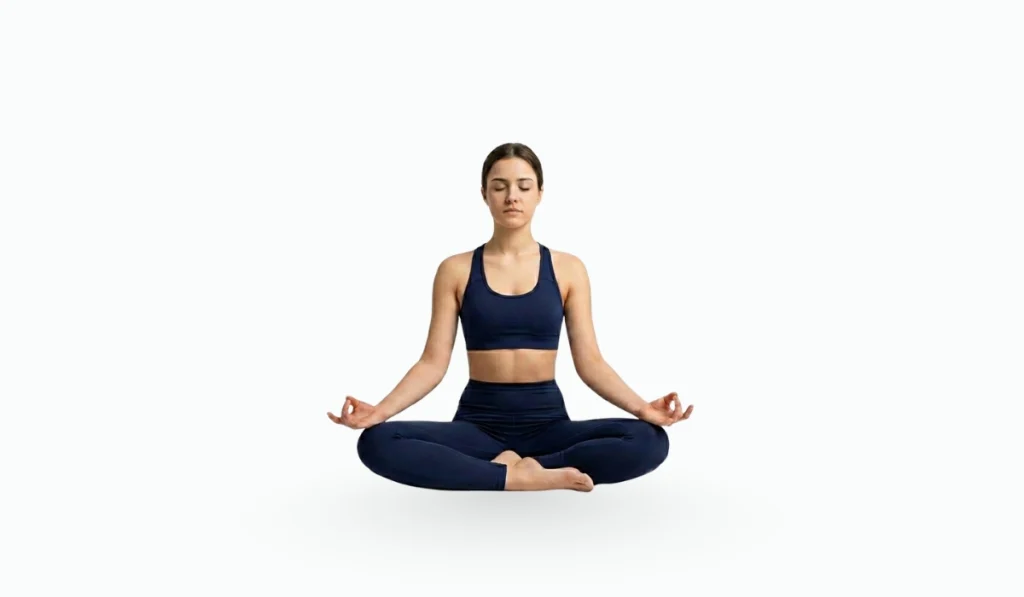
Do you feel pressure or tension from doing something? Would you like tips on how to help yourself to unwind physically and mentally?
It is a soft exercise that enables individuals including young persons to relieve stress, relax their brains as well as regain strength.
But few know how, where, or what to start, not to mention what they are getting themselves into.
In this article, you will be enlightened on what you should know about restorative yoga including preparation, and mistakes to avoid.
What is Restorative Yoga?
Bhastrika is said to oxygenate the blood and organs and is one of the relaxing yoga styles of practice.
Restorative yoga is not as aggressive as other yoga since it involves the use of blankets, bolsters as well as blocks to help get your body in different positions.
It helps that you can stay in specific positions for longer time, 5 to 15 minutes in most cases, which creates a very relaxed state.
It relieves tension in the nervous system, has an antidote to stress effect, and promotes well-being.
Using mindfulness and breath awareness in this practice encourages you to tune into your intuitive self shedding all tensions.
History and Origin of Restorative Yoga
Iyengar Yoga, which was started by B.K.S. Iyengar in the 20th century, is where restorative yoga got its start. Later, Iyengar student Judith Hanson Lasater made it more well-known in the West.
Supports like bolsters and blankets are used to support the body during this gentle practice that focuses on deep relaxation. This helps with healing, stress relief, and general health.
Main Principles of Restorative Yoga
- Deep Relaxation: Holding poses for long amounts of time helps the body and mind relax completely.
- Use of Props: To ease stress and improve comfort, supports the body with blankets, bolsters, and blocks.
- Minimal Effort: Instead of active involvement, the focus is on passive stretching and light movements.
- Awareness of Breath and Stillness: Encourages awareness through slow, deep breathing and staying still for a long time.
- Nervous System Regulation: Turns on the parasympathetic nervous system, which lowers stress and speeds up the mending process.
- Gentle and easy to do: good for people of all ages and fitness levels; focuses on self-care and mental peace.
- Mind-Body Connection: This technique helps you become more aware of your body’s feelings, thoughts, and experiences.
Benefits of Restorative Yoga
Thus, restorative yoga holds very many benefits in terms of re-establishing the well-being of several parts of an individual’s body as well as replenishing their mind.
- Research shows that restorative yoga and deep breathing help soothe the nervous system.
- Restorative yoga may relax more than passive stretching, according to a study.
- Relaxation improves sleep quality. A 2020 meta-analysis examined 19 studies on how yoga—including restorative yoga—affects sleep. Yoga improves sleep by raising melatonin and lowering hyperarousal, according to research.
- Yoga is often linked to better physical and mental health in the general population.
- Yoga has been shown to reduce stress, anxiety, sadness, and other mood problems.
- Restorative yoga reduces musculoskeletal discomfort, according to research.
- Restorative yoga is gentle on the joints and strengthens the connective tissues around the bones and joints.
Types of Restorative Yoga
Restorative Yoga includes several types of poses, each designed to promote relaxation and healing. Here are the main types of restorative yoga poses:
1. Reclining Poses
- Supta Baddha Konasana (Reclining Bound Angle Pose)
- Supta Virasana (Reclining Hero Pose)
- Supported Savasana (Corpse Pose)
2. Forward Bends
- Supported Child’s Pose (Balasana)
- Supported Seated Forward Bend (Paschimottanasana)
- Wide-Legged Forward Fold (Upavistha Konasana)
3. Gentle Twists
- Reclining Spinal Twist (Supta Matsyendrasana)
- Supported Seated Twist
4. Heart-Opening Poses
- Supported Fish Pose (Matsyasana)
- Supported Bridge Pose (Setu Bandhasana)
5. Inversions
- Legs Up the Wall (Viparita Karani)
- Supported Shoulder Stand
Each type targets different areas of the body, promoting deep relaxation, stress relief, and improved circulation.
Top Restorative Yoga Poses
Let’s check out some cool poses. They’re easy yet powerful. Even the experts can learn from them.
1. Supported Child’s Pose
This pose soothes the body and mind.
How to do it:
- Kneel on the mat.
- Put a bolster or pillow under your chest.
- Lean forward.
- Relax your arms.
- Stay there for 5–10 minutes.
2. Legs Up the Wall

It is good for tired legs and helps calm your heart.
How to do it:
- Lie down close to a wall.
- Put your legs up, let them lean on the wall.
- Slide a folded blanket under your hips.
- Let your arms hang by your sides.
- Chill there for 10-15 minutes.
3. Reclined Bound Angle Pose

Reclined angle one lets your hips and chest open up.
How to do it:
- Lay flat on your back.
- Bend your knees out to the sides.
- Touch the feet soles together.
- Tuck pillows under your knees.
- Maybe slide a pillow under your back.
- Hang out like this for 10-15 minutes
4. Supported Bridge Pose

This pose makes the lower back feel better.
How to do it:
- Lay on your back.
- Bend your knees, feet on the ground.
- Raise your hips.
- Put a block or pillow under your hips.
- Lower your back onto it.
- Hold for 5–10 minutes.
5. Savasana (Final Rest Pose)

How to do it:
- Lie down flat.
- Put a pillow under your knees if needed.
- Throw on a blanket.
- Put an eye pillow on your eyes.
- Chill for 10–20 minutes.
Variations of Restorative Yoga
There are many variations of restorative yoga, including:
Yin Yoga: This style (Yin yoga) involves spending much time holding the positions to reach past the muscle fibers into the fascia.
Peloton Yoga: There are other types of classes such as yoga classes on the internet that you can exercise from the comfort of your home like the Peloton.
Safety Precautions
Rule number one is that safety comes first.
Here are some precautions to keep in mind:
Avoid Strain: This means that you should not force yourself into some positions that provide aches or stretches.
Use Support: Capitalize on the use of props when you are unsure of your stance.
Stay Hydrated: Take water before and after your practice to ensure you are well hydrated, in case you intend to dance.
Common Mistakes to Avoid
To ensure a successful practice, avoid these common mistakes:
Skipping Warm-Ups: It is also important to warm up every time to prepare your body.
Ignoring Props: Props should be used as frequently as possible to promote as much comfort as well as support as is attainable.
Rushing Through Poses: If you are in another’s company, do not rush and enjoy the experience, and learn to breathe profoundly.
Case Study:
words of Federal-Ground-9608
The Radiance Sutras by Lorin Roche is my favourite source for inspiration on theme ideas for restorative yoga. My students enjoy the sutras and it gives them an idea/thought to focus on during class. Read a full case study on reddit.com
VeryFit Life Final Words
Lastly, getting a certification in restorative yoga would be very useful for promoting overall health and that of other people.
This will come easily with practice and a bit of patience to enable you to get to that point of serenity.
Everyone is welcome to yoga; people of any age or those who have never practiced vigorous workouts can participate.
FAQs
What is restorative yoga?
It is slow-moving yoga where the body is placed in some relaxing poses using several props to help the body rejuvenate.
What is restorative yoga exercise?
Its exercises are slow and patient postures that enable the muscular framework of your body to release pressure, like the supported child’s pose and savasana.
Can I do restorative yoga in case I am new to yoga?
Absolutely! It is for newcomers since it is not very intense; rather, it consists of lying on the back, legs, or chest with support, concluding with meditation.
How many times a week is it recommended for me to perform restorative yoga?
Performing restorative yoga twice a week is good for your health and if you only have the time to perform it once a week, then it counts as well.
If you follow these guidelines and take up the practice of restorative yoga, then, and only then, can you call yourself an expert. Enjoy your journey!
Source:
Ryt, A. P. (2024, June 2). How restorative yoga benefits your body and mind. Verywell Fit.
Lindberg, S. (2020, September 23). The benefits of restorative yoga and poses to try. Healthline.