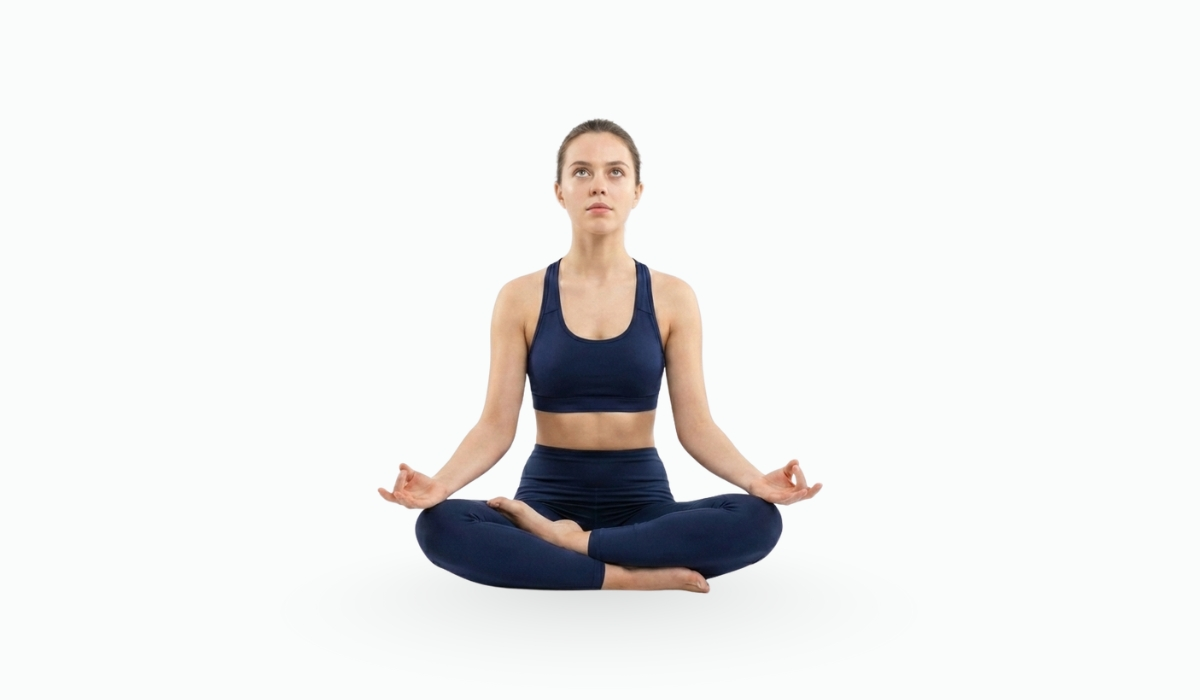
Shambhavi Mudra is an ancient yogic practice that helps calm the mind and improve inner awareness. It is a powerful technique mentioned in yogic and spiritual texts. This mudra mainly focuses on the eyes and the mind.
By practicing Shambhavi Mudra, a person learns to turn attention inward while still being aware of the outer world. It is often used in meditation and higher yoga practices.
Shambhavi Mudra is simple in appearance, but its effects are deep and long-lasting. Regular practice can help improve focus, peace, and spiritual growth.
What Is Shambhavi Mudra?
Shambhavi Mudra is a gesture of awareness, not just a hand position. The word:
- “Shambhavi” refers to inner awareness or divine consciousness
- “Mudra” means a gesture or seal
In this mudra, the eyes are gently focused while the mind becomes still. The body remains relaxed, and attention slowly moves inward. Shambhavi Mudra connects the mind, breath, and awareness into one balanced state.
Origin and Meaning of Shambhavi Mudra
Shambhavi Mudra comes from ancient yoga and tantra traditions. It is mentioned in texts like the Hatha Yoga Pradipika. The mudra is linked with Lord Shiva, who represents deep meditation and inner silence.
This practice was traditionally taught only to serious spiritual seekers. Over time, it became more open, but it still requires patience and discipline.
How to Perform Shambhavi Mudra (Step by Step)
Shambhavi Mudra should be practiced in a calm and quiet place.
Step 1: Sit Comfortably
- Sit in Padmasana, Sukhasana, or any comfortable seated pose
- Keep your spine straight
- Relax your shoulders and face
Step 2: Close the Eyes Gently
- Take a few deep breaths
- Let the body relax fully
Step 3: Focus the Inner Gaze
- Slowly direct your awareness toward the space between the eyebrows
- The eyes remain relaxed, not strained
- Do not force the gaze
Step 4: Breathe Normally
- Let breathing stay natural
- Keep the mind calm and steady
Step 5: Maintain Awareness
- Stay in this position for 1–5 minutes
- Slowly increase time with practice
After finishing, gently relax the eyes and take a few deep breaths.
Important Rules for Practice
- Do not strain the eyes
- Practice on an empty stomach
- Start with a short duration
- Keep breathing natural
- Stop if you feel discomfort
Shambhavi Mudra works best when practiced slowly and regularly.
Benefits of Shambhavi Mudra
1. Improves Focus and Concentration
This mudra helps reduce mental distractions. It trains the mind to stay in one place, which improves focus in daily life.
2. Calms the Mind
Shambhavi Mudra slows down racing thoughts. It brings mental peace and emotional balance.
3. Supports Meditation
This mudra prepares the mind for deep meditation. It helps reach a quiet and aware mental state.
4. Reduces Stress and Anxiety
By calming the nervous system, it helps reduce stress, fear, and restlessness.
5. Awakens Inner Awareness
With regular practice, awareness shifts inward. This helps in self-understanding and spiritual growth.
Shambhavi Mudra and the Ajna Chakra
Shambhavi Mudra is closely connected with the Ajna Chakra (Third Eye Chakra).
- Located between the eyebrows
- Linked with intuition and wisdom
- Helps improve clarity and insight
Practicing this mudra helps activate and balance this chakra gently.
Difference Between Shambhavi Mudra and Trataka
| Shambhavi Mudra | Trataka |
| Inner awareness | External gazing |
| Eyes relaxed | Eyes fixed on an object |
| Meditation-based | Concentration practice |
| Gentle technique | More intense |
Both practices are helpful, but Shambhavi Mudra is softer and more inward-focused.
Who Can Practice Shambhavi Mudra?
✔️ Beginners in meditation
✔️ Students and working professionals
✔️ People seeking mental calm
✔️ Spiritual seekers
Avoid or consult guidance if:
- You have severe eye problems
- You feel strong headaches
- You are mentally disturbed
Best Time to Practice
- Early morning (best time)
- Evening during sunset
- In a quiet and peaceful place
Daily practice of even 5 minutes can bring positive changes.
Common Mistakes to Avoid
- Forcing the eyes upward
- Holding the breath
- Practicing for too long in the beginning
- Expecting instant results
Yoga works slowly and naturally. Patience is key.
Spiritual Significance of Shambhavi Mudra
In yogic tradition, Shambhavi Mudra is considered a bridge between the outer and inner world. It teaches a person to stay aware without attachment. Over time, it leads to a deeper sense of peace and clarity.
This mudra helps the practitioner experience stillness while remaining alert. It is not about escaping life but understanding it more clearly.
Conclusion
Shambhavi Mudra is a simple yet powerful yogic practice. It does not need special equipment or long hours. With regular practice, it helps calm the mind, improve focus, and deepen inner awareness. Though it looks easy, its effects are deep and meaningful. When practiced with patience and sincerity, Shambhavi Mudra becomes a valuable tool for mental peace and spiritual growth. It reminds us that true balance begins from within.
Sources:
Sharma, D. (2024, April 6). Shambhavi Mudra: Meaning, Benefits, & How to do |Siddhi Yoga. Siddhi Yoga.
Yogaadmin. (2019, April 8). Shambhavi mudra – the eyebrow center gazing gesture. Yogic Way of Life.
Isha Foundation. (2025, December 27). Inner Engineering | Shambhavi Mahamudra Kriya | Offered by Sadhguru.