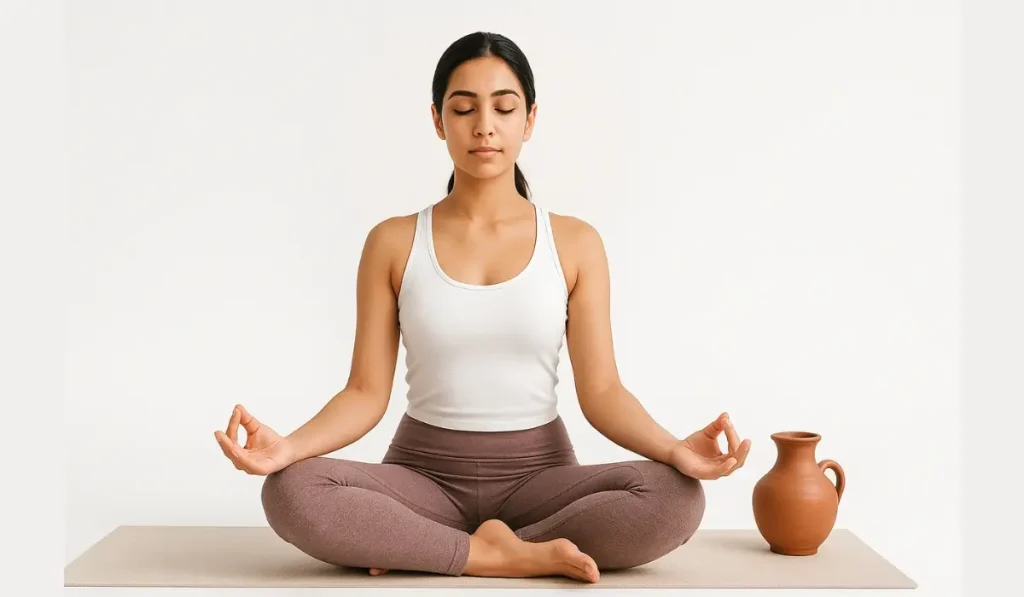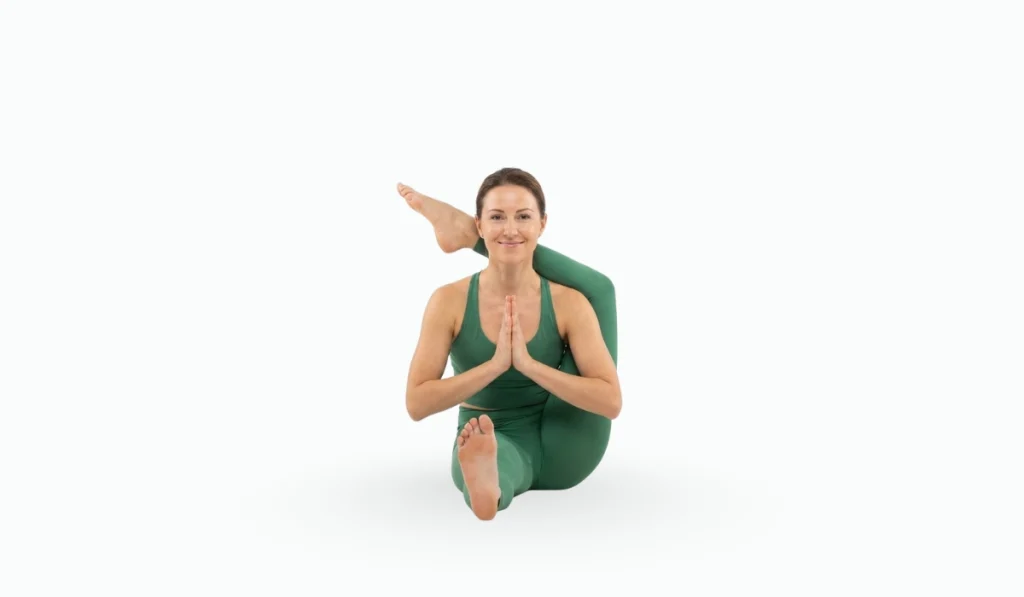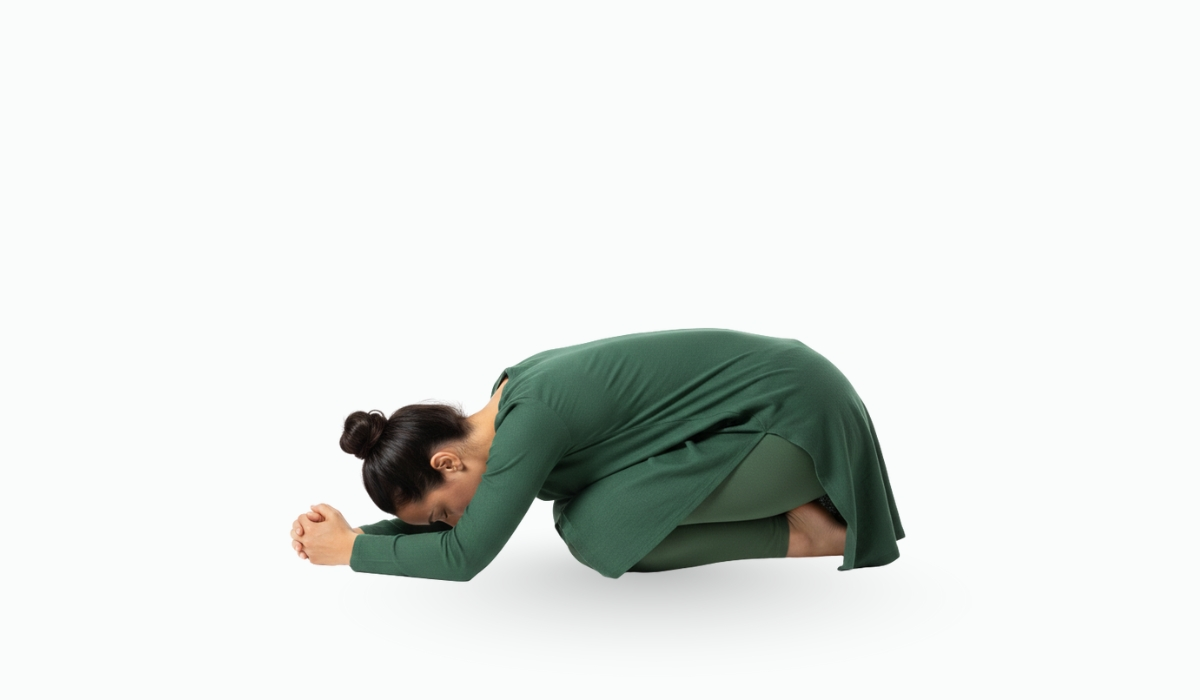
Vandana Yoga is a spiritual path based on prayer, respect, and surrender. The word Vandana comes from Sanskrit and means “to bow,” “to praise,” or “to offer reverence.”
In Vandana Yoga, a person expresses devotion through prayers, respectful words, and a humble attitude. This yoga teaches us to lower our ego and raise our awareness. Vandana Yoga is not only about spoken prayers.
It is about inner humility, gratitude, and trust. Through regular practice, the mind becomes calm, the heart becomes soft, and life gains meaning and balance.
Meaning of Vandana Yoga
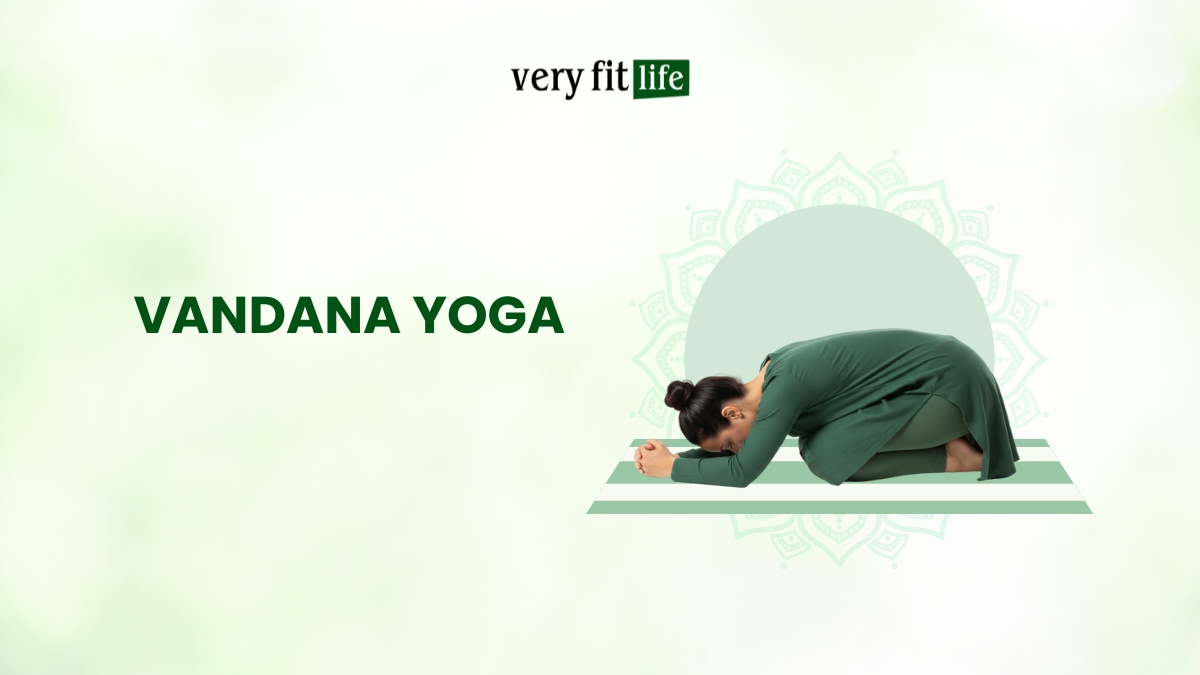
Vandana Yoga means offering respect with devotion. It involves praising, bowing, and praying with sincerity.
In a deeper sense, Vandana Yoga teaches:
- Humility
- Gratitude
- Surrender
- Faith
True Vandana happens when the heart is pure and focused.
Vandana Yoga in Bhakti Yoga
Vandana Yoga is an important part of Bhakti Yoga, the yoga of devotion.
In Bhakti Yoga:
- Love matters more than logic
- Faith is stronger than fear
- Devotion leads to peace
Vandana Yoga allows devotion to be expressed through respectful prayer.
Purpose of Vandana Yoga
The main purpose of Vandana Yoga is ego reduction.
It helps to:
- Remove pride
- Build patience
- Create inner calm
- Strengthen faith
By bowing in respect, the mind learns humility.
Symbolism of Bowing
Bowing in Vandana Yoga has deep meaning.
- Lowering the head shows humility
- Joining hands shows unity
- Closing eyes shows inner focus
These actions remind us to let go of ego.
Vandana Yoga and Prayer
Prayer is the heart of Vandana Yoga.
Prayer can be:
- Spoken
- Silent
- Written
- Emotional
True prayer is honest and comes from the heart.
Types of Vandana (Prayer)
1. Verbal Prayer
Spoken words of praise or gratitude.
2. Silent Prayer
Prayer without words, done in the heart.
3. Group Prayer
Praying together to build unity.
4. Personal Prayer
Private conversation with the divine.
Vandana Yoga and the Mind
Vandana Yoga helps calm the mind.
During prayer:
- Thoughts slow down
- Focus improves
- Stress reduces
A peaceful mind supports better decisions.
Vandana Yoga and Humility
Humility is the foundation of Vandana Yoga.
It teaches:
- Respect for others
- Acceptance of limitations
- Gratitude for life
A humble mind grows spiritually.
Vandana Yoga in Daily Life
Vandana Yoga is not limited to religious places.
It can be practiced by:
- Greeting others with respect
- Thanking people sincerely
- Speaking kindly
- Showing patience
Every respectful action becomes a prayer.
Difference Between Habit and Vandana Yoga
| Habit Prayer | Vandana Yoga |
| Mechanical | Heartfelt |
| Routine-based | Awareness-based |
| Words only | Feeling + intention |
| No inner change | Inner growth |
Vandana Yoga focuses on sincerity.
Vandana Yoga and Gratitude
Gratitude is a major part of Vandana Yoga.
Gratitude helps to:
- Reduce negativity
- Increase contentment
- Improve mental health
A thankful heart is peaceful.
Vandana Yoga and Emotional Balance
Regular prayer helps:
- Reduce anger
- Calm fear
- Increase patience
This leads to emotional stability.
Vandana Yoga and Inner Discipline
Vandana Yoga builds discipline gently.
Daily prayer:
- Creates routine
- Improves focus
- Builds consistency
Discipline through devotion feels natural.
Vandana Yoga in Different Cultures
Vandana Yoga exists in many traditions.
Examples include:
- Bowing
- Saying prayers
- Respectful greetings
- Hymns and chants
This shows Vandana Yoga is universal.
How to Practice Vandana Yoga
Simple steps:
- Sit quietly
- Close your eyes
- Offer a prayer or bow
- Feel gratitude
- End with silence
Even a few minutes daily is helpful.
Common Misunderstandings
1. “Vandana Yoga is only religious”
It is spiritual, not limited to religion.
2. “Words are more important”
Feeling matters more than words.
3. “Only elders should pray”
Anyone can practice Vandana Yoga.
Vandana Yoga and Modern Life
In modern life, Vandana Yoga:
- Reduces stress
- Improves mental clarity
- Builds inner strength
It helps people stay grounded.
Benefits of Vandana Yoga
Regular practice leads to:
- Peace of mind
- Emotional balance
- Strong faith
- Humility
- Positive thinking
These benefits improve daily life.
Vandana Yoga and Other Bhakti Practices
Vandana Yoga works well with:
Together, they deepen devotion.
Inner Meaning of Vandana Yoga
True Vandana means offering:
- Ego into humility
- Fear into trust
- Complaints into gratitude
This inner change brings growth.
Conclusion
Vandana Yoga is the path of prayer, respect, and surrender. It teaches us to bow with humility and speak with gratitude. More than words or rituals, Vandana Yoga focuses on sincerity and inner feeling.
In daily life, it builds calmness, patience, and respect. In spiritual life, it removes ego and strengthens faith. By practicing Vandana Yoga regularly, a person learns to live with humility, balance, and peace.
Sources:
Vandana Yoga – yoga Expert. (n.d.).
Namaste Vandana. (2022, September 8). Namaste Vandana.