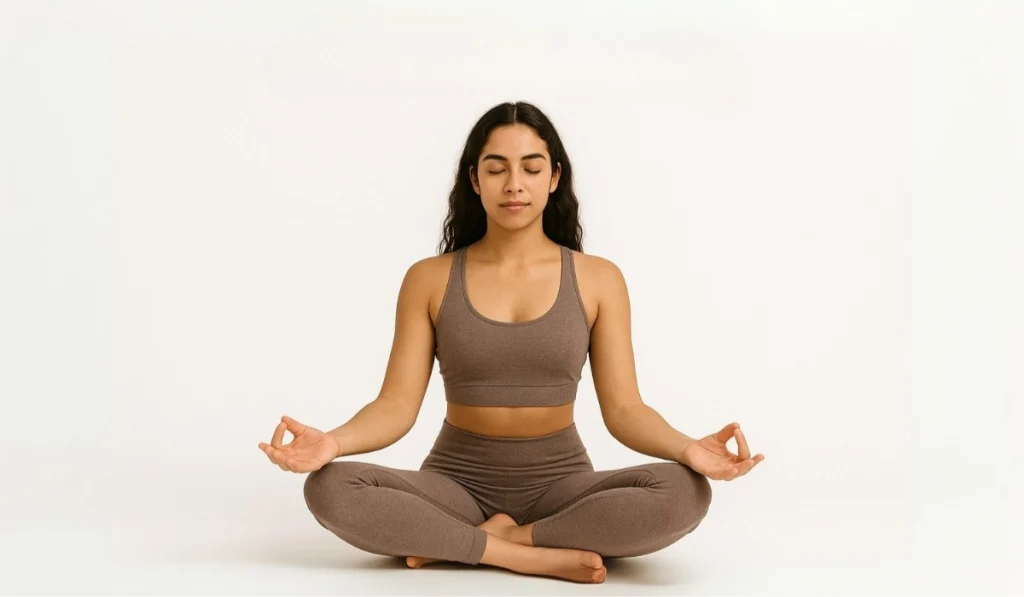
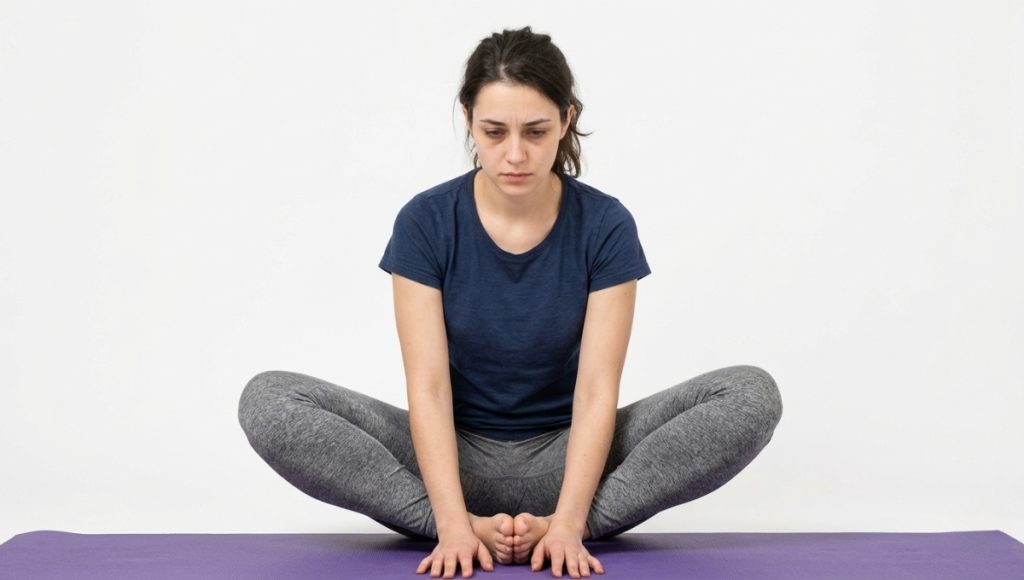
Meditation is one of the best ways to quiet the mind and find peace. But for many people, sitting silently feels difficult because thoughts keep wandering. This is where meditation mantras help.
A meditation mantra is a sacred word or sound repeated during meditation. It acts like a tool to focus the mind, calm emotions, and connect with deeper awareness. In this article, we’ll explore what meditation mantras are, their history, types, examples, benefits, and how to use them in daily practice.
What Are Meditation Mantras?

The word “mantra” comes from Sanskrit:
- “Man” = mind
- “Tra” = tool or instrument
So, a mantra is a tool for the mind. When repeated in meditation, mantras guide attention, stop distractions, and create inner silence.
Unlike normal words, mantras carry vibrations that affect both the mind and body. Chanting them in rhythm helps balance thoughts, reduce stress, and open the path to self-awareness.
History of Meditation Mantras
Meditation mantras began in ancient India, more than 3,000 years ago. The earliest mantras are found in the Vedas, where they were used in prayers and rituals. Later, the Upanishads and yoga traditions developed mantras for meditation and self-realization.
Mantras spread beyond India into Buddhism, Jainism, and Tibetan traditions, where they are still widely used. Today, meditation mantras are practiced all over the world, not only for spirituality but also for mental health and relaxation.
Why Use Mantras in Meditation?
Many people find meditation difficult because the mind keeps wandering. Mantras solve this by:
- Giving the mind a sound to focus on.
- Creating a steady rhythm with breathing.
- Producing healing vibrations in the body.
- Helping connect with inner peace and higher awareness.
Mantras make meditation easier and more effective, especially for beginners.
Types of Meditation Mantras
1. Single-Syllable Mantras
Simple sounds like “Om” or “Hum”. Easy to remember and powerful.
2. Bija (Seed) Mantras
Short mantras linked to chakras (energy centers). Example: “Lam” for the root chakra.
3. Devotional Mantras
Dedicated to deities, like “Om Namah Shivaya” (to Shiva) or “Om Namo Bhagavate Vasudevaya” (to Vishnu).
4. Affirmation Mantras
Positive phrases for focus and motivation, like “I am calm” or “Peace is within me.”
5. Nirguna Mantras
Mantras without form, pointing to the formless divine, like “So Hum” (I am That).
Popular Meditation Mantras
1. Om
- Meaning: Universal sound of creation.
- Effect: Brings deep peace and stillness.
2. So Hum
- Meaning: “I am That.”
- Effect: Connects breath with awareness; inhale “So,” exhale “Hum.”
3. Om Namah Shivaya
- Meaning: “I bow to Shiva, the inner self.”
- Effect: Builds strength, peace, and self-connection.
4. Om Mani Padme Hum
- A Buddhist mantra.
- Meaning: Invokes compassion and wisdom.
- Effect: Heals emotional pain, creates loving-kindness.
5. Sat Nam
- Meaning: “Truth is my identity.”
- Effect: Clears the mind and builds self-awareness.
6. Gayatri Mantra
- Ancient Vedic mantra to the Sun.
- Effect: Increases clarity, focus, and energy.
How to Practice Meditation with Mantras
- Choose a Mantra
Pick one that feels right for you. Start simple, like Om or So Hum. - Find a Quiet Space
Sit in a calm place with your back straight. - Close Your Eyes
Relax your body and take a few deep breaths. - Repeat the Mantra
Say it silently in your mind or chant softly with your voice. - Match with Breath
Connect the mantra with your breathing. Example: inhale “So,” exhale “Hum.” - Stay Focused
If the mind wanders, gently bring it back to the mantra. - Practice Regularly
Start with 5–10 minutes daily, then increase as you feel comfortable.
Benefits of Meditation Mantras
1. Calms the Mind
Repeating mantras reduces stress and quiets racing thoughts.
2. Improves Concentration
Focusing on a mantra trains the brain to stay sharp and attentive.
3. Balances Emotions
Mantras bring peace, reduce anger, and improve mood.
4. Promotes Better Sleep
Chanting before bed relaxes the nervous system for restful sleep.
5. Enhances Spiritual Growth
Connects the practitioner to inner self and universal energy.
6. Supports Physical Health
Mantras slow the heart rate, improve breathing, and lower blood pressure.
Meditation Mantras in Daily Life
You don’t need a special setup to use mantras—they can fit into your daily routine:
- Morning: Start with “Om” to energize your day.
- Work Breaks: Chant silently for quick stress relief.
- During Study: Use “Sat Nam” for focus.
- Evening: Chant “Om Shanti” for peace before sleep.
Common Mistakes to Avoid
- Chanting Too Fast – Go slowly; let the sound sink in.
- Switching Mantras Often – Stick to one mantra for deeper results.
- Expecting Instant Results – Meditation takes time and patience.
- Not Focusing on Breath – Breathing with the mantra makes it more powerful.
- Mindless Repetition – Chant with awareness, not mechanically.
Modern Science and Mantras
Scientific studies support mantra meditation:
- Reduces stress hormones.
- Improves brain function and memory.
- Boosts immune system.
- Helps with anxiety and depression.
This shows that mantras are not only spiritual but also practical tools for health.
Conclusion
Meditation mantras are simple yet powerful tools to calm the mind, balance emotions, and connect with inner peace. From the universal sound of Om to the compassionate Om Mani Padme Hum, each mantra carries vibrations that support healing and self-awareness.
Whether you are a beginner or an experienced meditator, including mantras in your practice can bring clarity, peace, and spiritual growth.
Start with one mantra, chant daily with focus and patience, and experience the deep calm it brings to your life.
Sources:
Santos, A. (2024, April 5). Elevate Your Meditations with These Empowering Mantras. Loving My Wild Blog.
Yugay, I. (2025, September 5). Mantra meditation: A go-to guide with 30+ mantras for meditation. Mindvalley Pulse.
Wanderlust. (2019, April 9). 21 Mantras to transform your meditation practice. Wanderlust.