Struggling with tight hamstrings or a restless mind? I’ve been there. As a yoga teacher for over a decade, I often found myself feeling stiff after long days.
Janu Sirsasana, or Head to Knee Forward Bend, became my go-to pose for relief. It not only eased my physical tension but also helped quiet my racing thoughts.
In my experience, it’s a gentle, effective way to stretch your body and calm your mind. If you’re looking for a pose that offers both peace and flexibility, this one’s for you.
What Does the Name of Janu Sirsasana (Head to Knee Forward Bend) Mean?
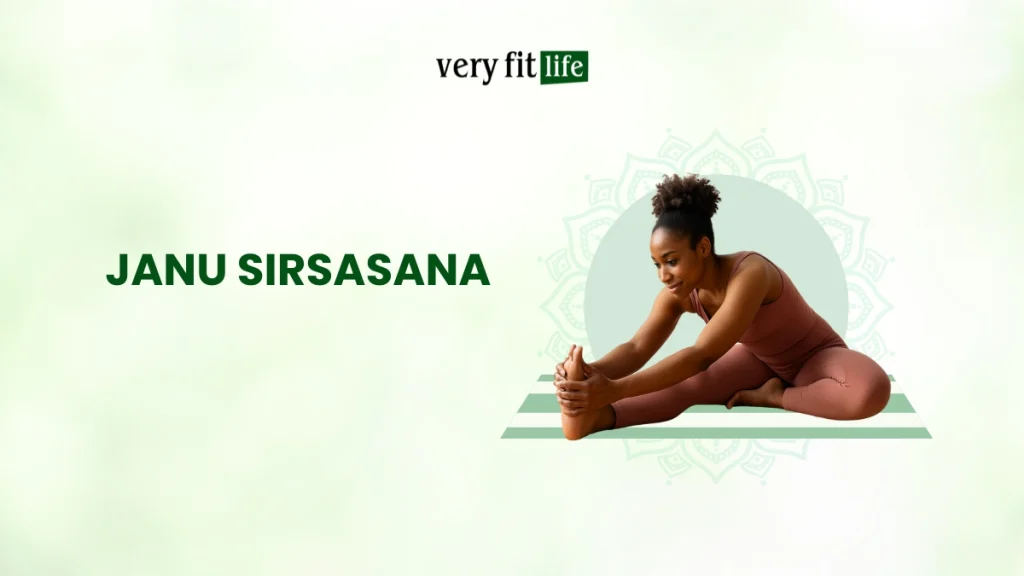
“Janu Sirsasana” comes from Sanskrit.
- Janu means “knee”
- Sirsa means “head”
- Asana means “pose”
Put together, it means “Head to Knee Pose.” In this pose, your head moves toward one bent knee while the other leg is stretched straight out.
It’s a forward-bending pose often done in seated yoga flows. The pose is known for its calming and stretching effects on the body and mind.
Warm-Up Exercises
Before trying Janu Sirsasana, warming up your body is important. Here are a few simple stretches to get your body ready:
- Cat-Cow Pose (Marjaryasana-Bitilasana): Loosens your spine and warms up your back.
- Seated Forward Bend (Paschimottanasana): Gently stretches your hamstrings.
- Butterfly Stretch (Baddha Konasana): Opens your hips and inner thighs.
- Hamstring Stretch: Either lying down or standing, stretch the backs of your legs.
Spending 5–10 minutes warming up helps prevent injury and prepares your muscles to move safely into deeper stretches.
How to Perform Janu Sirsasana
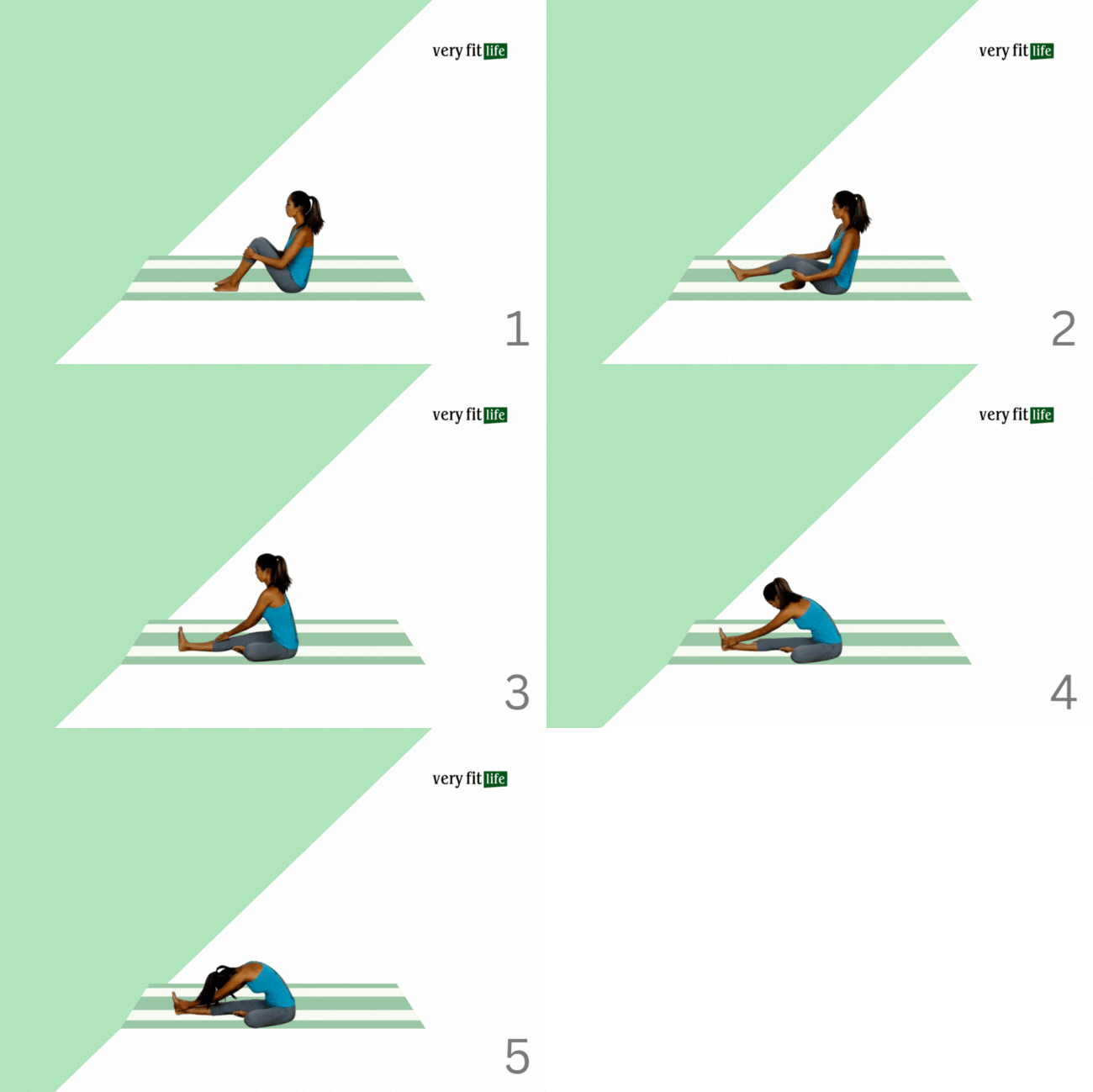
Here’s a step-by-step guide to doing Janu Sirsasana correctly:
Sit on the floor with your legs stretched out in front of you.
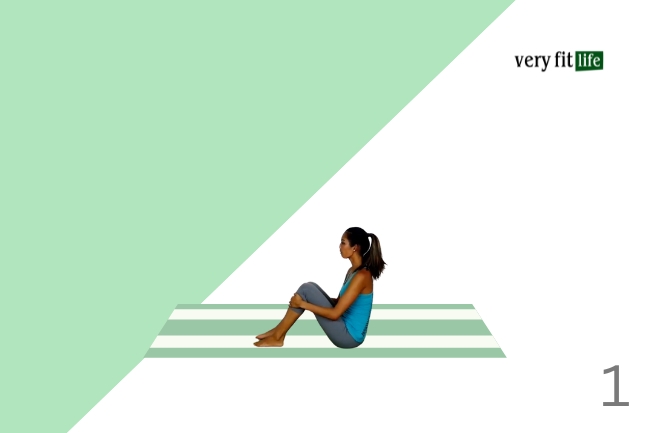
Bend your right knee and place the sole of your right foot on your inner left thigh.
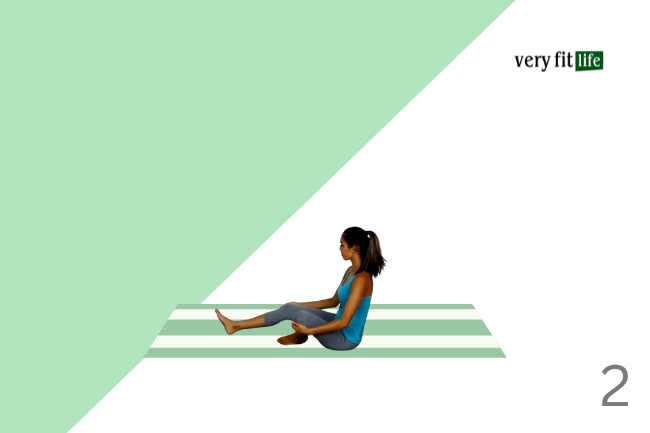
Align your hips so they are facing forward.
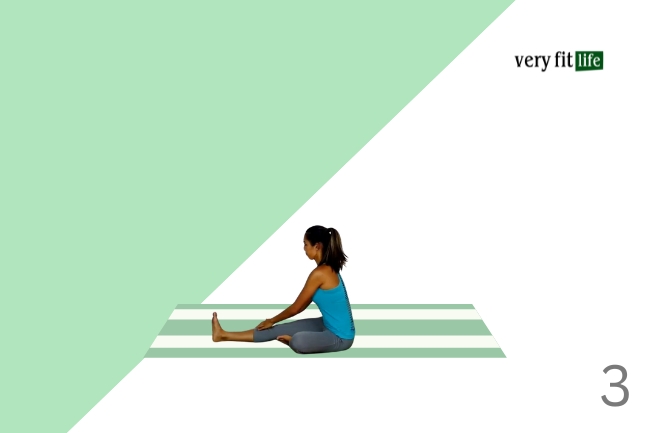
Inhale and raise your arms overhead.
Exhale and bend forward from your hips, not your lower back.
Reach your hands to your left foot, shin, or ankle—wherever they reach comfortably.
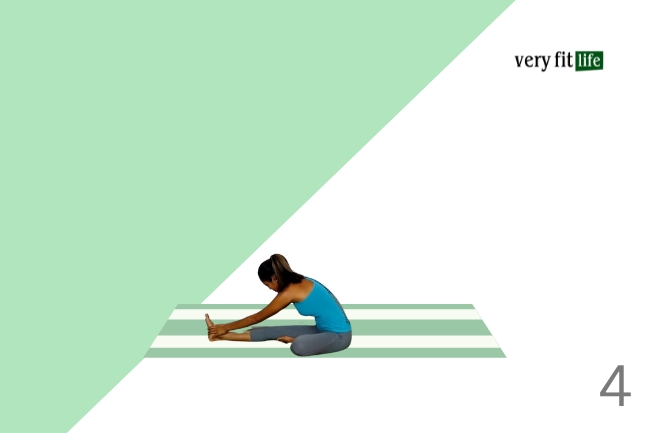
Rest your forehead on your shin or use a yoga block if you can’t reach.
Hold the pose for 30 seconds to 1 minute, breathing deeply.
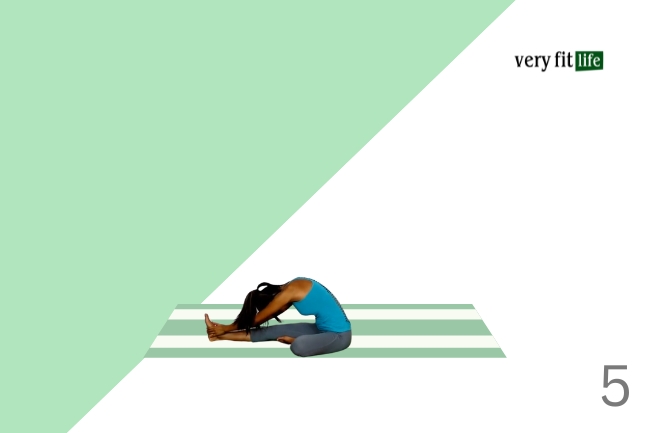
Inhale to rise, then switch sides.
Tip: Keep your back long and avoid rounding your spine too much.
Here’s a video that explains this yoga pose in more detail.
Physical Benefits
Janu Sirsasana stretches many parts of the body and can improve overall flexibility. Here are some physical benefits:
- Stretches the hamstrings: The pose targets the back of the thigh muscles.
- Lengthens the spine: Helps with posture and reduces back tension.
- Massages abdominal organs: Aids in digestion and boosts internal health.
- Opens hips and groin: Gently increases flexibility in tight hip areas.
- Supports lower back health: Relieves stiffness in the lower back.
- Improves blood circulation: Especially in the legs and lower body.
For athletes or people who sit for long hours, this pose can bring balance and ease to stiff muscles.
Mental Benefits
Aside from physical gains, Janu Sirsasana offers calming effects on the mind:
- Reduces stress: The forward bend helps activate the parasympathetic nervous system.
- Improves focus: Deep breathing during the pose brings mental clarity.
- Relieves anxiety: Creates a calming inward focus, quieting anxious thoughts.
- Encourages mindfulness: The slow and gentle movement invites present-moment awareness.
- Improves sleep quality: A peaceful mind can help with better rest.
Many of my students use this pose as part of their evening yoga routine to unwind after a stressful day.
Variations and Modifications
Not everyone can fold deeply in this pose, and that’s okay. Here are some helpful variations:
1. Use a strap:
Wrap a yoga strap around the extended foot and gently pull yourself forward while keeping your spine long.
2. Use a block or cushion:
Place a block under your bent knee for support, or under your forehead for comfort.
3. Half Forward Bend:
Instead of reaching forward, keep your hands on your knee or thigh and just lean slightly.
4. Chair version:
Sit on a chair, place one foot on another chair or block, and bend forward to reach toward it. This is great for those with limited mobility.
Remember, yoga is not about touching your toes. It’s about what you learn on the way down.
Safety Precautions
Janu Sirsasana is gentle, but you still need to be careful:
- Avoid pushing or forcing the stretch. Let your body open gradually.
- Keep your spine long. Rounding the back too much can lead to strain.
- Injured knees or hips? Place a cushion under the bent knee or skip the pose.
- Lower back issues? Use props or keep your back straight to avoid injury.
- Pregnant? Skip deep forward folds or modify with props and space for your belly.
Always listen to your body. If anything feels painful, stop and come out of the pose.
Final Words
Janu Sirsasana, or Head to Knee Forward Bend, is more than just a stretch—it’s a tool for healing and growth.
In my years as a yoga teacher, I’ve seen how this pose gently transforms both body and mind. Whether you’re dealing with stress, muscle tightness, or just want a moment of peace, this pose has something to offer.
Start slow, use props if needed, and make it your own. With regular practice, you’ll notice how much lighter, calmer, and more flexible you feel.
Remember, yoga isn’t about being perfect. It’s about showing up for yourself—one breath at a time.
Sources:
Yoga Journal. (2025, March 23). Head-to-Knee pose.
Umel, A. U. (2024, May 24). How to do Head-to-Knee Pose (Janu Sirsasana). Liforme.
Wiese, C. (2022, December 21). How to do Janu Sirsasana a. Yoganatomy.